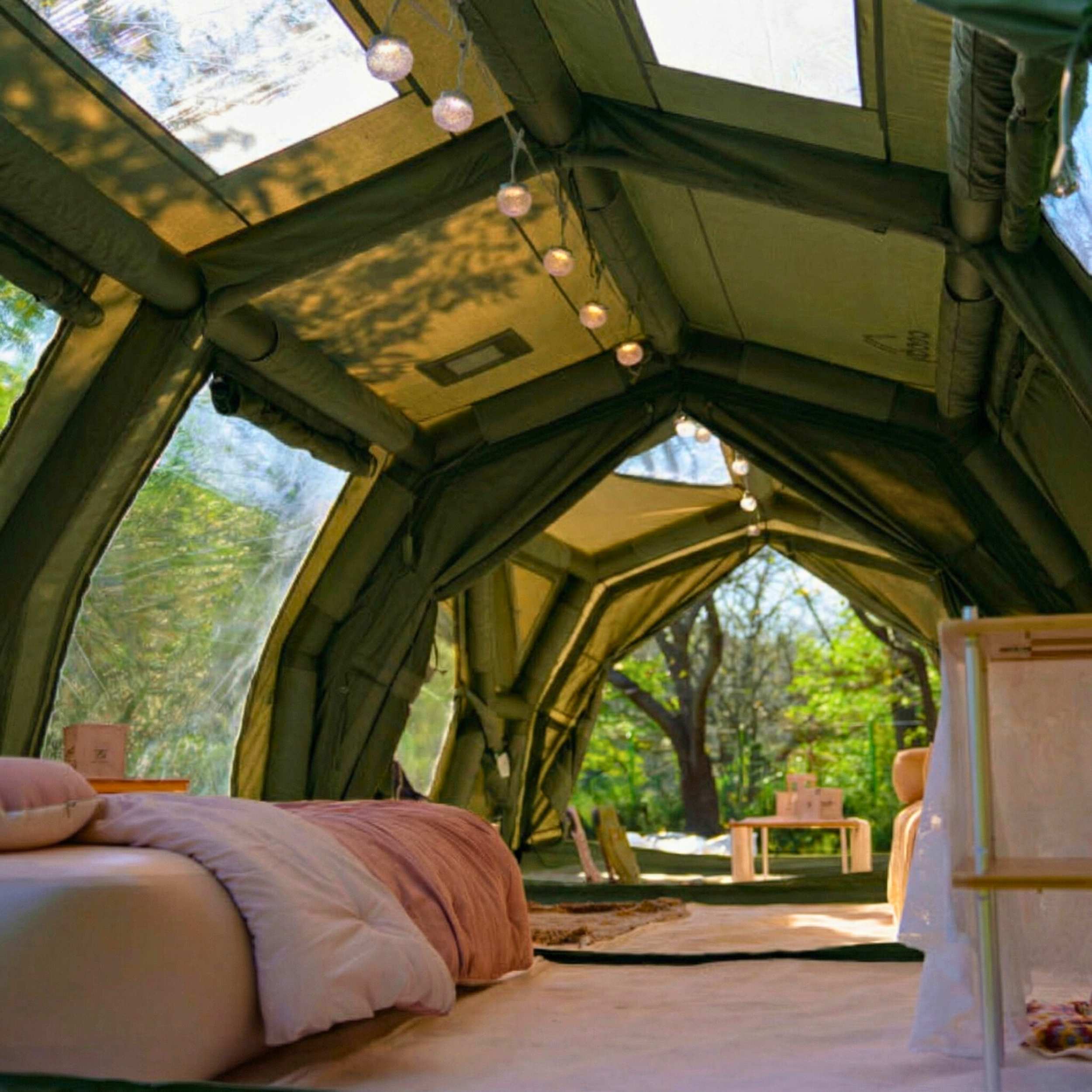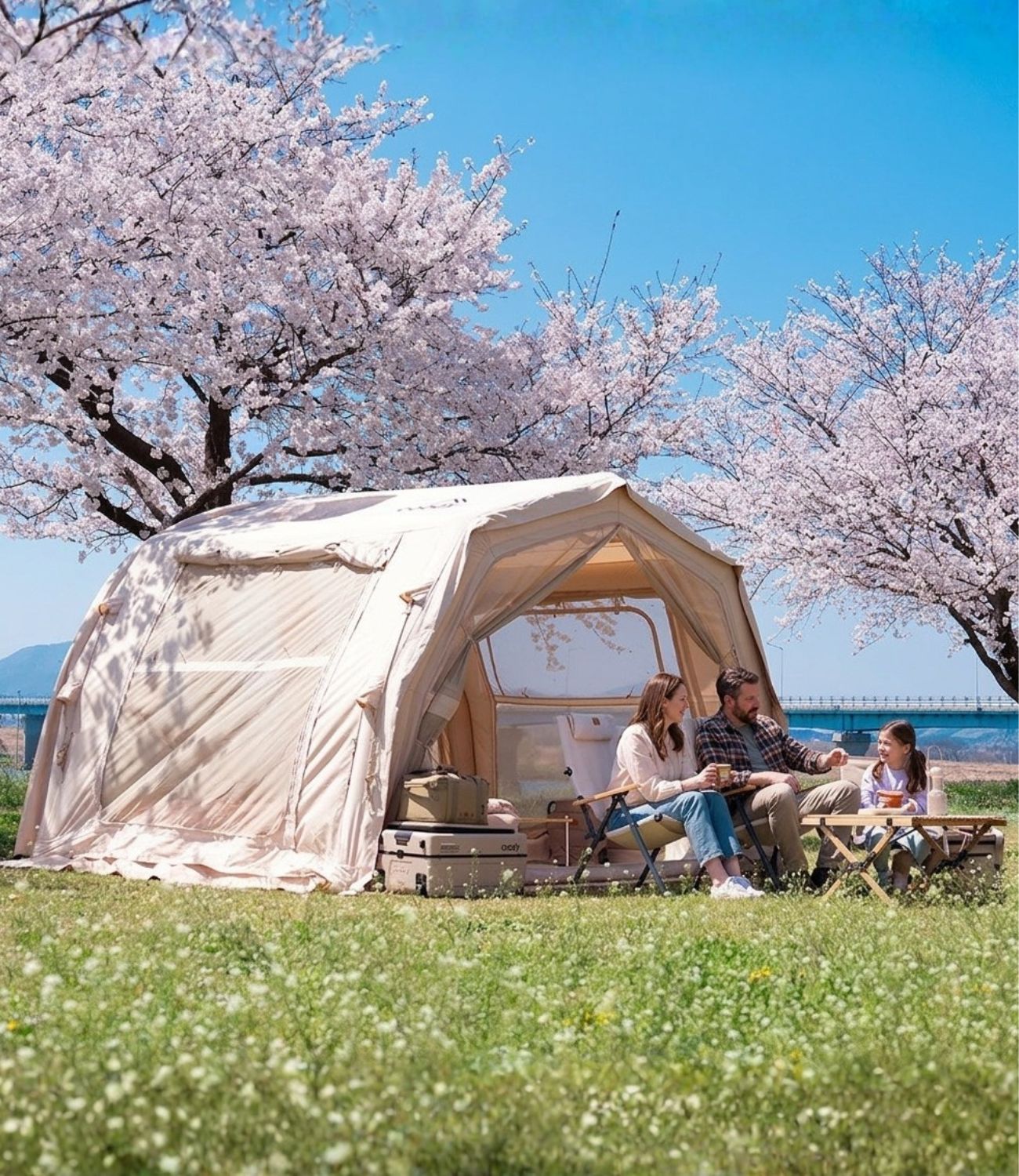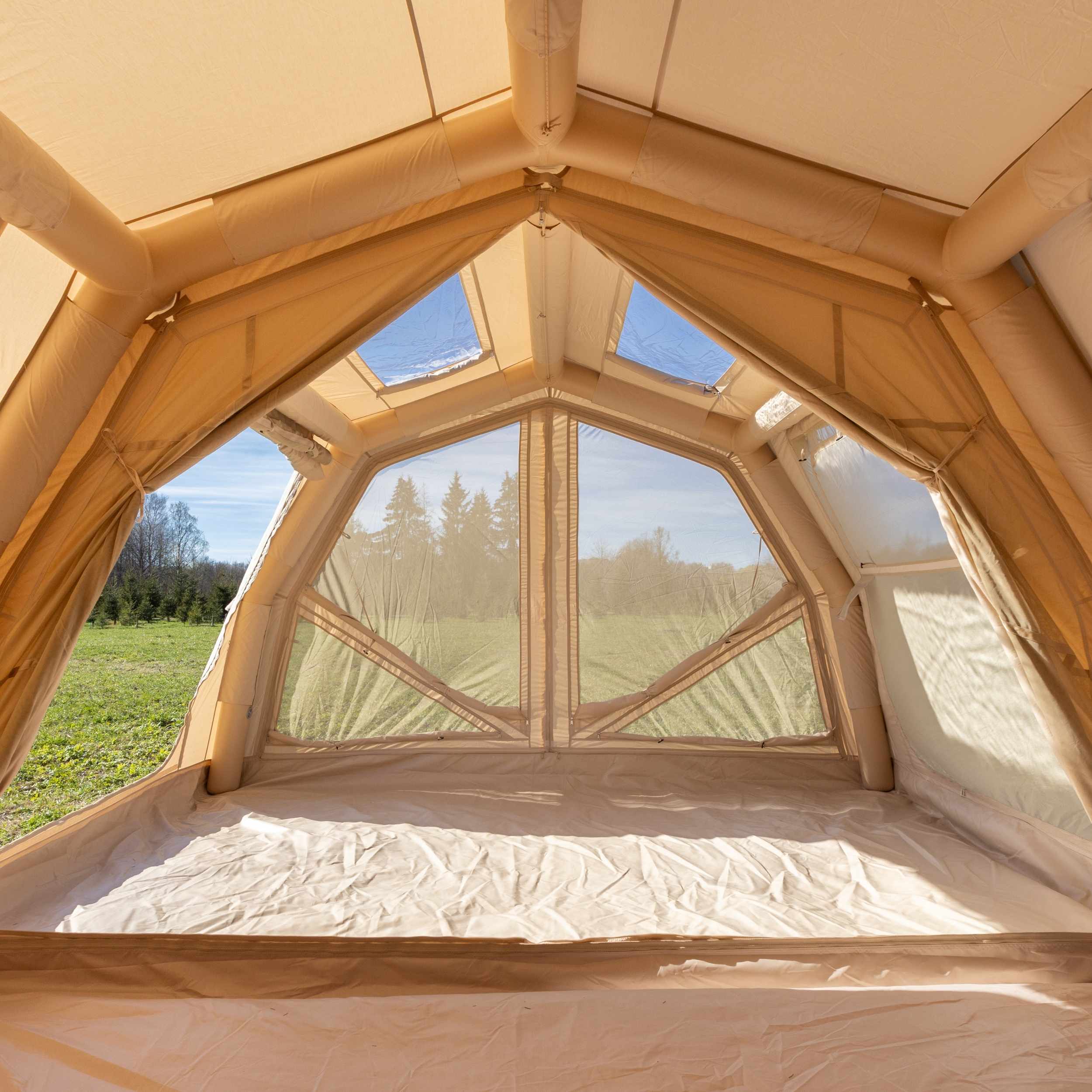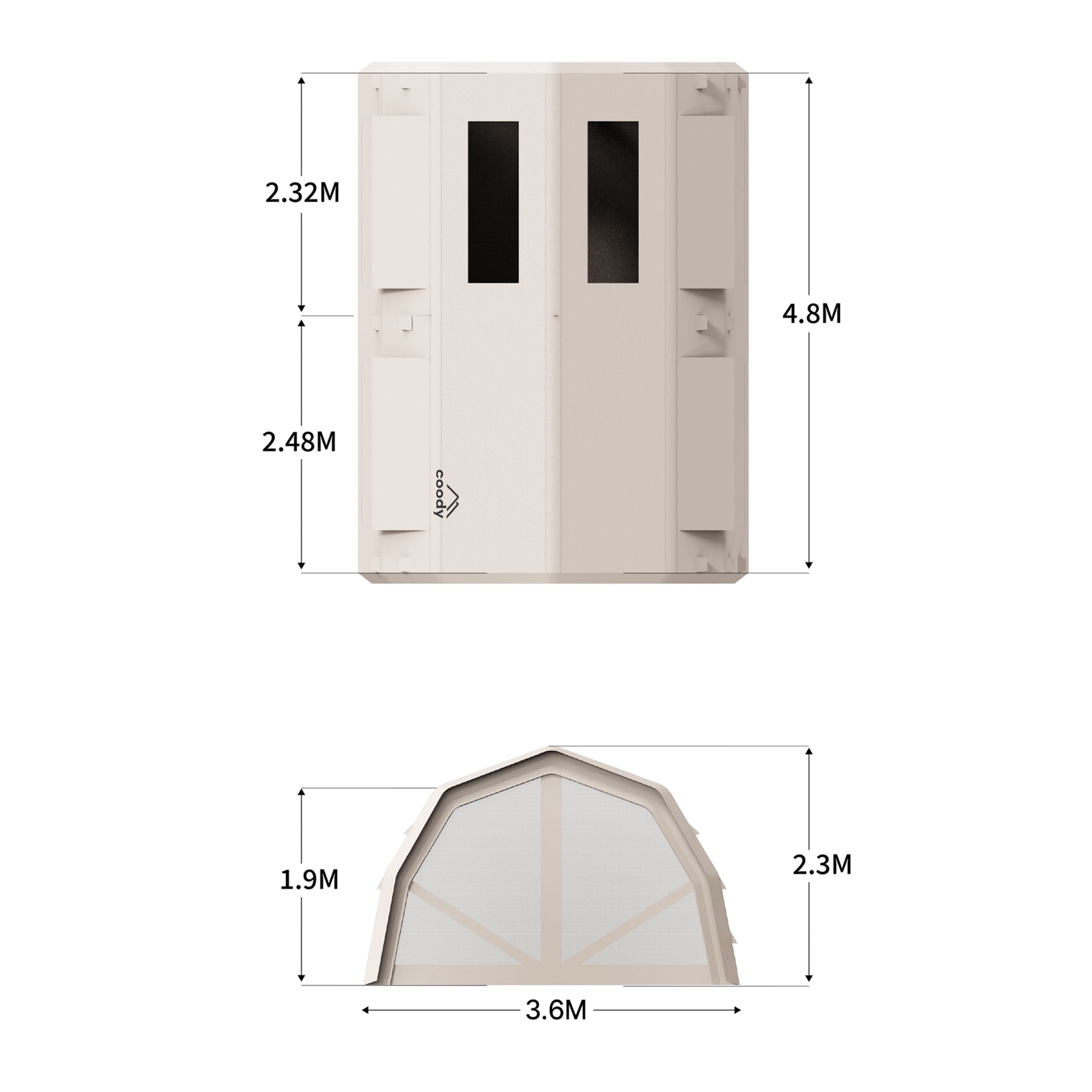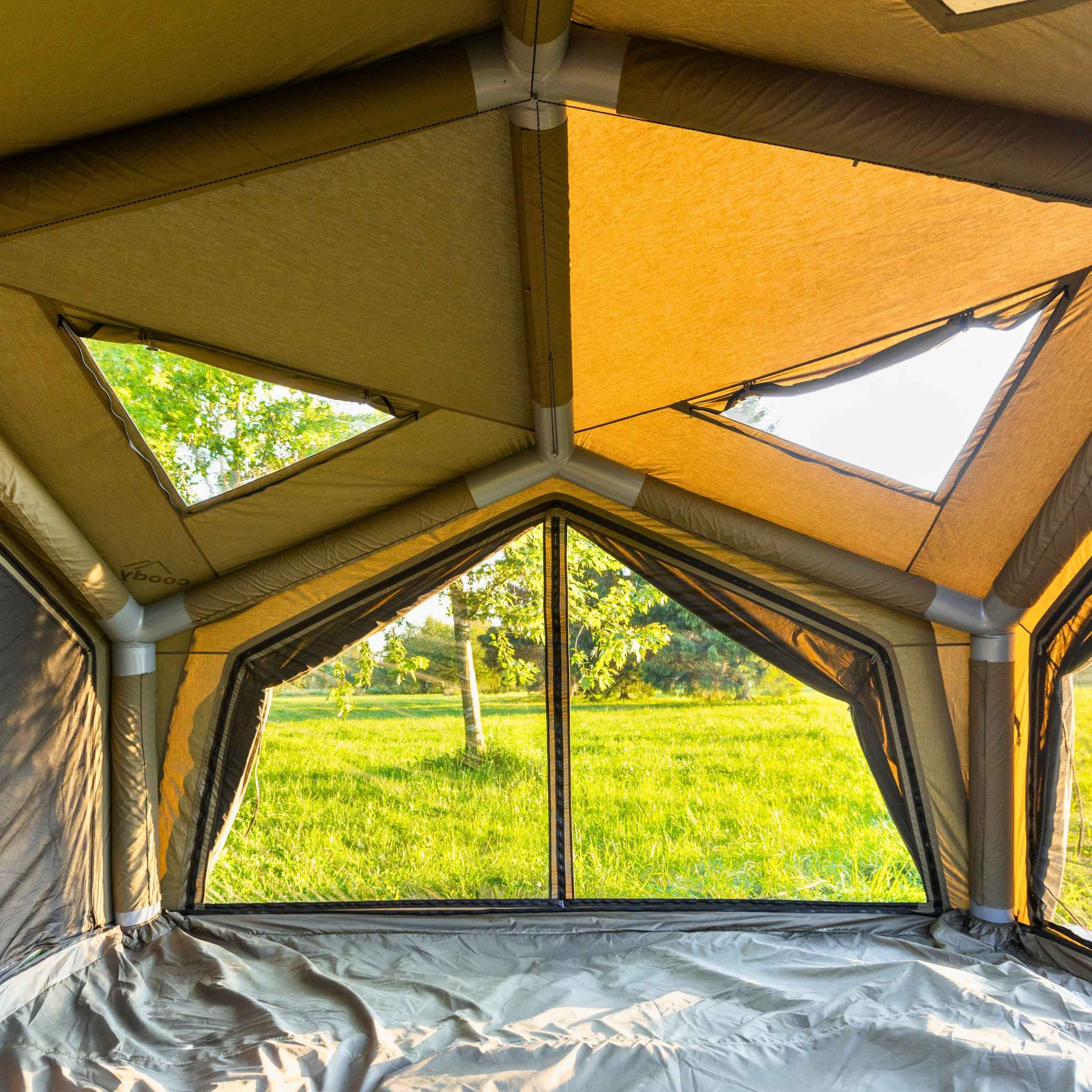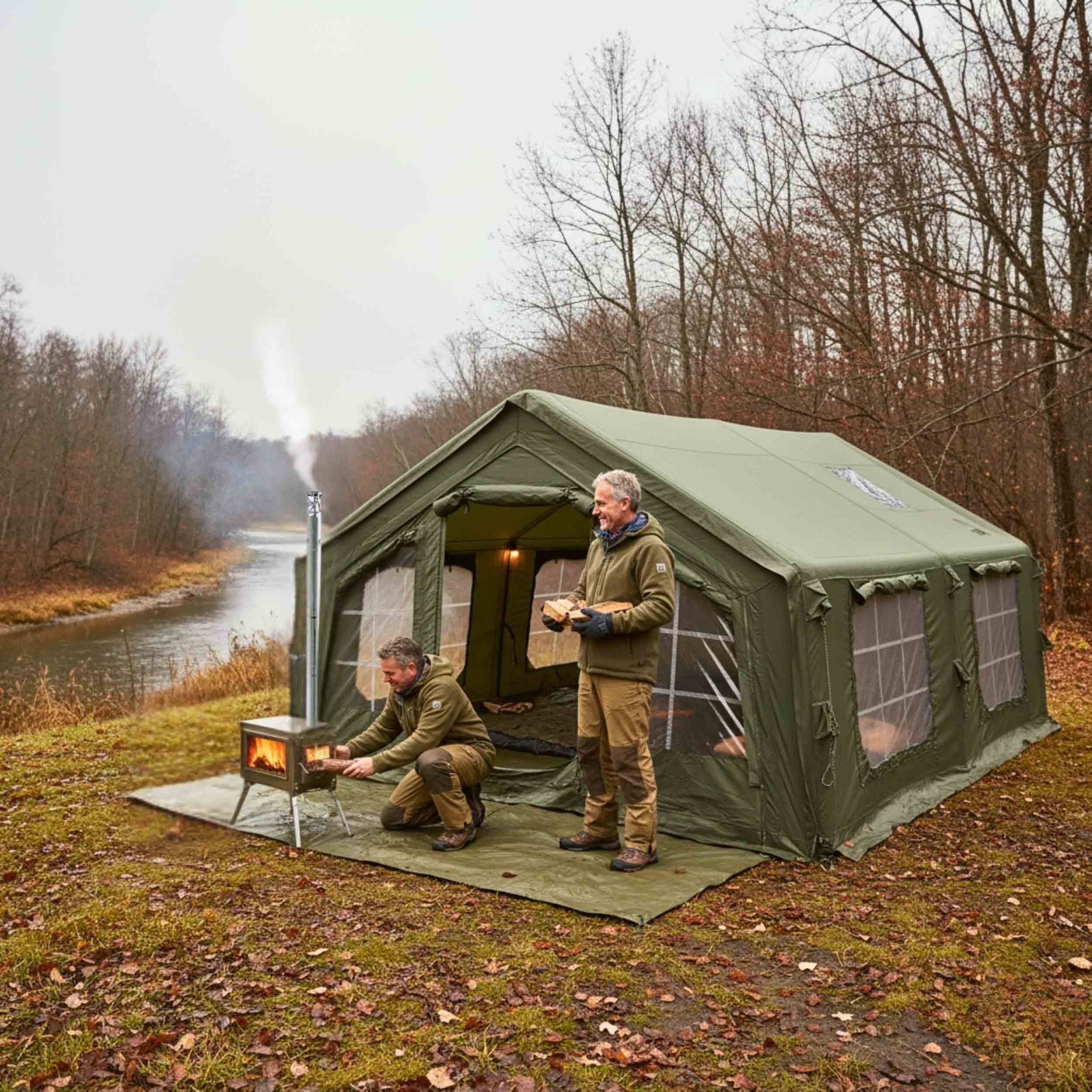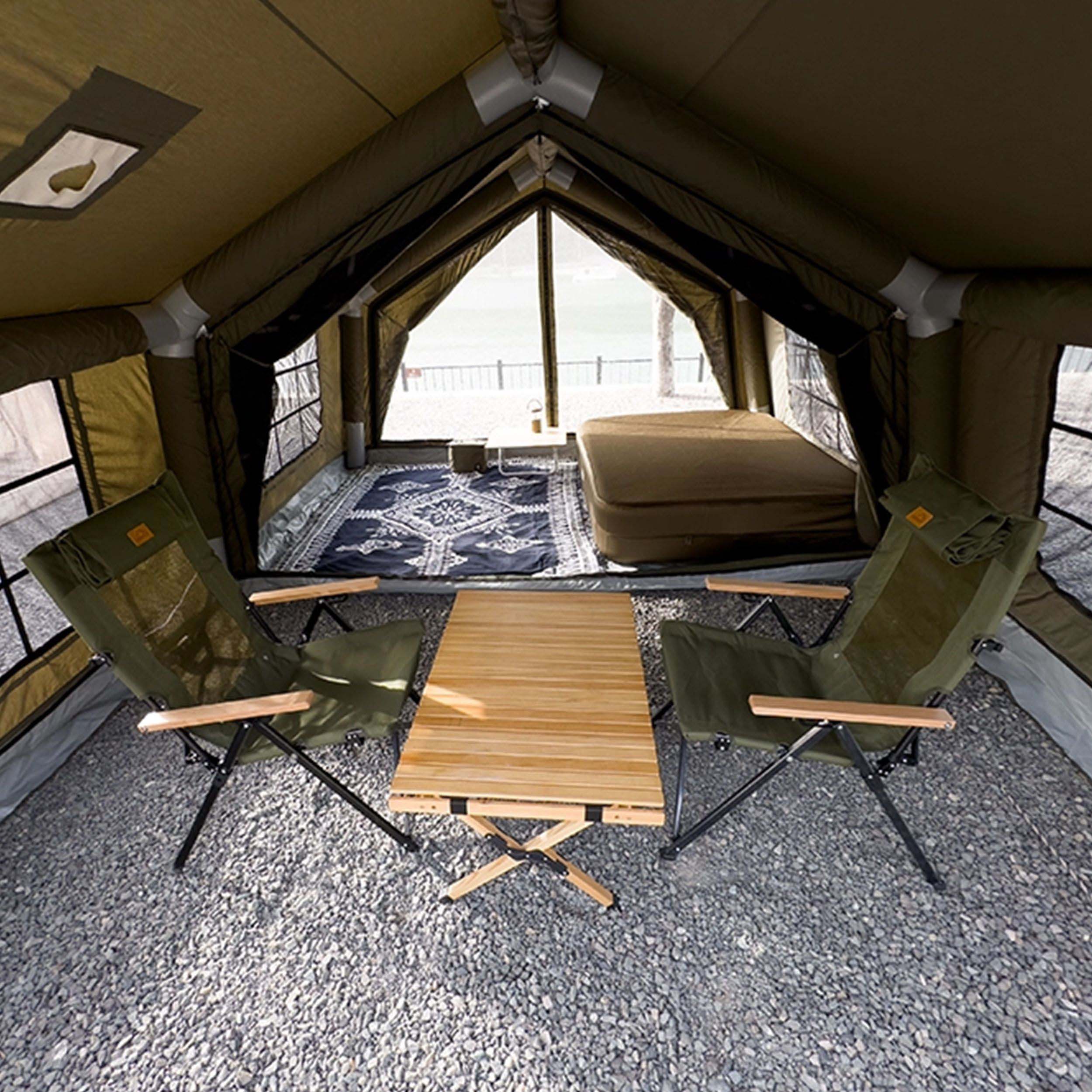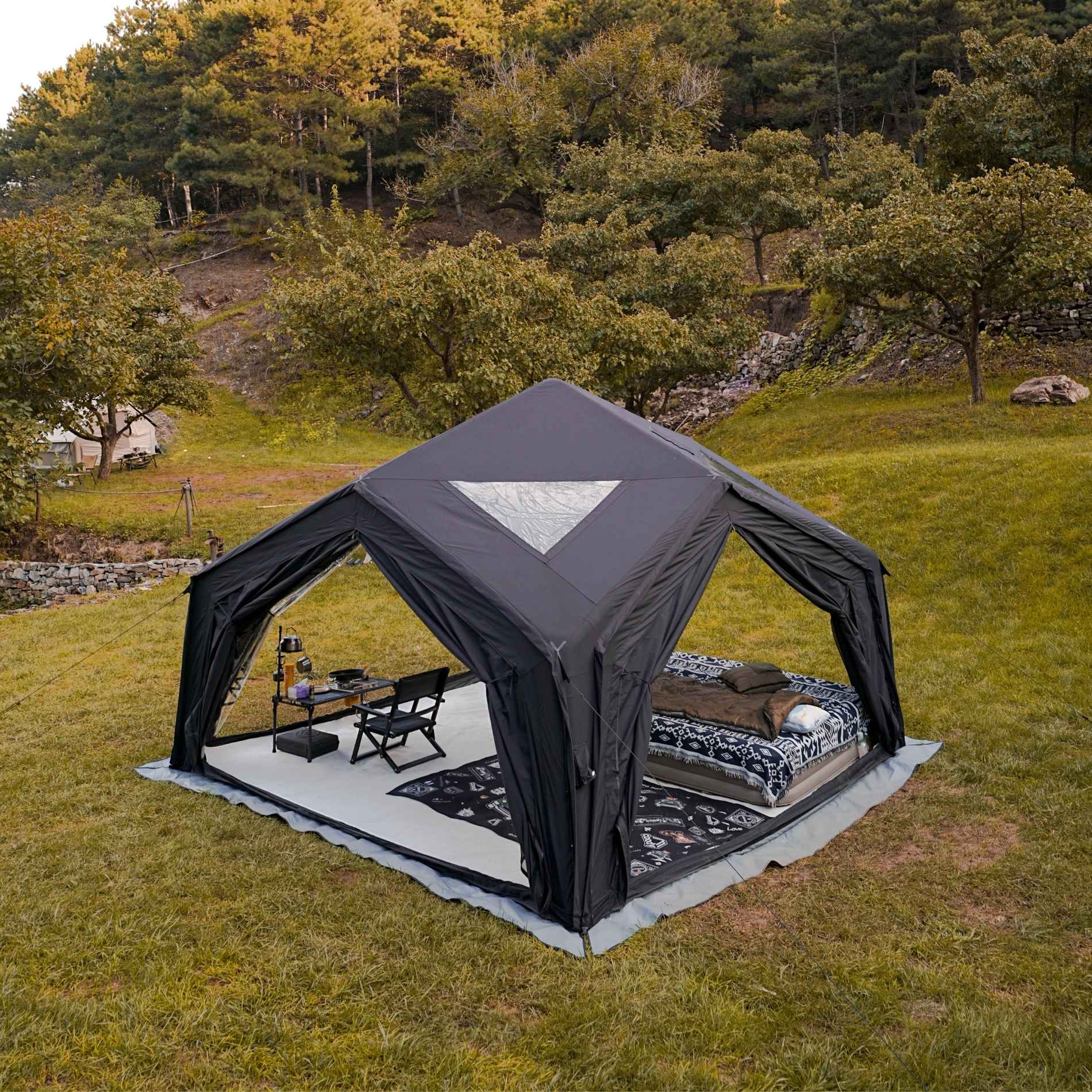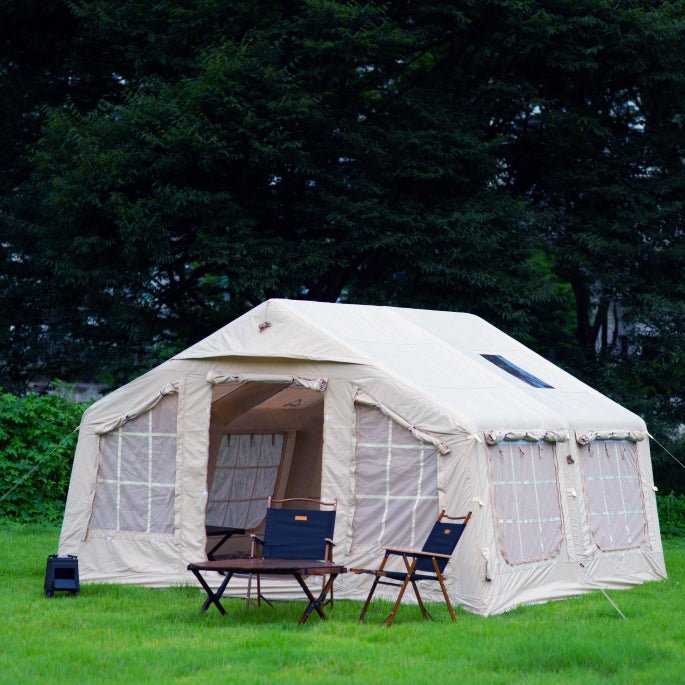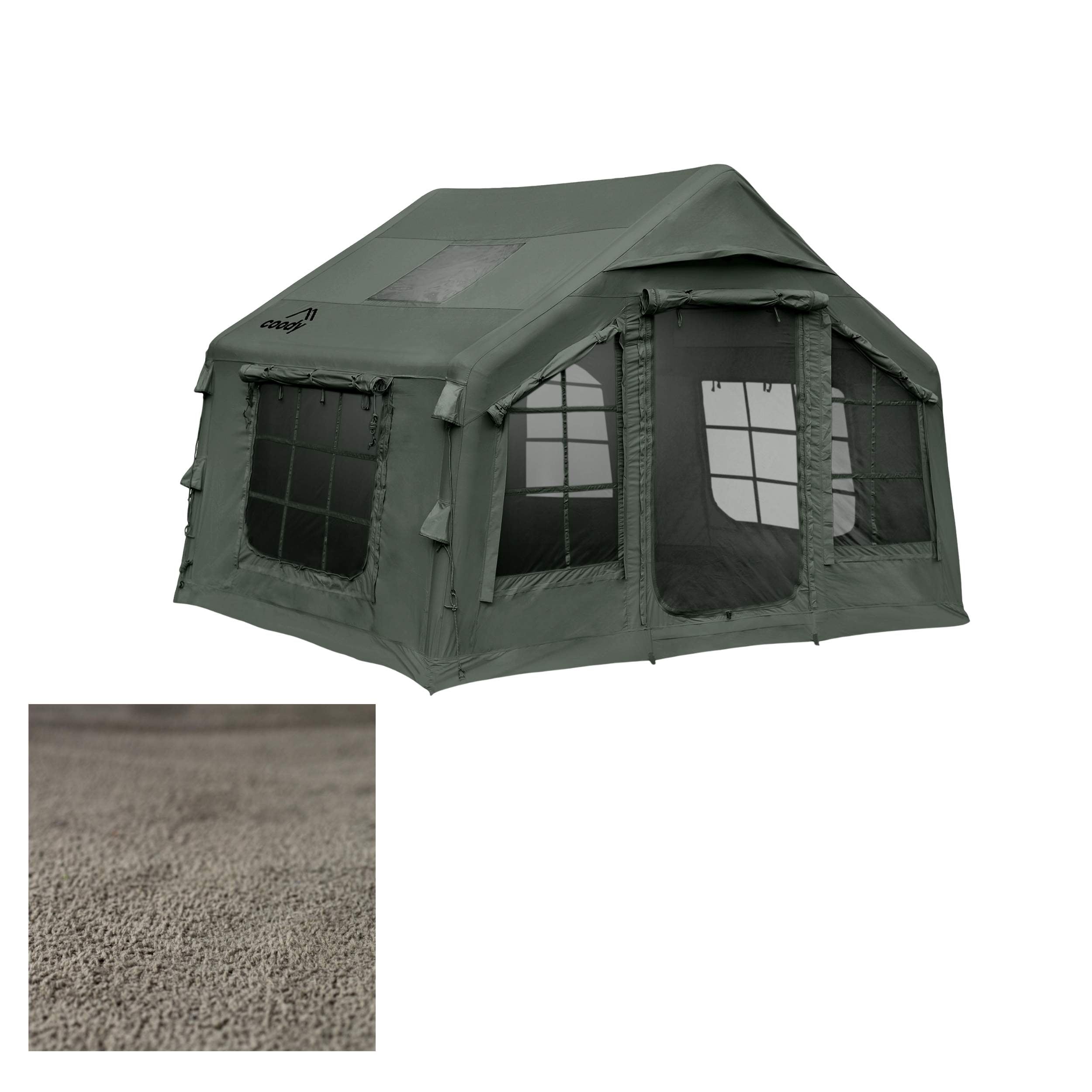

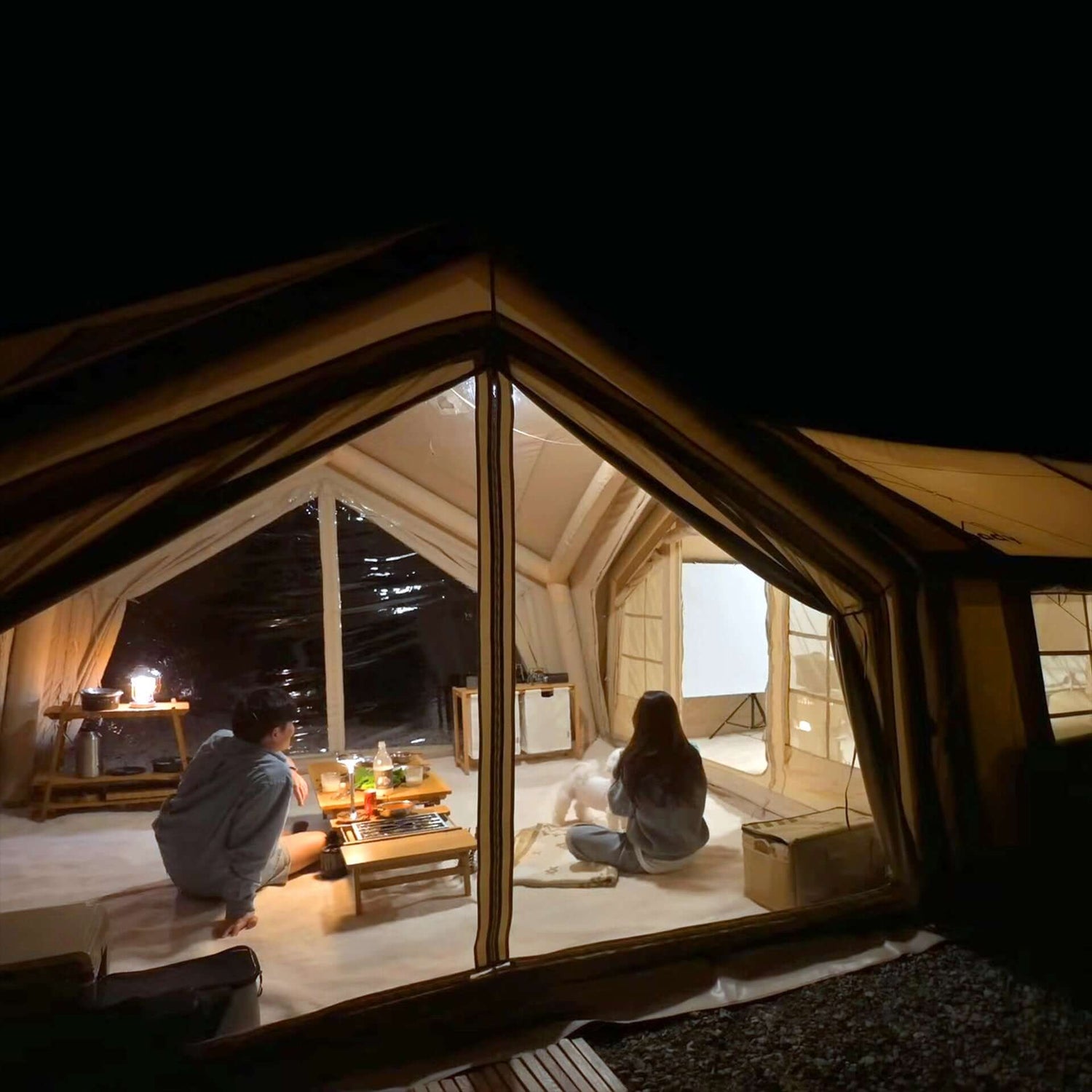
TL;DR: Cómo encontrar tu carpa inflable perfecta
¿Listo para dejar atrás la frustración de las varillas tradicionales de las carpas? Aquí te explicamos cómo elegir y cuidar una Air Tent que convierta tu campamento en un hogar al aire libre sin estrés:
- La ventaja de las Air Tent: Cambia las frágiles varillas de fibra de vidrio por resistentes cámaras de aire. Obtienes una instalación ultrarrápida que reserva tu tiempo y energía para relajarte de verdad.
- Adáptala a tu estilo de camping: Elige el tamaño según tus hábitos. Elige una grande (como la Coody 17.2 o 13.6) para campamentos base familiares tranquilos y cómodos, o mantén un formato compacto (como la Coody 8) para viajes espontáneos por carretera.
- Busca los detalles: No te fijes solo en la capacidad. Da prioridad a la altura suficiente para estar de pie, las zonas separadas para dormir y vivir, las costuras completamente selladas para protegerte del clima y las cámaras de aire internas reemplazables.
- Haz que dure: Protege tu inversión inflando hasta alcanzar la presión correcta (¡no tan duro como sea posible!). Seca siempre la tela por completo antes de guardarla y empácala sin apretarla en su bolsa para evitar desgastar el material.
Una carpa inflable para camping es más que un equipo. Es una habitación sin paredes, un espacio donde despiertas más despacio, respiras más profundamente y notas detalles que normalmente pasas por alto. La carpa inflable adecuada no solo te mantiene seco durante la noche; también define discretamente cómo se siente todo tu viaje, desde la primera cremallera que abres por la mañana hasta la última historia que cuentas antes de dormir.
Hoy, las carpas de aire y otras opciones de carpas inflables para camping se están convirtiendo en una alternativa real a las carpas clásicas con varillas. Obtienes una carpa de instalación rápida que no requiere mucha fuerza ni paciencia después de un largo viaje en auto. En lugar de luchar con un montón de varillas, conectas una bomba, ves cómo se elevan las cámaras de aire y, en pocos minutos, tu refugio está listo. Ese sencillo cambio significa más tiempo para un desayuno tranquilo, una caminata al atardecer o simplemente no hacer nada.
Cuando eliges una carpa inflable, no solo comparas tamaños, telas y precios. Estás eligiendo cómo quieres vivir en los exteriores: con tranquilidad y conexión con el entorno, con flexibilidad y siempre en movimiento, enfocado en la comodidad o en la practicidad absoluta. Las siguientes secciones te ayudarán a entender qué tipo de Air Tent se adapta a la forma en que realmente te gusta acampar, para que tu próxima instalación se sienta menos como un compromiso y más como un pequeño hogar que llevas contigo.
Tabla de contenidos
- Por qué vale la pena considerar las carpas inflables para camping
- Conoce la línea de carpas inflables de Coody
- Define tu estilo de camping antes de elegir una carpa
- Campistas que disfrutan la vida tranquila
- Viajeros espontáneos
- Minimalistas y pragmáticos
- Creadores de recuerdos y campistas familiares
- Características clave que debes buscar en una carpa inflable para camping
- Cómo usar y cuidar tu carpa de aire para que dure más
- Convierte tu próximo viaje en un lugar que se sienta como tu hogar
Por qué vale la pena considerar las carpas inflables para camping
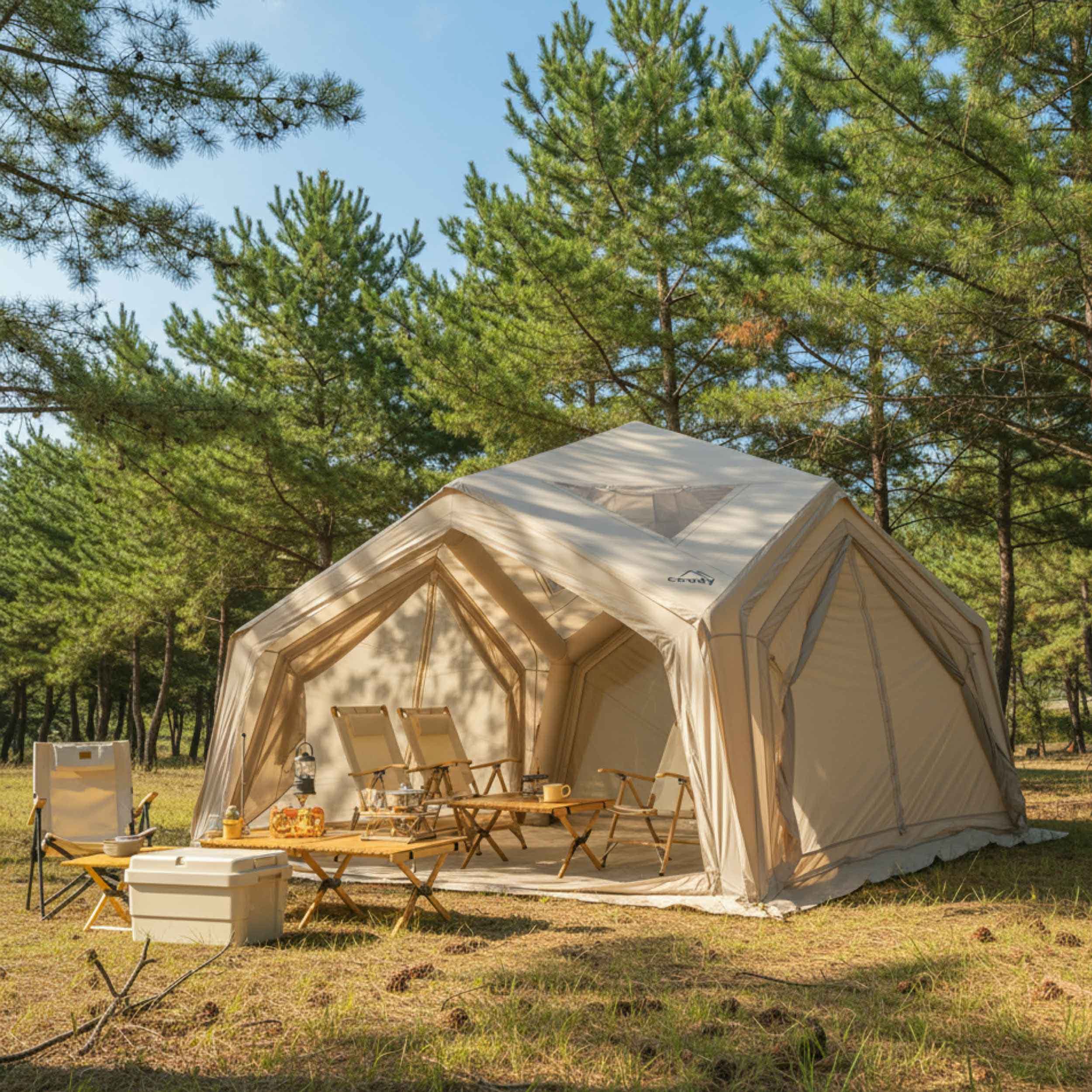
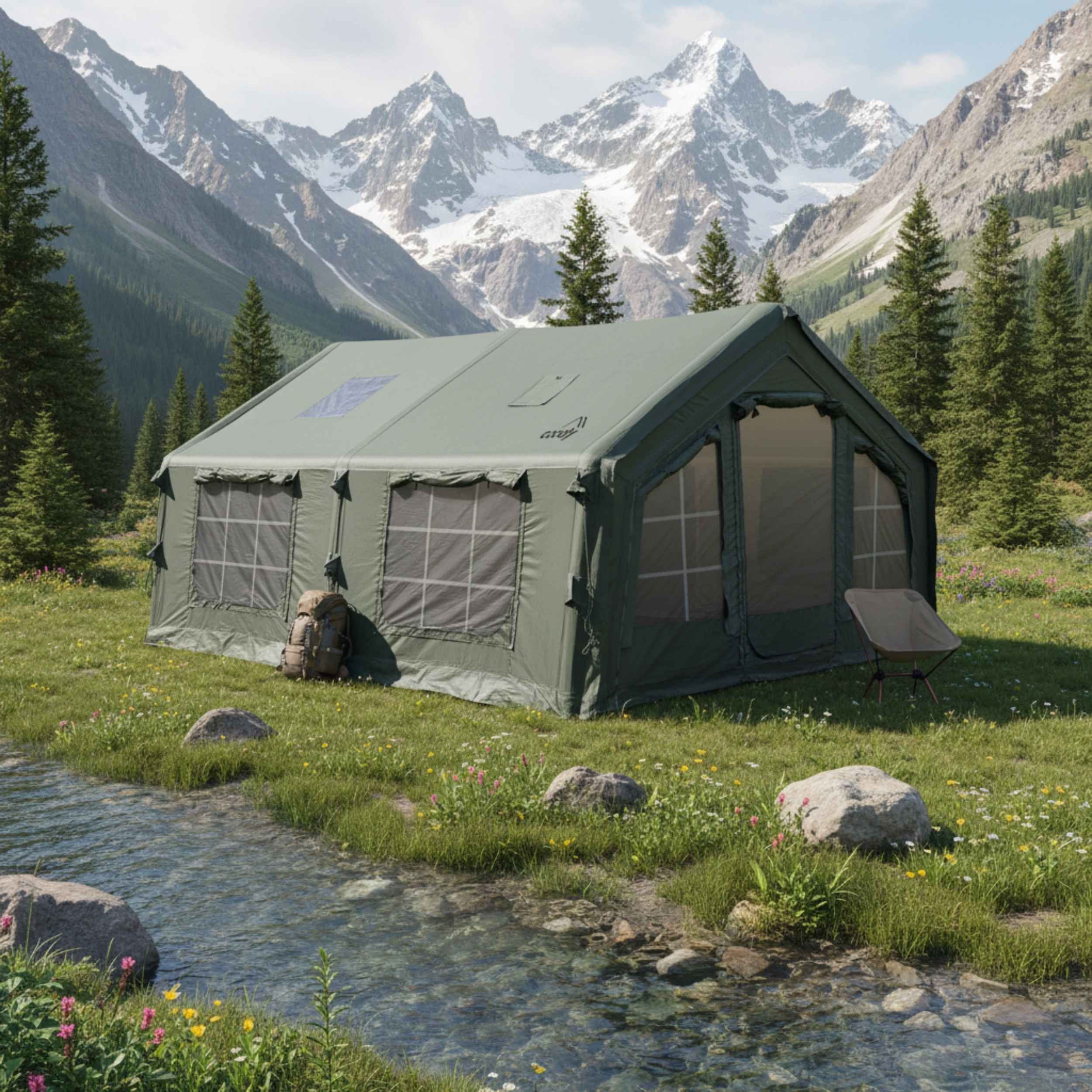
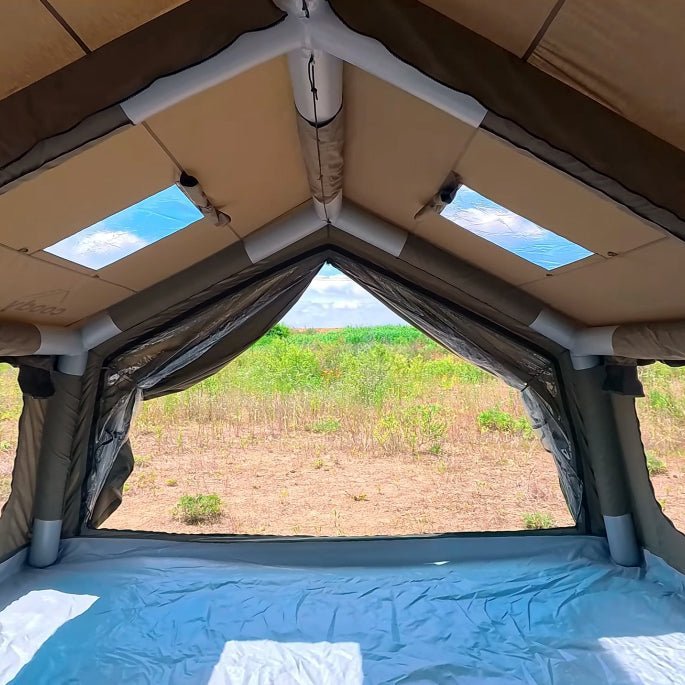
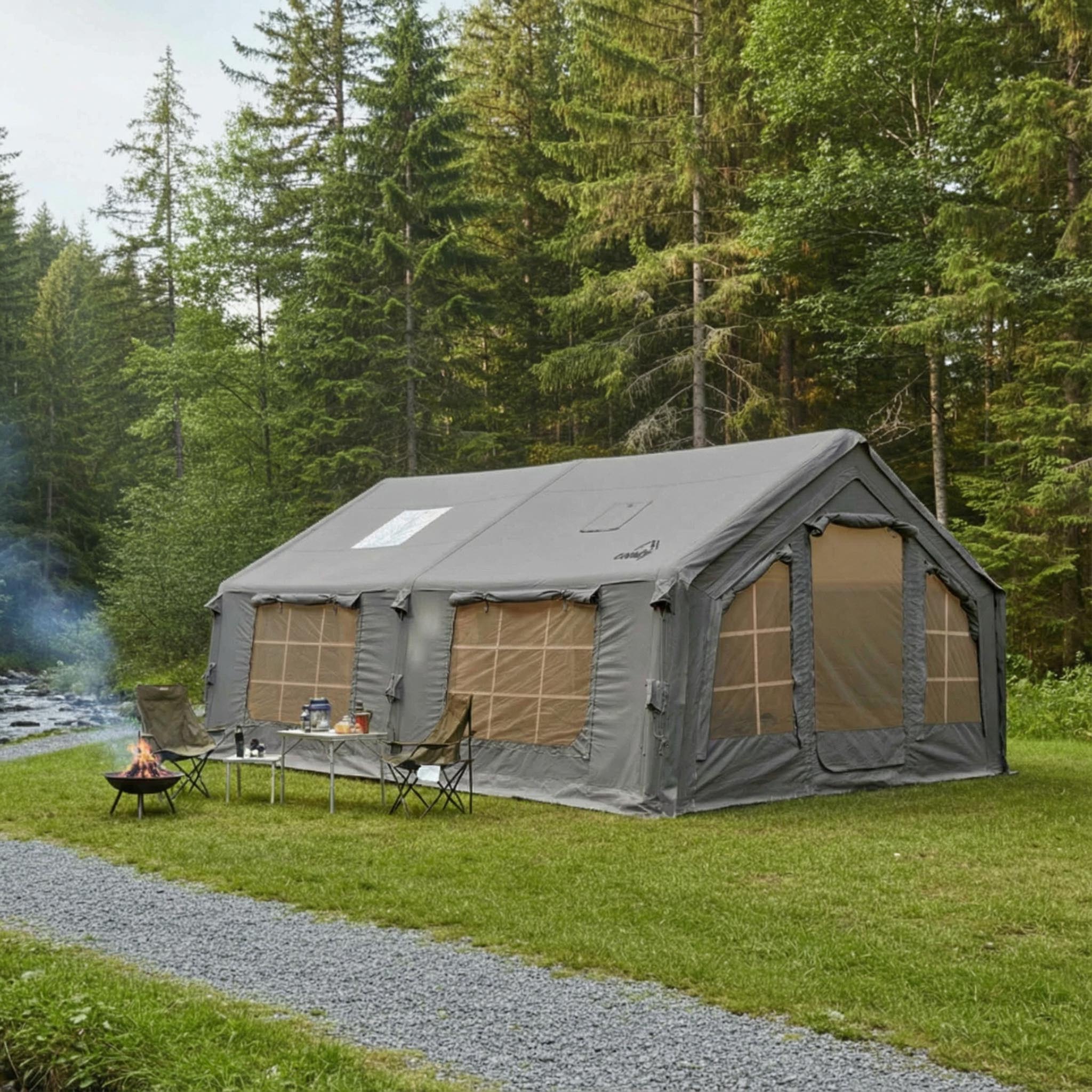
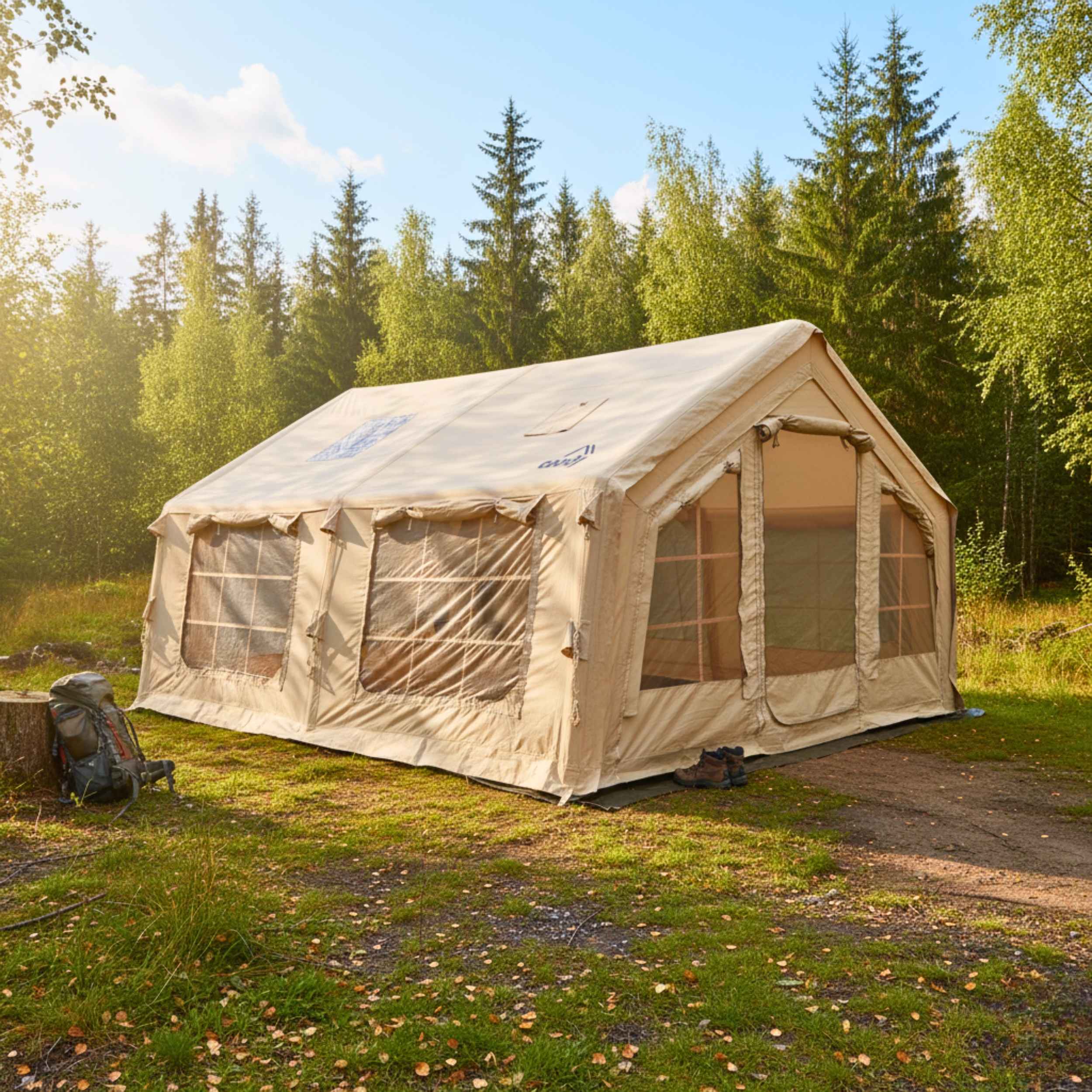
Durante mucho tiempo, la mayoría de los campistas solo tuvo una opción predeterminada: una carpa clásica con varillas que requiere tiempo, concentración y un poco de paciencia para instalarse. Las carpas inflables para camping cambiaron eso. Una carpa de aire reemplaza las varillas de metal o fibra de vidrio por varillas de aire, de modo que la estructura se crea mediante presión, no con un conjunto de piezas frágiles. En la práctica, esto significa menos piezas que perder, menos cosas que romper y una instalación que se siente más como desplegar un espacio que como construirlo.
Después de un largo trayecto, una carpa de instalación rápida puede marcar la diferencia entre llegar cansado y llegar con energía. En lugar de ordenar varillas en la oscuridad o bajo la lluvia, conectas una bomba, observas cómo se elevan las varillas de aire y aseguras las esquinas. Un sistema de instalación rápida como este es especialmente útil para el camping familiar, cuando necesitas tener listo el refugio antes de que alguien tenga frío, hambre o se impaciente. Convierte la primera hora en el campamento, que podría ser una pequeña prueba de resistencia, en el comienzo de un ritmo de camping más relajado y sin complicaciones.
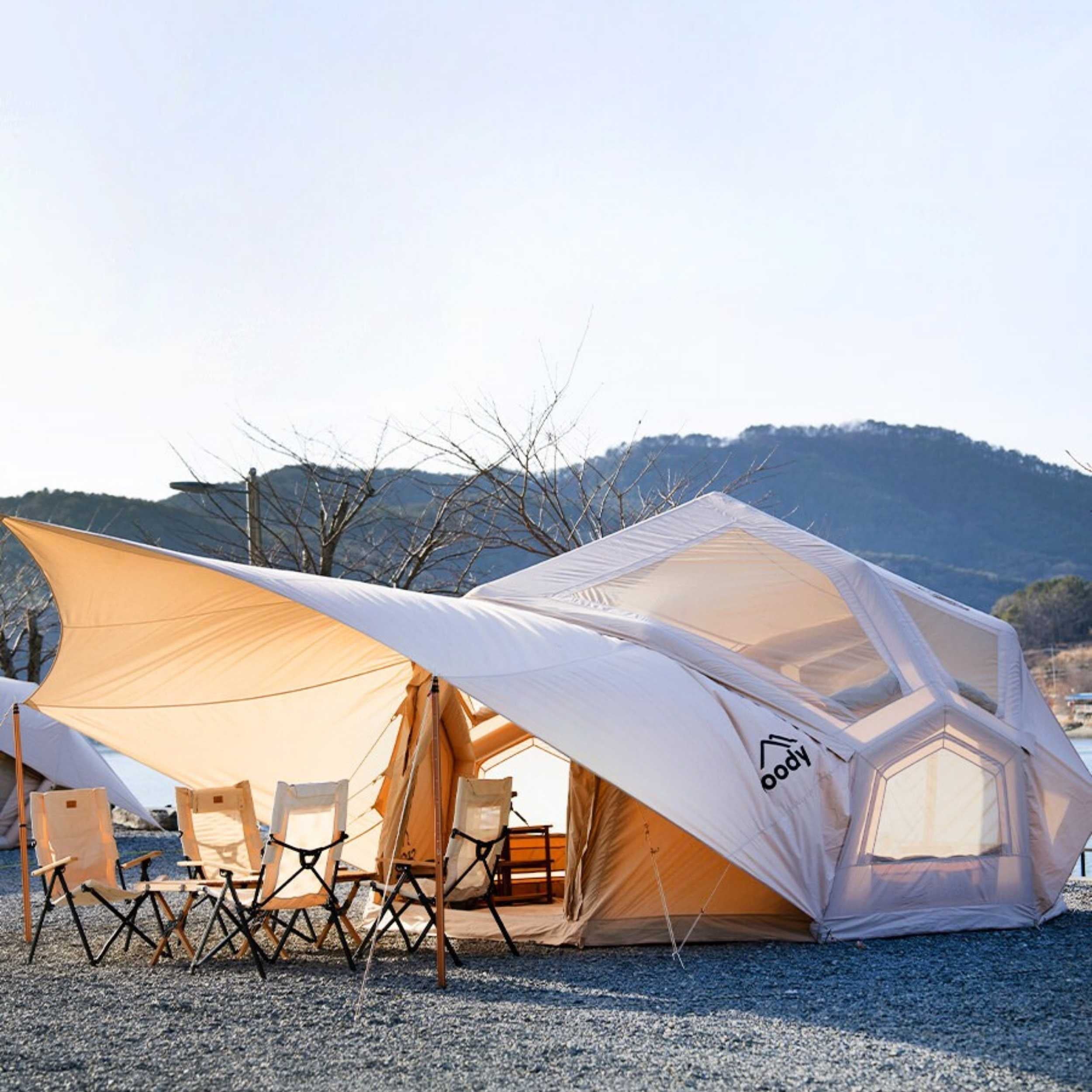
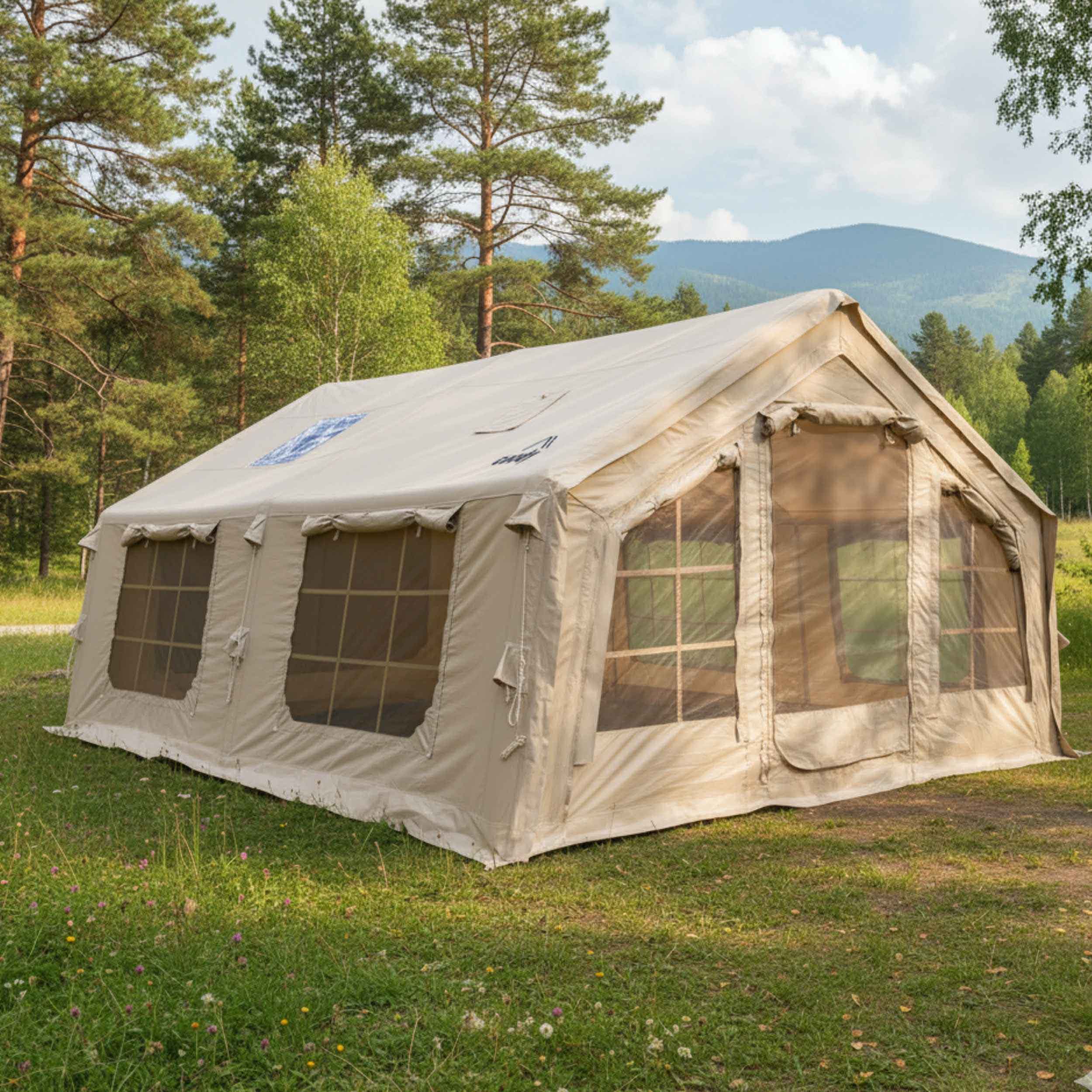
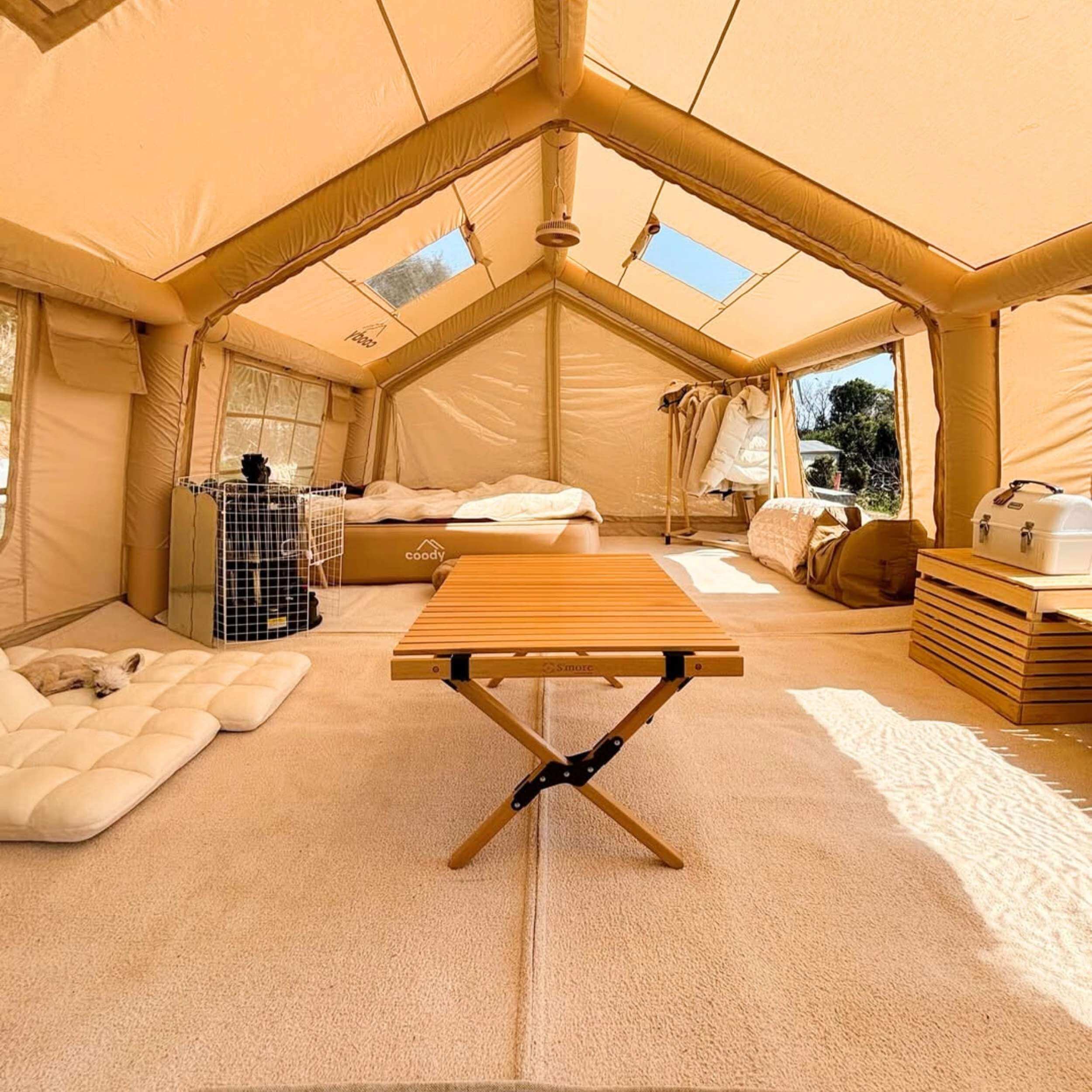
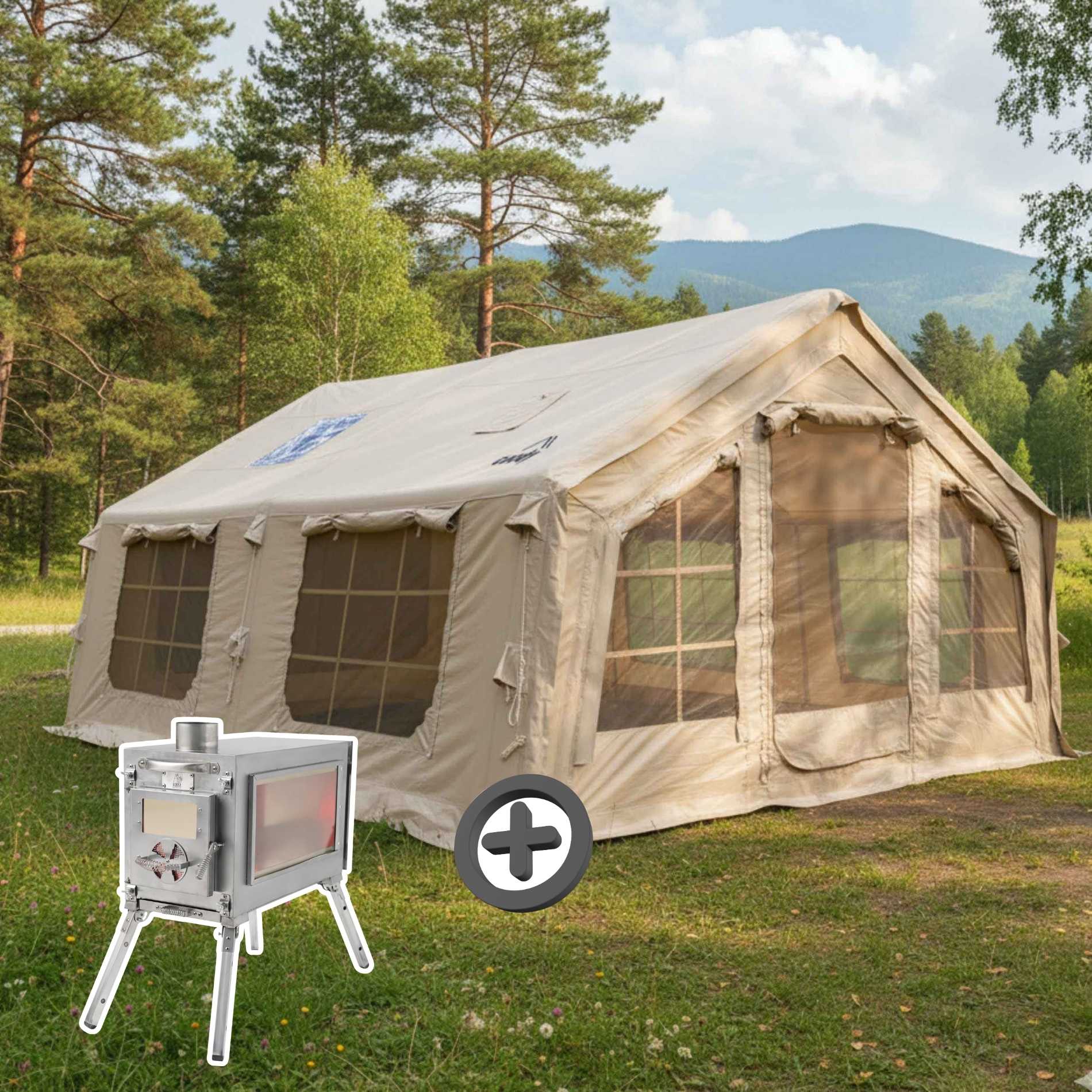
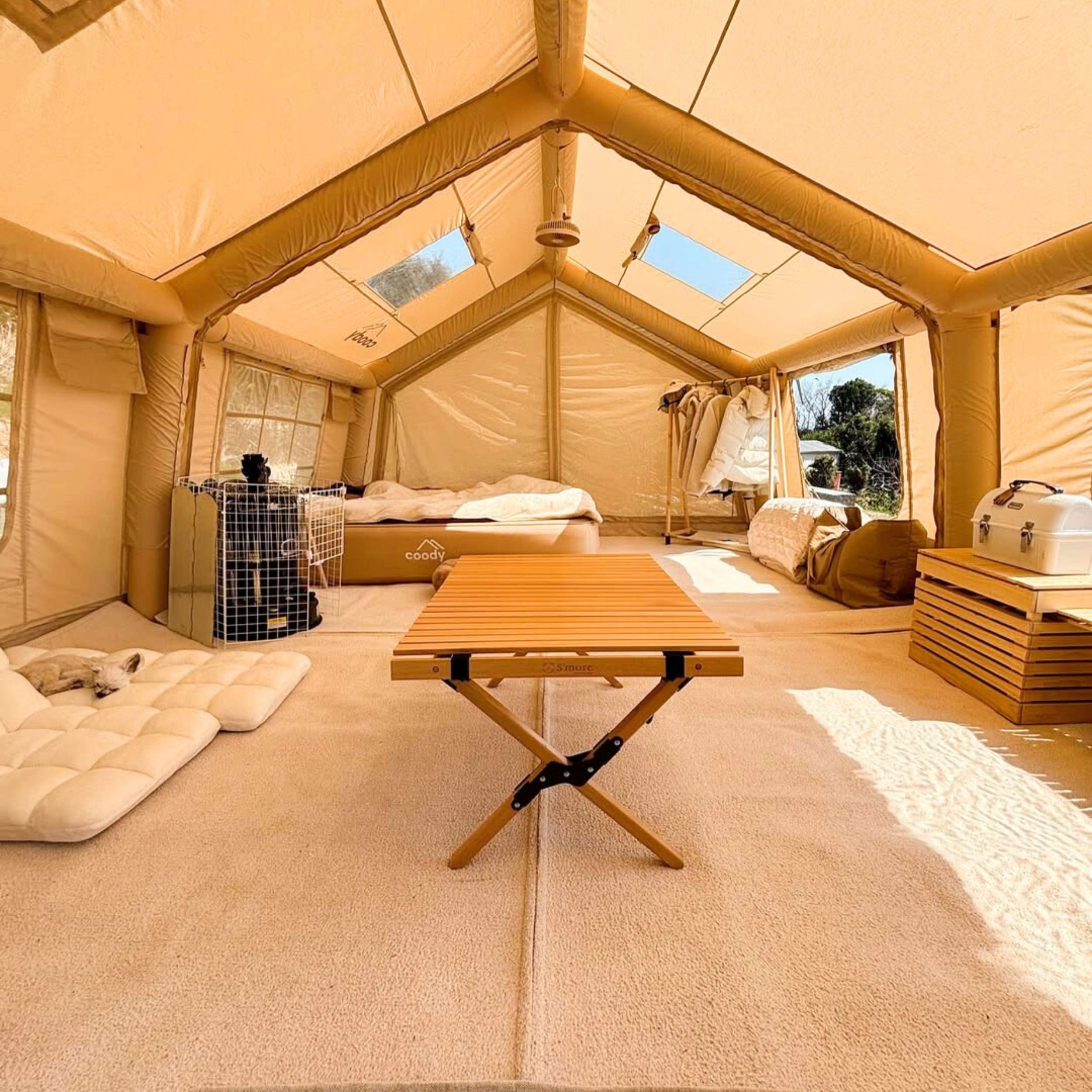
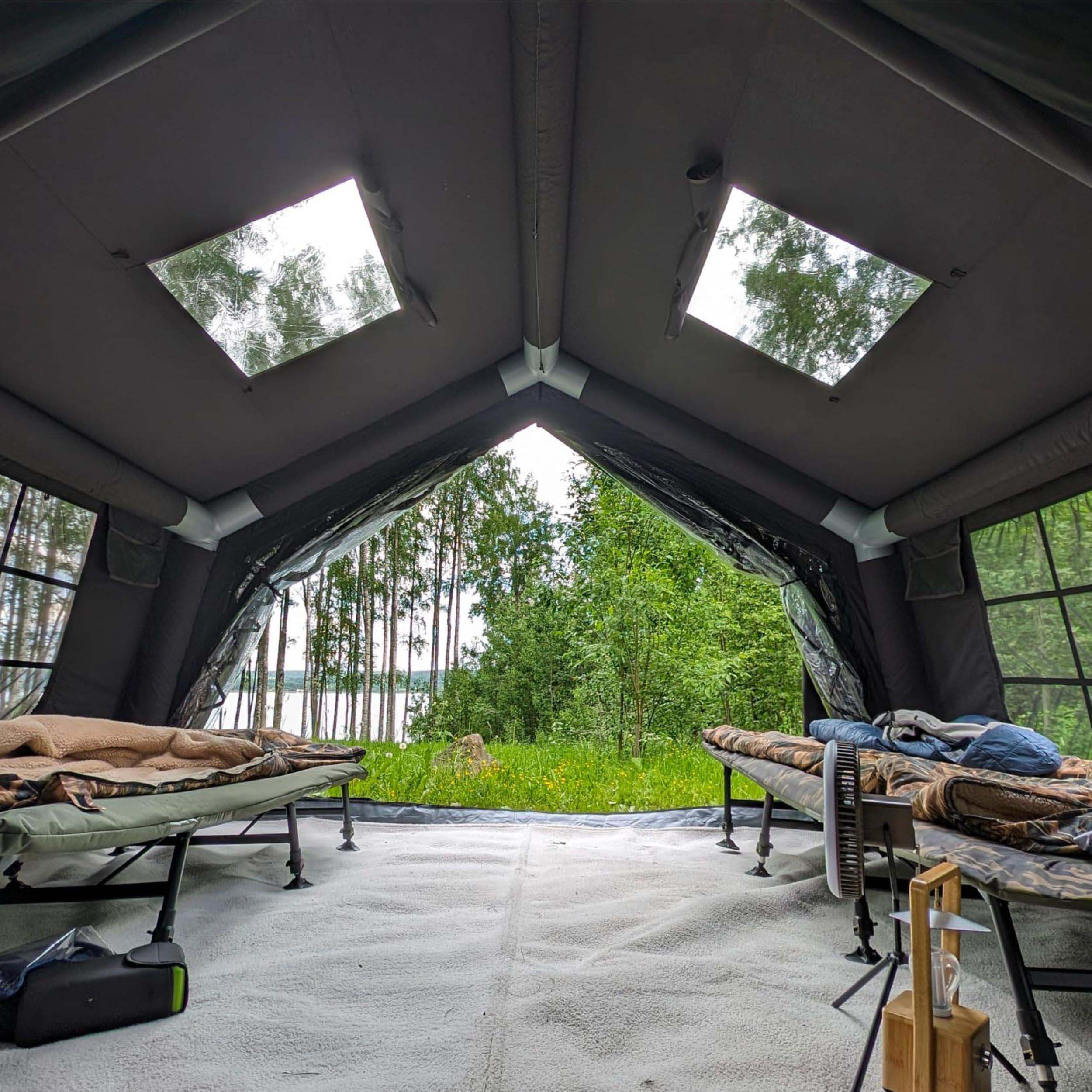
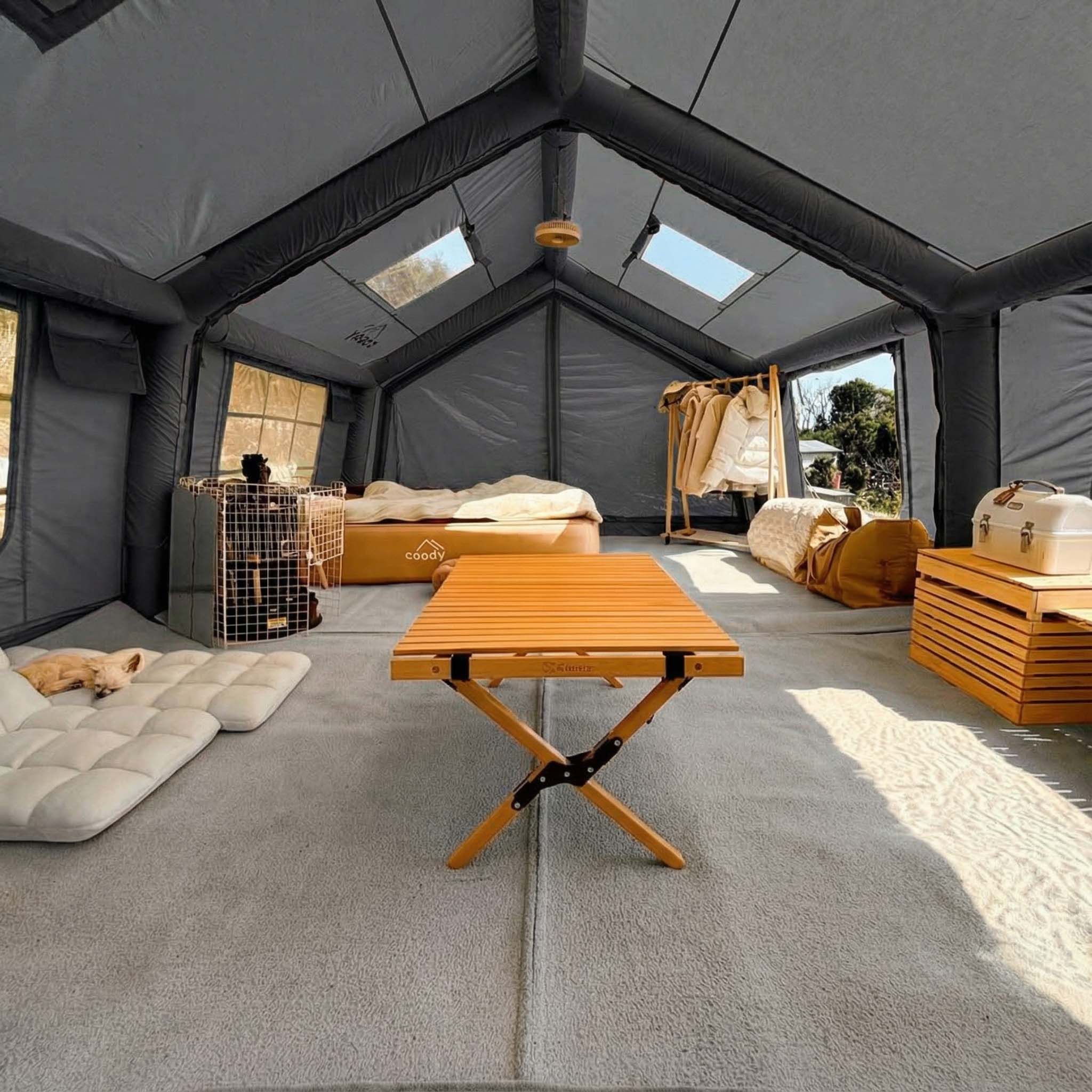
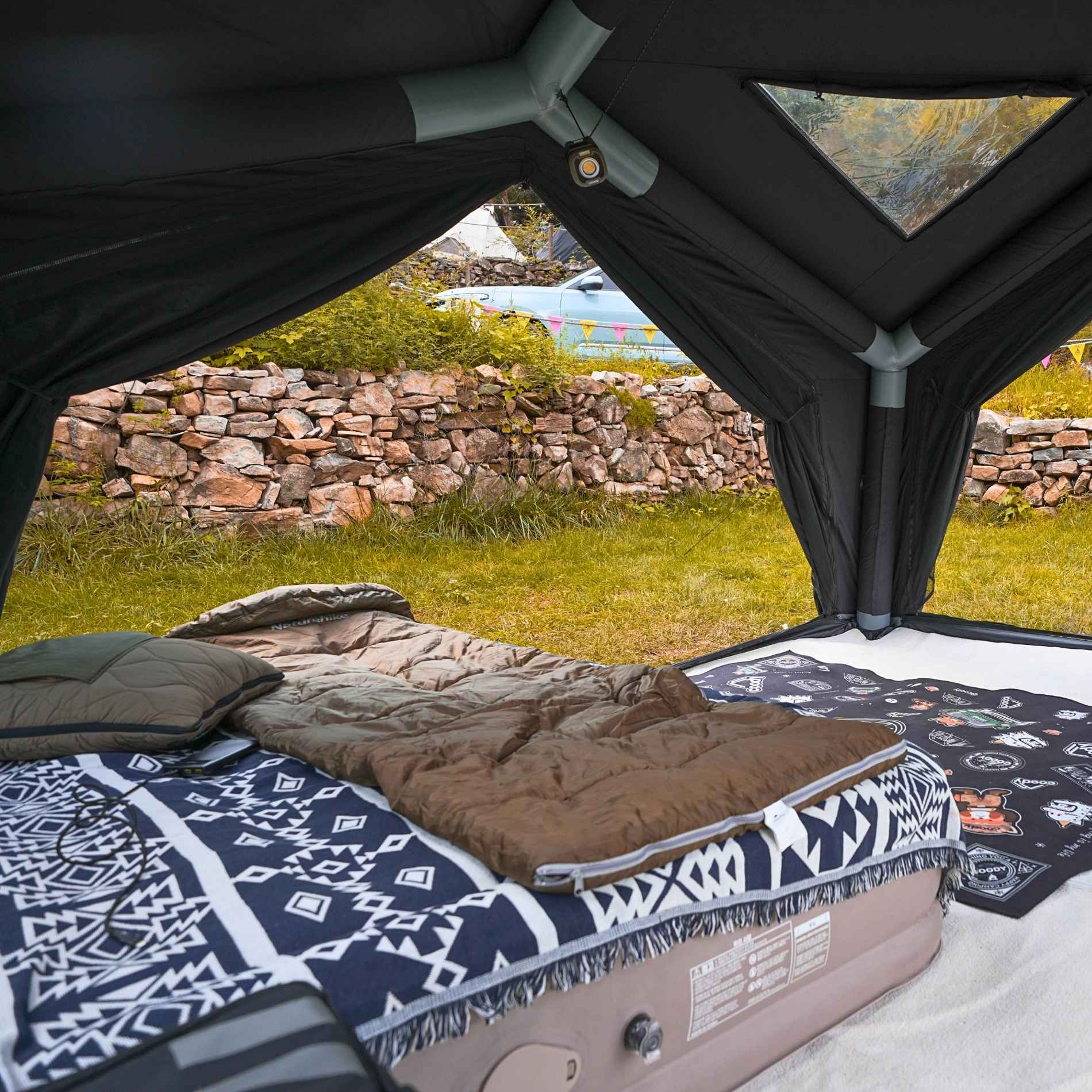
En viajes más largos, la comodidad y la distribución empiezan a importar tanto como la rapidez. Una carpa inflable espaciosa para camping, con zonas claramente definidas para dormir, guardar el equipo y vivir, mantiene el campamento tranquilo y organizado día tras día. Las configuraciones más grandes, como el kit Coody 17.2, dan la sensación de un pequeño campamento base móvil en lugar de un refugio temporal. Opciones más equilibradas, como la colección Coody 13.6, funcionan muy bien para fines de semana largos y viajes por carretera, cuando aún quieres espacio para moverte, pero no necesitas la mayor superficie. En ambos casos, la idea es la misma: menos esfuerzo en la parte técnica del camping y más espacio y energía para disfrutar del tiempo al aire libre como realmente quieres.

Conoce la línea de carpas inflables de Coody
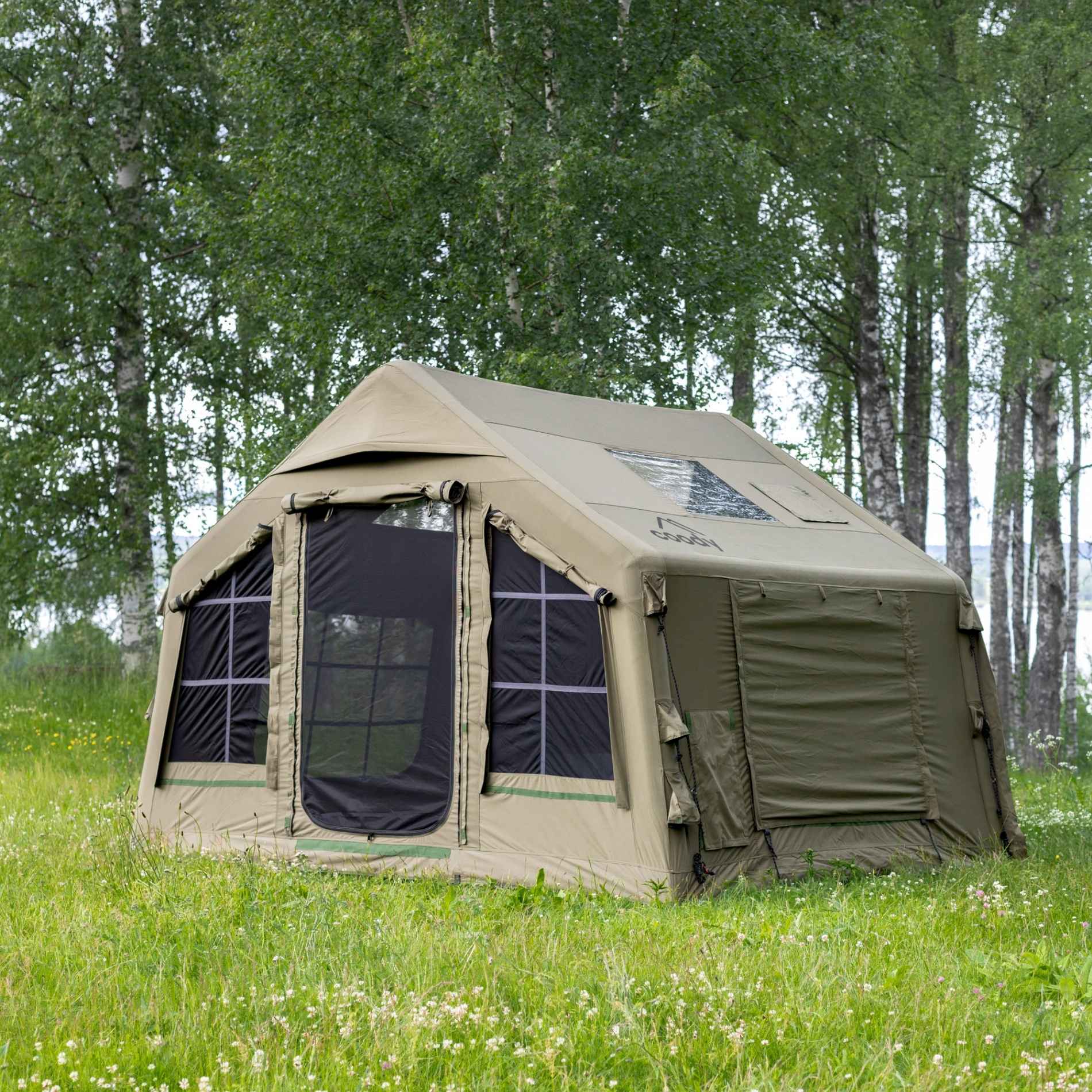
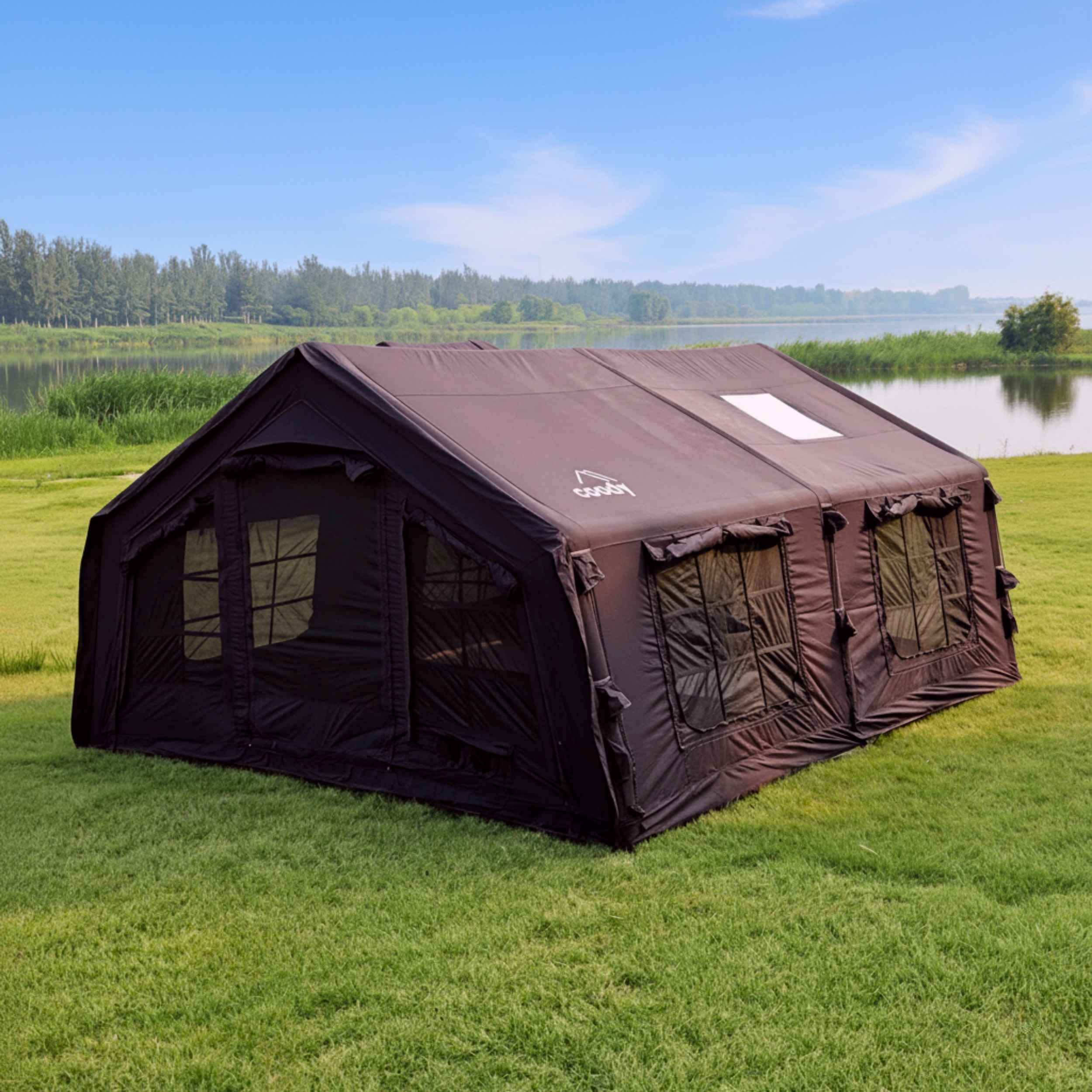
Coody se enfoca en carpas inflables que se sienten naturales para vivir, no solo fáciles de instalar. En lugar de ofrecer una carpa de aire genérica, la línea cubre distintos estilos de camping: vacaciones familiares tranquilas, escapadas rápidas de fin de semana, viajes por carretera flexibles y campamentos base modulares. Todos los modelos comparten la misma idea: instalación rápida, estructura estable con varillas de aire y una distribución que sigue siendo cómoda después de varios días, no solo la primera noche.
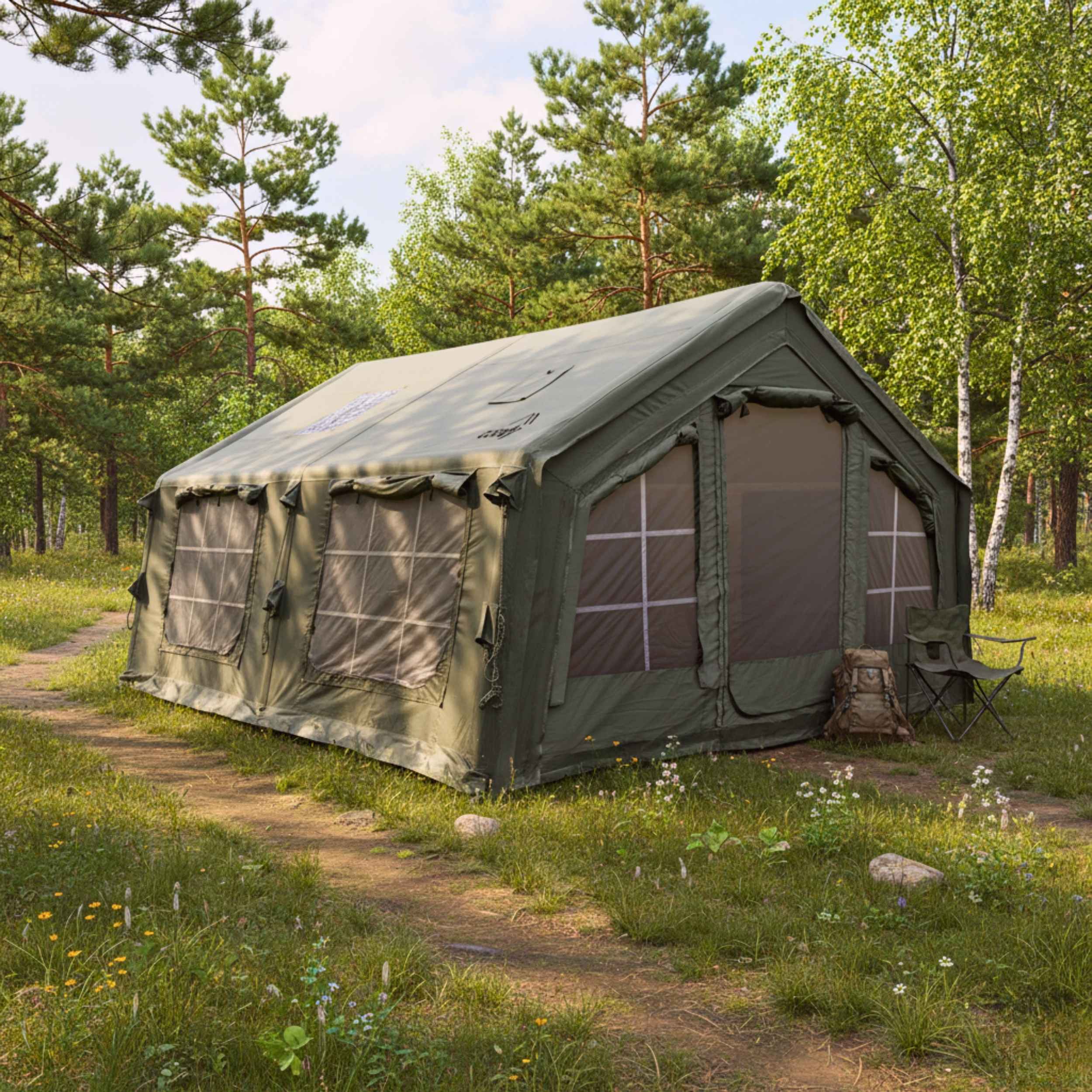
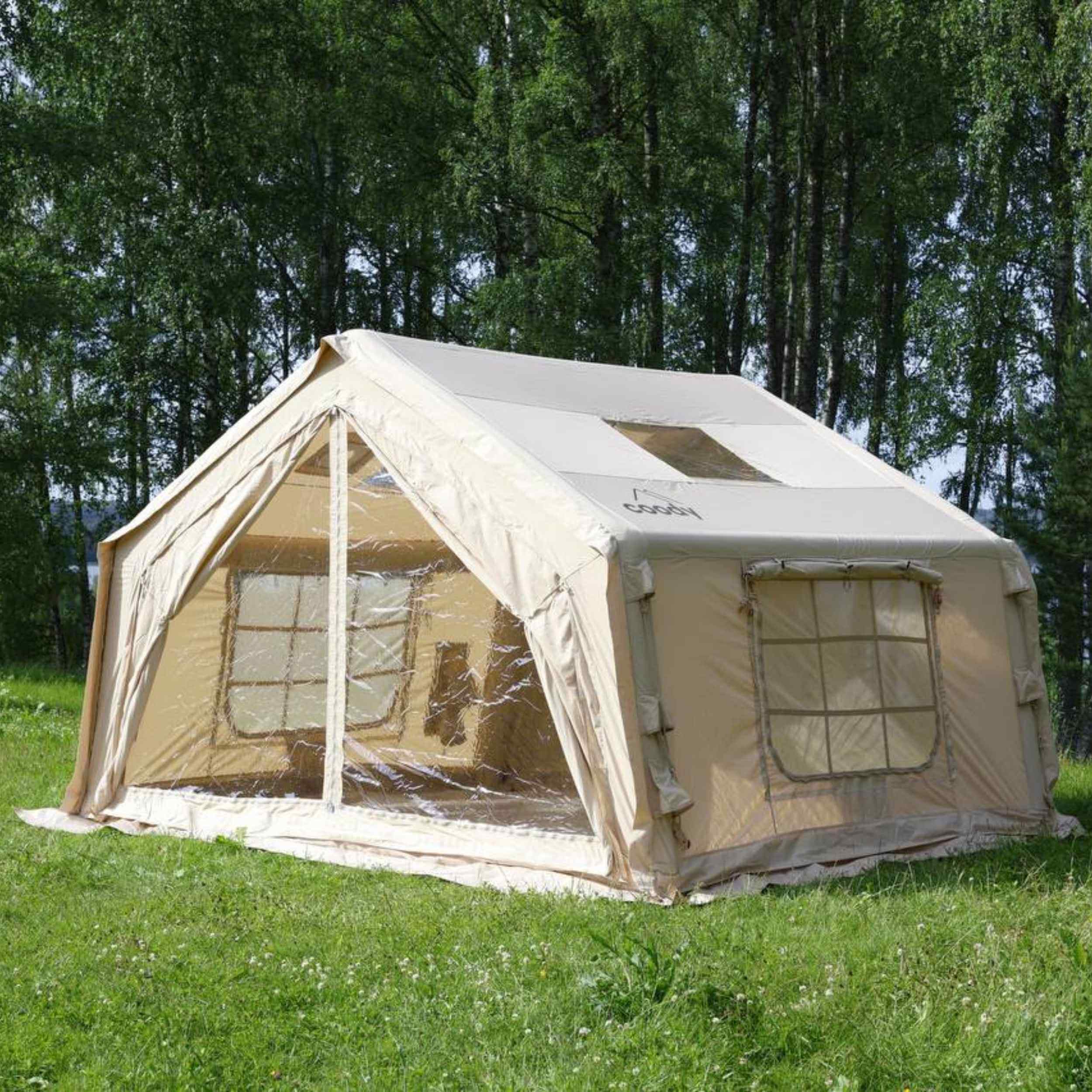
Para viajes más cortos y camping sencillo en auto, muchas personas comienzan con una carpa inflable compacta que no domina el campamento. La Coody 8 Beige funciona muy bien para campistas que viajan solos y parejas que buscan una carpa inflable de montaje rápido, con suficiente espacio para estar de pie y un interior limpio y tranquilo. Cuando necesitas algo más versátil, la gama Coody 10 ofrece espacio adicional para amigos o familiares y, al mismo tiempo, se empaca de forma compacta para viajar. Ambas opciones mantienen una huella manejable, pero te dan la sensación de una habitación real, no solo de un lugar para dormir.
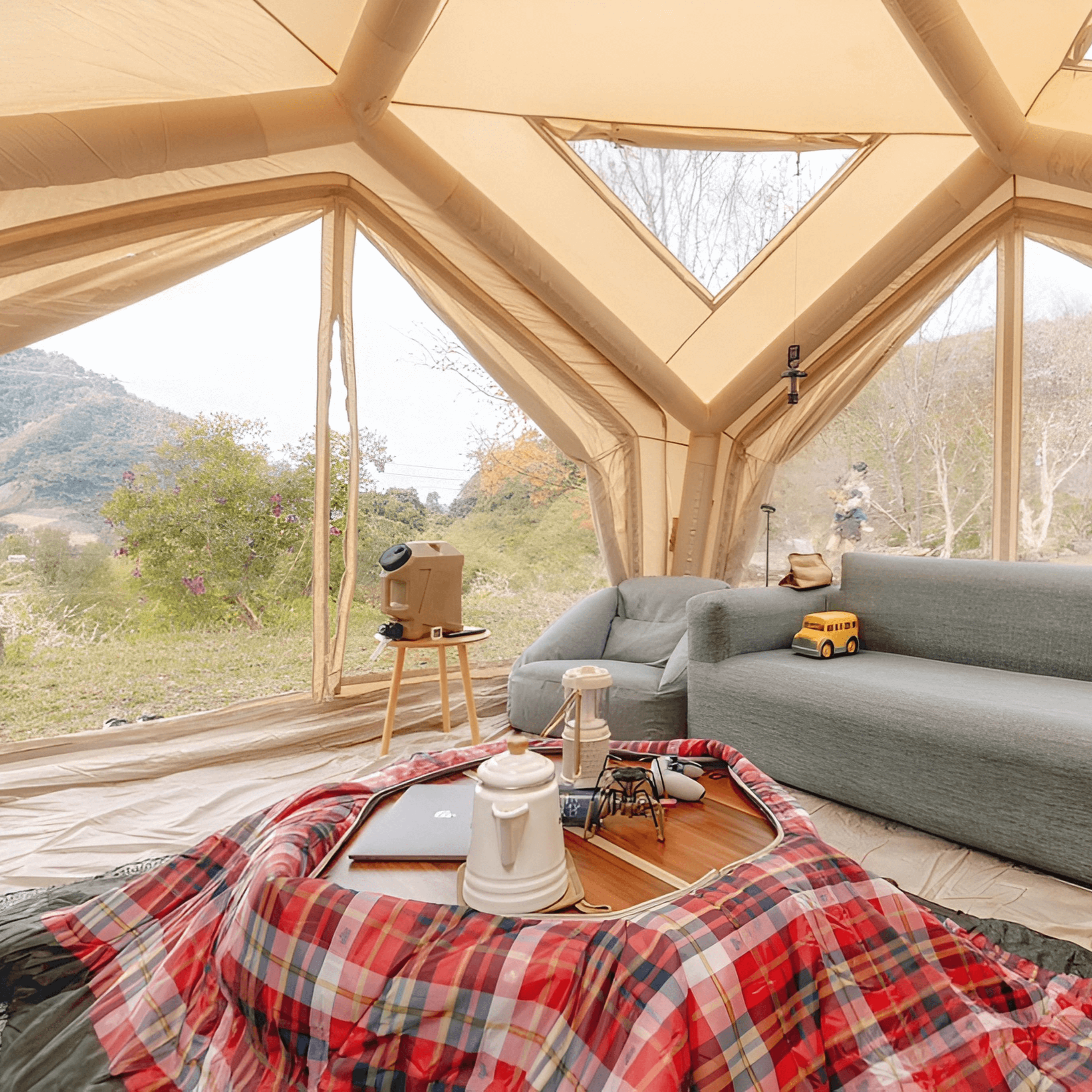
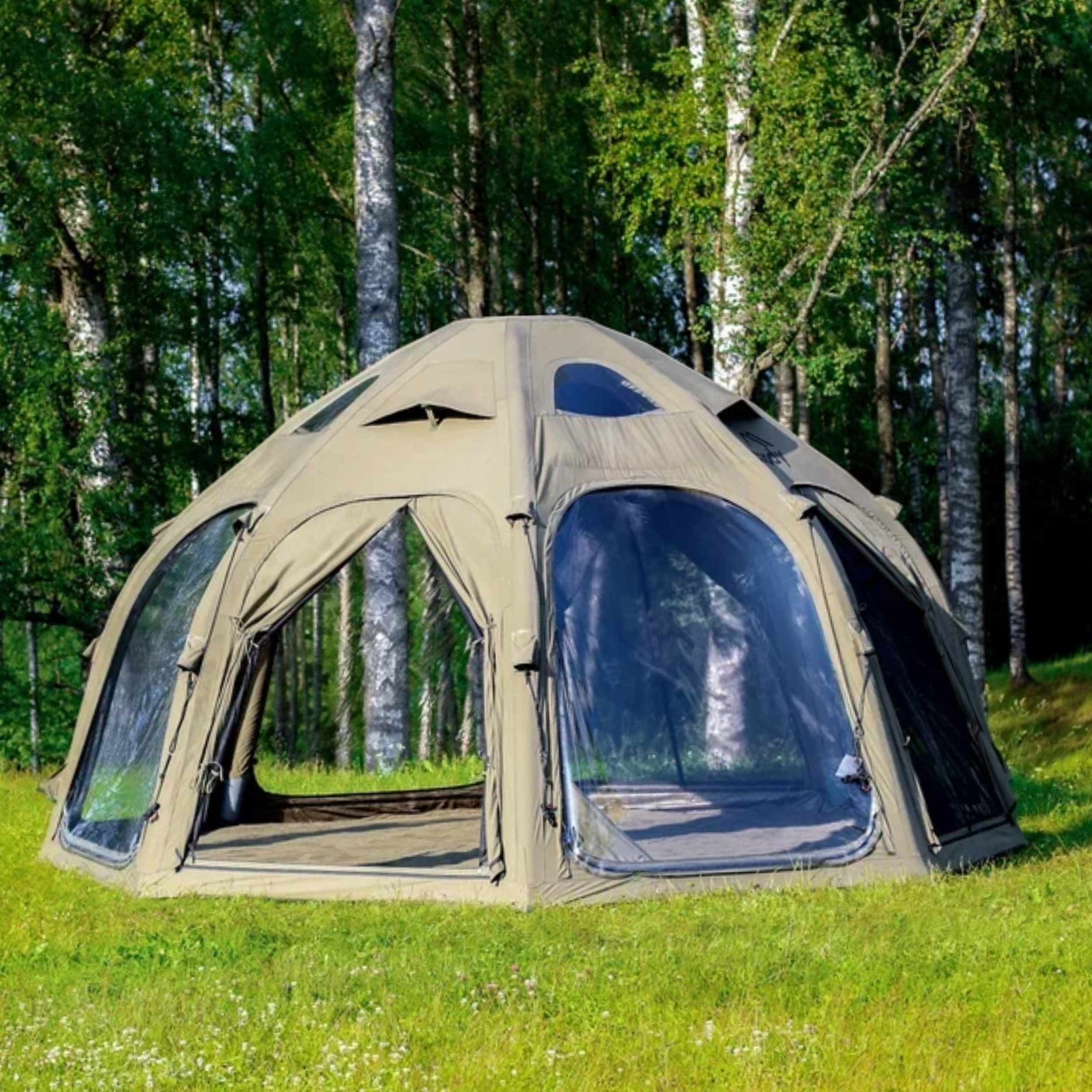
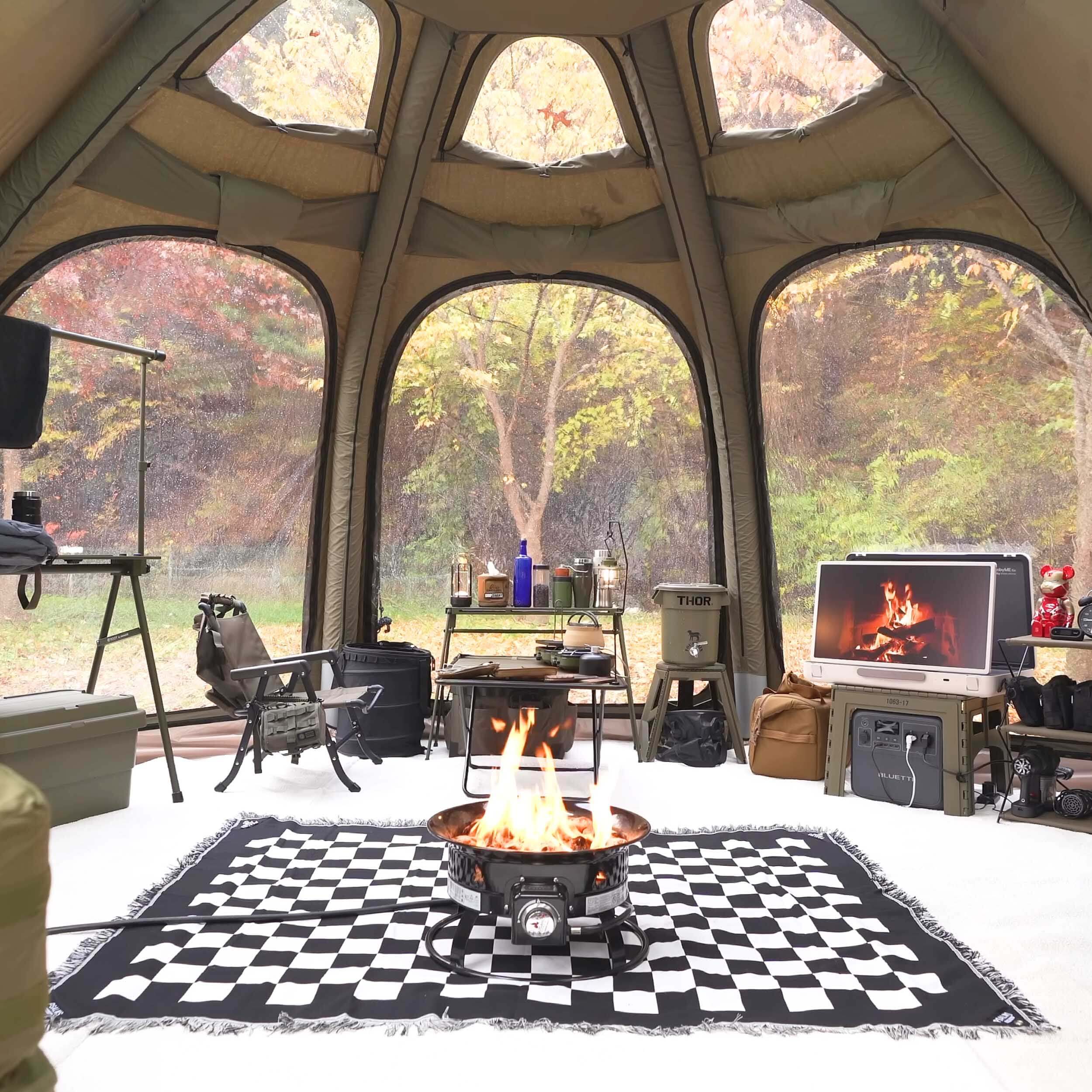
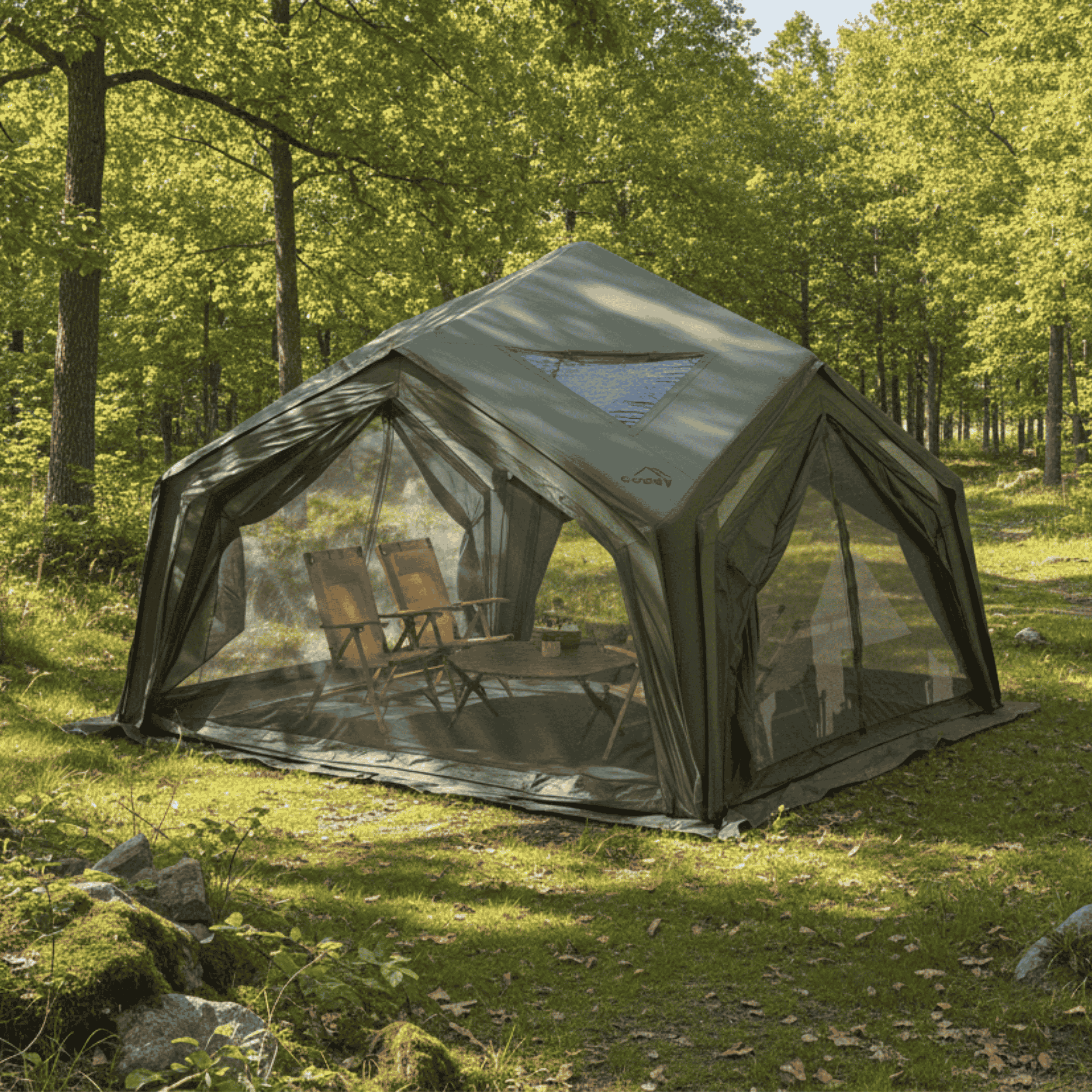
Si te gusta construir un pequeño “hogar” al aire libre en lugar de hacer una simple parada nocturna, las piezas modulares marcan una gran diferencia. La extensión modular Coody Hub te permite agregar una zona exclusiva para cocinar, almacenar o guardar equipo mojado, para que la carpa de camping inflable principal se mantenga limpia y relajada. Para configuraciones más sociales, la serie Coody Dome crea un espacio central luminoso, con ventanas amplias y una altura cómoda, ideal para compartir comidas y disfrutar las noches bajo una luz tenue. Junto con carpas principales más grandes como la 17.2 y la 13.6, estos elementos te permiten diseñar una distribución que se adapte a la forma en que realmente usas tu campamento, desde mañanas tranquilas hasta conversaciones nocturnas.

Define tu estilo de camping antes de elegir una carpa
La mejor carpa de camping inflable es la que se adapta discretamente a la forma en que pasas el tiempo al aire libre. Antes de comparar detalles, conviene decidir qué tipo de campista eres. ¿Te desplazas lentamente y te quedas en un solo lugar, buscas paisajes nuevos cada día, mantienes todo minimalista y organizado, o conviertes cada viaje en una pequeña celebración? Cuando conoces tu estilo, es más fácil elegir una carpa inflable que se sienta natural, en lugar de forzar tus hábitos para adaptarlos al equipo.
Campistas que disfrutan la vida tranquila
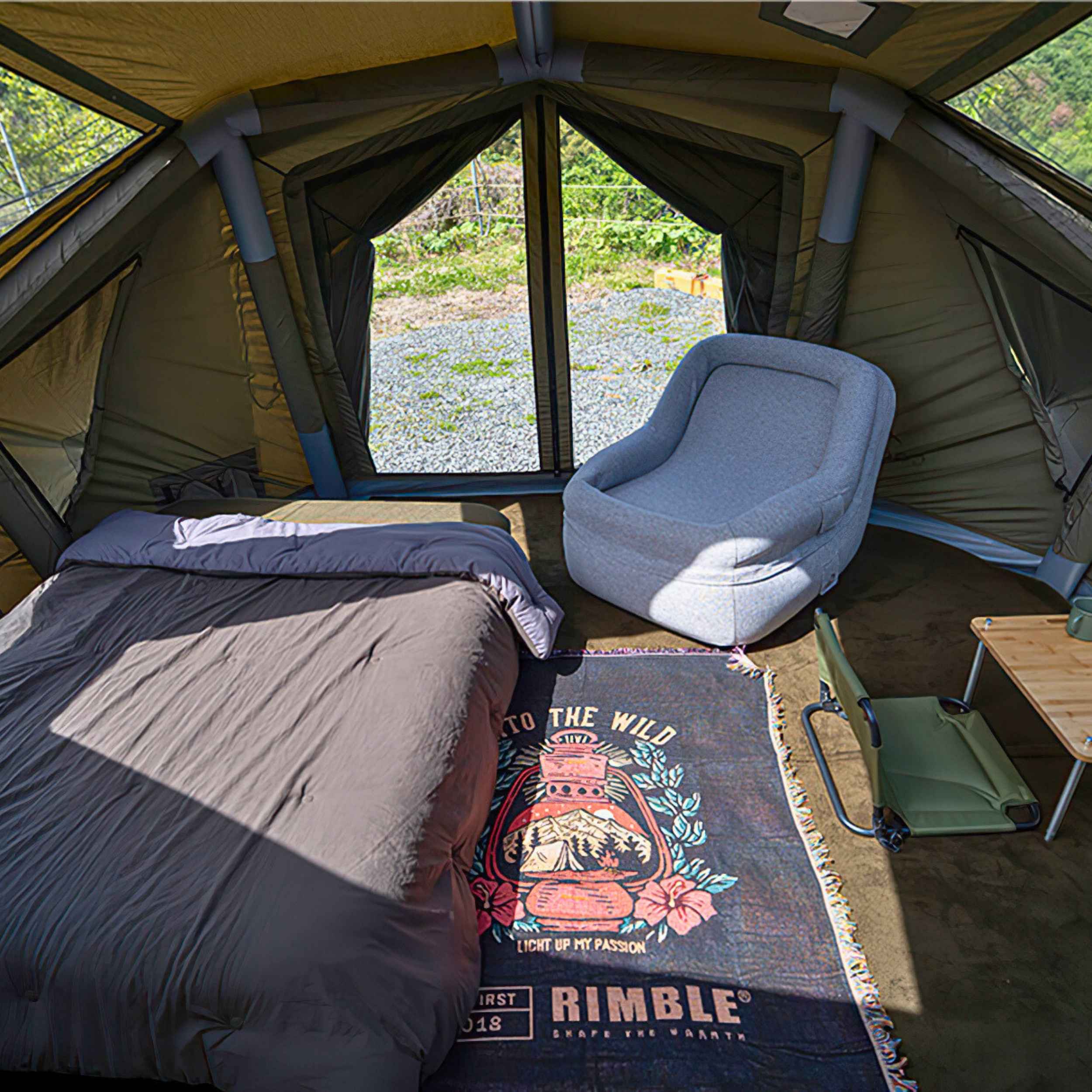
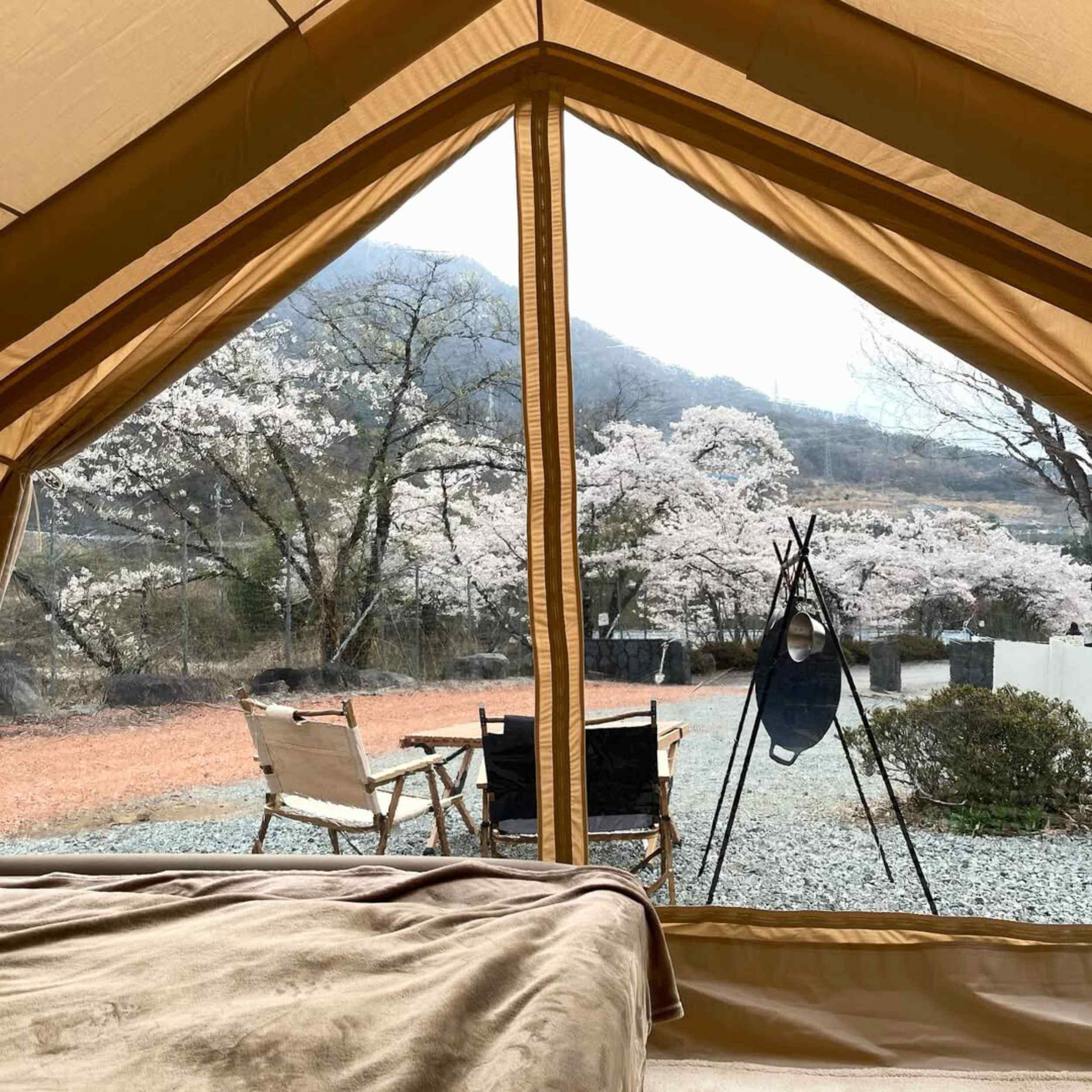
Si tu viaje ideal es pasar un fin de semana largo en un solo sitio, disfrutar desayunos tranquilos y tardes con un libro, busca una carpa de camping espaciosa, con un interior sereno y espacio para moverte. Una carpa familiar inflable más grande, con áreas claramente definidas para dormir, estar y guardar el equipo, evita que el espacio se sienta abarrotado, incluso después de varios días. Aquí importan más la mayor altura interior, las puertas amplias y las ventanas grandes que el menor tamaño posible al empacarla. En este escenario, tu carpa se convierte en una base acogedora de la que casi no sales, así que la comodidad a lo largo del tiempo es más importante que ahorrar un minuto en el montaje.
Viajeros espontáneos
Para algunas personas, el camino es lo principal. Llegan tarde, cambian de planes con frecuencia y prefieren decisiones sencillas en lugar de horarios estrictos. Para este estilo, una carpa de instalación rápida es esencial. Una carpa inflable compacta para camping que funcione bien para acampar en auto te permite detenerte, inflarla, fijar las esquinas y estar dentro en cuestión de minutos. No necesitas la mayor superficie; necesitas una Air Tent que se adapte a climas cambiantes, quepa en distintos lugares y nunca se sienta como un proyecto al final del día.
Minimalistas y pragmáticos
Si te gusta que todo sea sencillo, claro y esté en su lugar, probablemente eres un campista minimalista. Valoras una distribución despejada, líneas rectas y equipo que simplemente funciona. Una Air Tent de instalación sencilla, con una distribución práctica, poco ruido visual y suficiente espacio de almacenamiento para mantener despejada el área de estar, encaja con esta forma de pensar. Busca una carpa para camping apta para todo tipo de clima, con buena estabilidad, materiales confiables y detalles discretos en lugar de extras llamativos. Para los pragmáticos, la carpa inflable adecuada se siente como una habitación bien organizada: nada de más ni nada de menos.
Creadores de recuerdos y campistas familiares
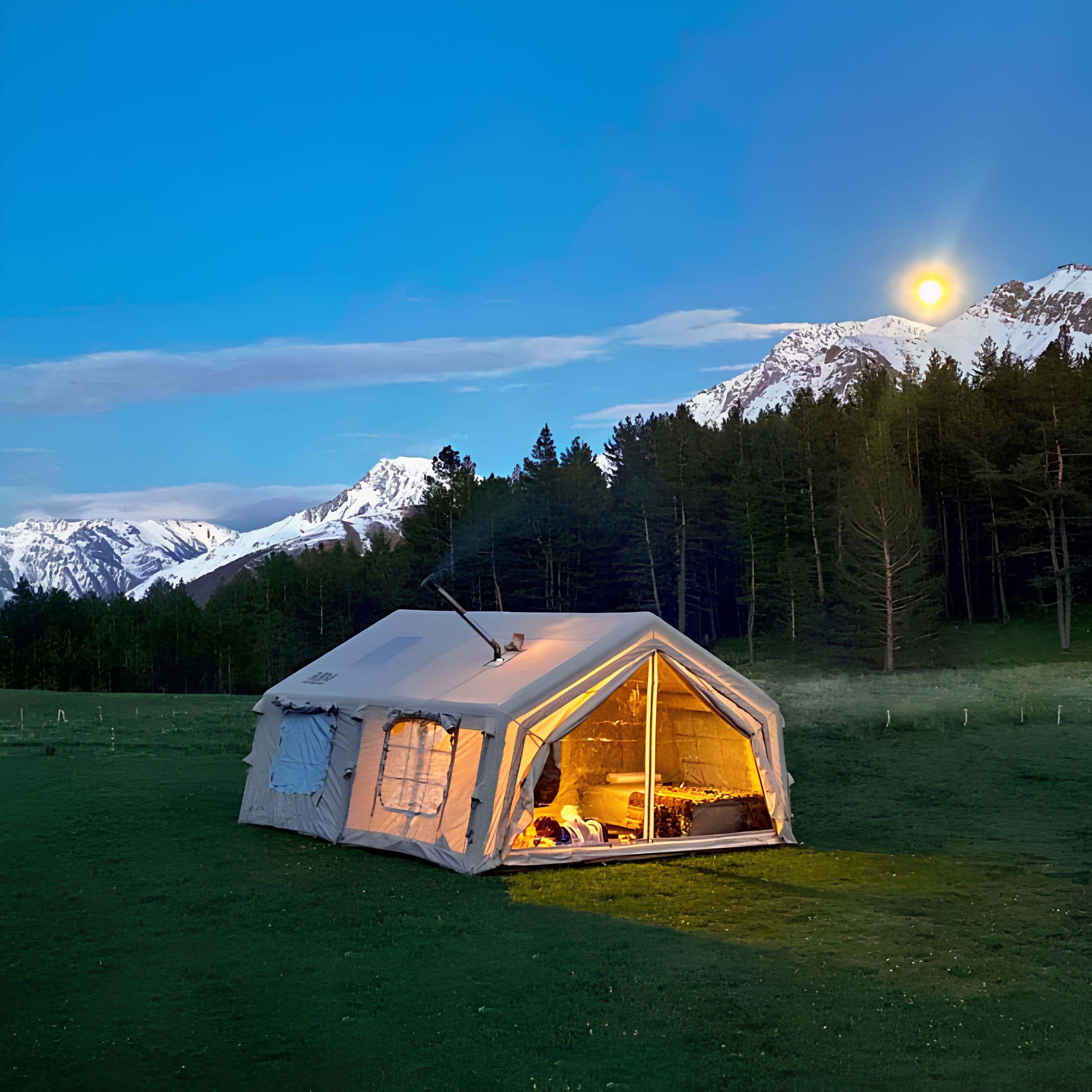
Para las familias y los amigos que viajan para crear momentos compartidos, la carpa es más que un refugio; es el escenario de historias, juegos y conversaciones hasta altas horas de la noche. Una carpa familiar para camping con una amplia área de estar, una altura cómoda y espacio para una mesa ayuda a que todos permanezcan juntos cuando cambia el clima o la noche se alarga. En este caso, una carpa inflable para camping que se sienta cálida, luminosa y acogedora importa tanto como sus especificaciones técnicas. Cuando la distribución facilita el movimiento, el juego y las tardes relajadas, es más fácil recordar el viaje como una serie de pequeñas escenas que comenzaron en el mismo hogar portátil y acogedor.
Consulta nuestras carpas y elige la mejor para tu campamento.
 Coody Aurora Dome
 Carpa Coody 17.2
 Carpa Coody 13.6
 Coody Hub Shelter
 Carpa Coody 10
 Carpa Coody 8.0
Características clave que debes buscar en una carpa inflable para camping
Una vez que entiendas tu estilo de camping, puedes fijarte en los detalles que hacen que una carpa inflable para camping funcione en la vida real, no solo en el papel. Una buena Air Tent equilibra el espacio, la protección contra el clima, la facilidad de uso y la confiabilidad a largo plazo. Prestar atención a algunas características clave te ayudará a evitar tanto pagar de más por cosas que no necesitas como terminar con una carpa que se sienta estrecha o frágil después del primer viaje.
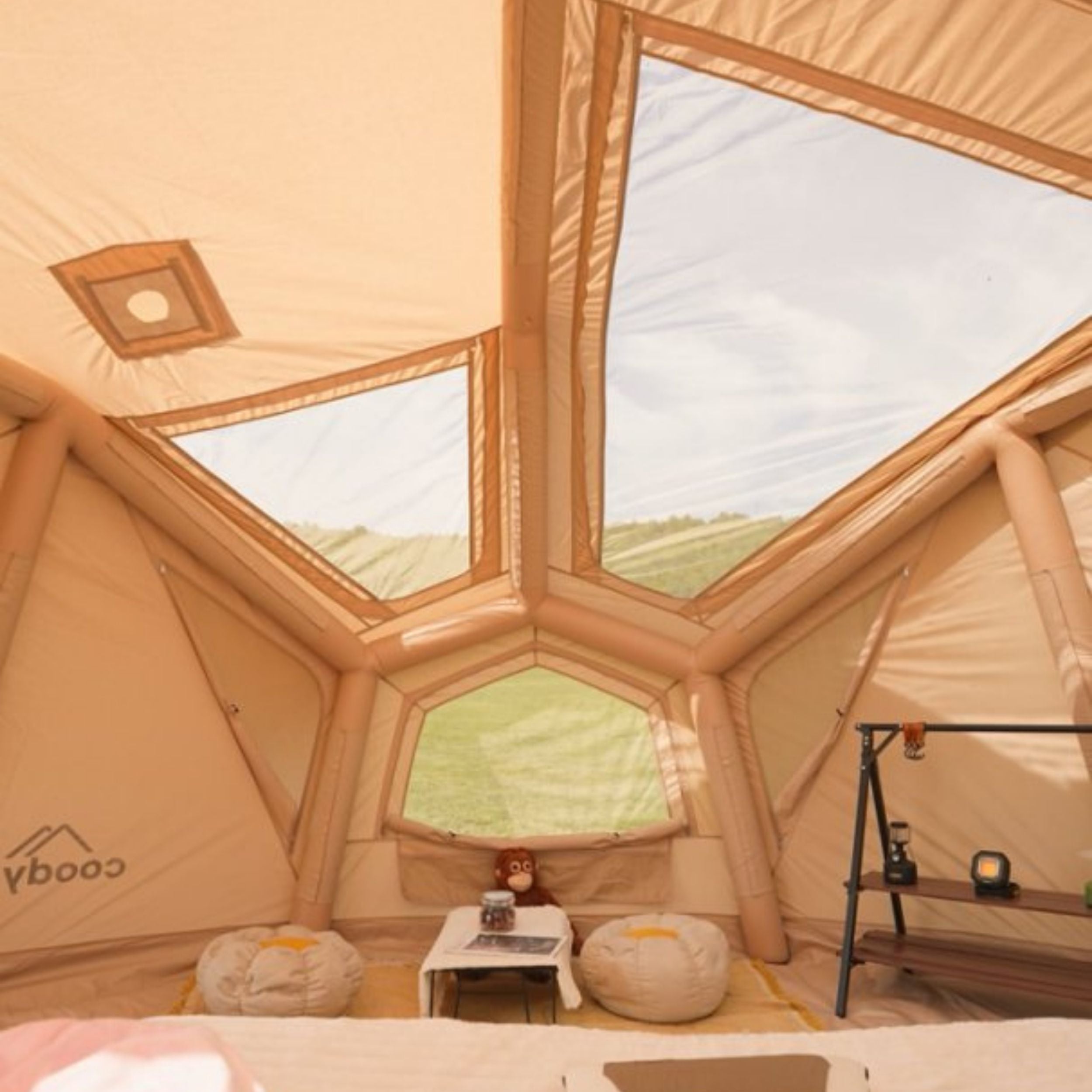
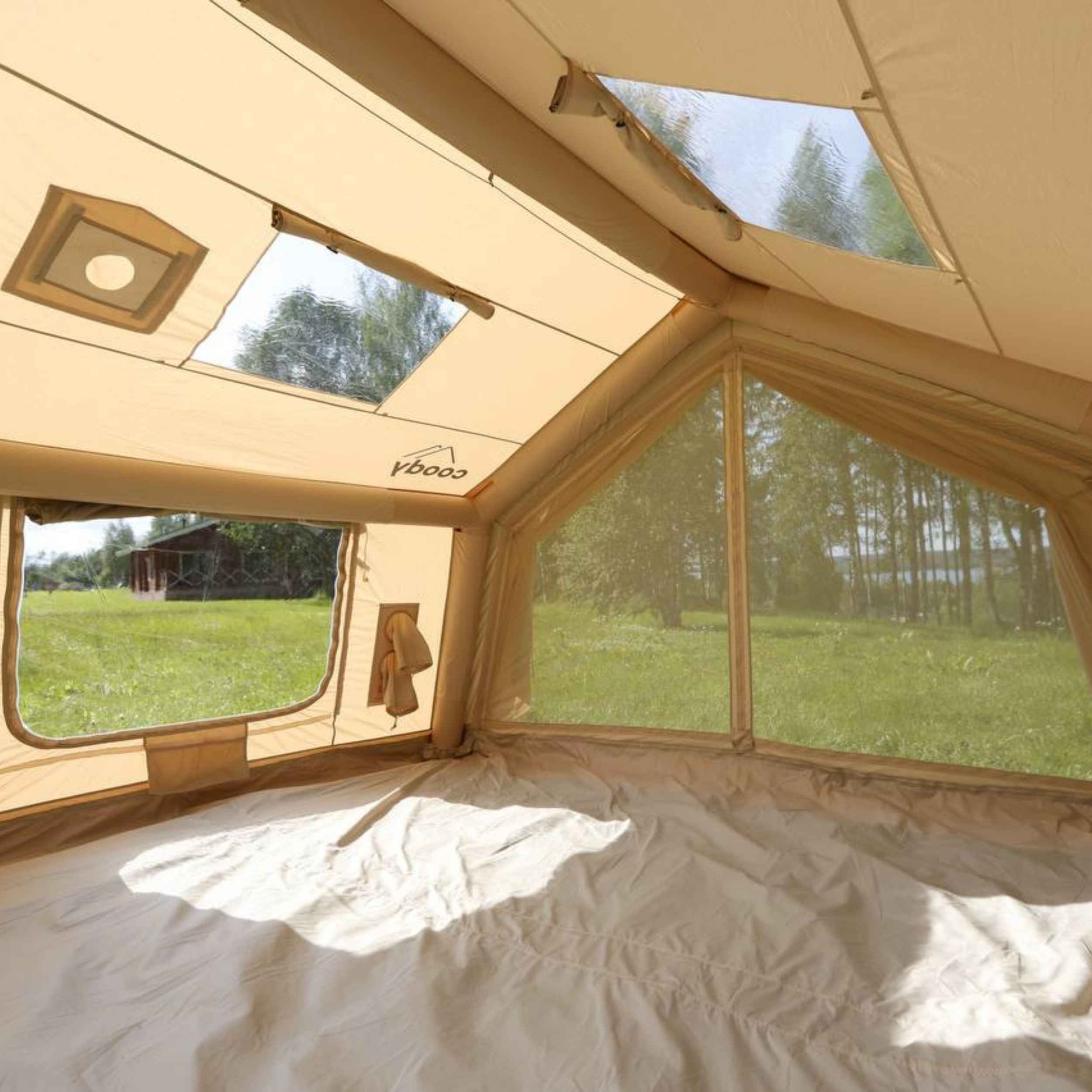
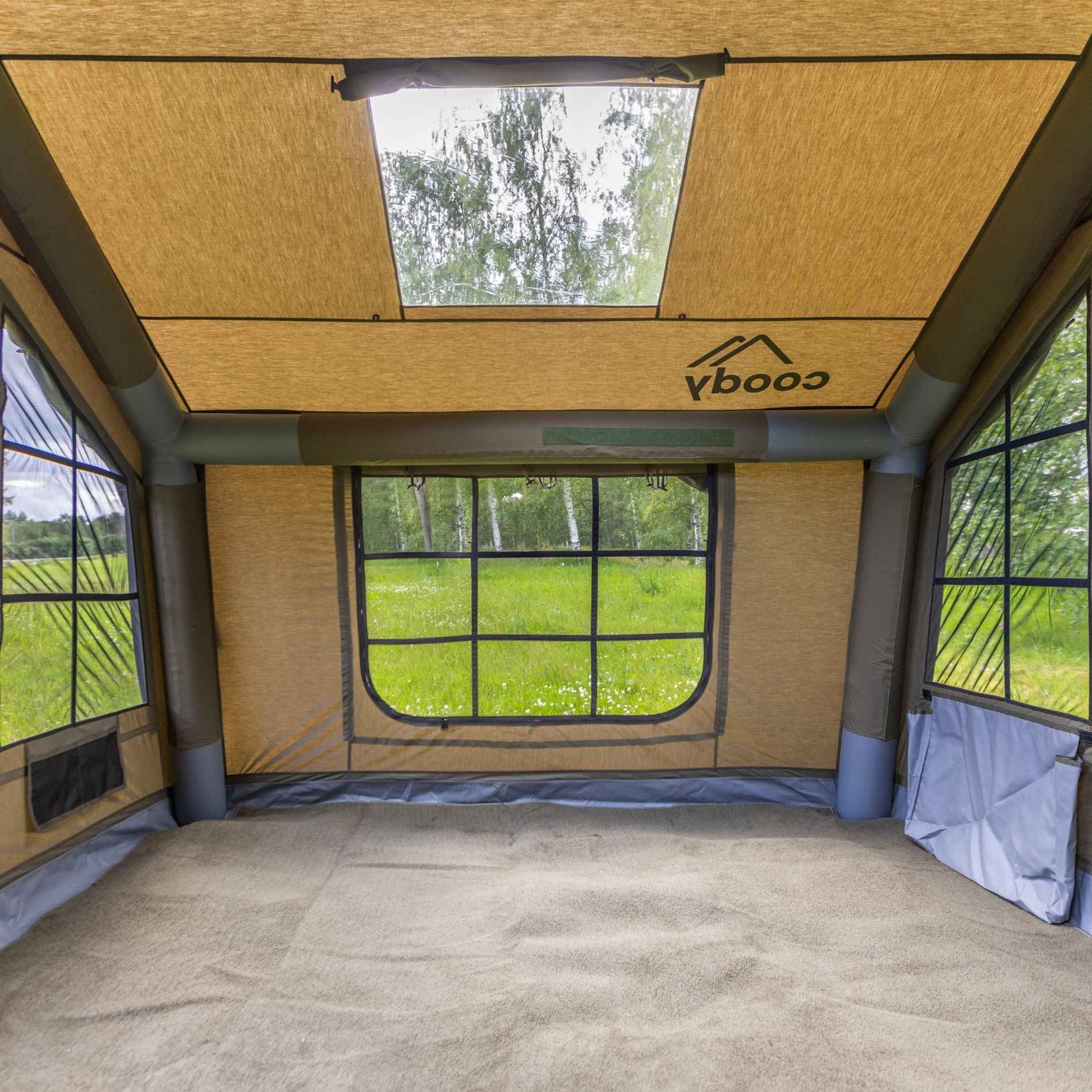
Empieza por el tamaño y la distribución. Piensa en cuántas personas realmente dormirán dentro, cuánto equipo llevas y si necesitas un área de estar de verdad o solo un lugar para recostarte. Una carpa espaciosa para camping, con altura suficiente para estar de pie al menos en parte del interior, facilita mucho las actividades cotidianas, como vestirse, ayudar a los niños o mover las bolsas. Las zonas separadas para dormir y para compartir ayudan a que la carpa se mantenga ordenada en lugar de convertirse en un montón de pertenencias mezcladas. Para acampar en familia, normalmente es mejor elegir una carpa inflable para camping un poco más grande de lo que indica el número mínimo de personas, especialmente si viajas en temporadas más frías y pasas más tiempo dentro.
A continuación, revisa los materiales y el desempeño frente al clima. Una carpa inflable sólida para camping debe ser completamente impermeable, con un sobretecho y un suelo que te mantengan seco durante una lluvia constante, no solo durante un aguacero corto. Las telas resistentes, las costuras selladas y un suelo tipo bañera te protegen tanto del agua como de la abrasión. La estabilidad con viento es igual de importante: las vigas de aire distribuyen la presión de manera diferente a las varillas, pero aun así necesitas vientos adecuados, puntos de sujeción y una forma clara de asegurar la carpa al suelo. Si planeas acampar en temporadas intermedias o en climas variados, considera modelos promocionados como carpas de camping para todo clima o diseños aptos para cuatro estaciones, con buena ventilación y la opción de cerrar los paneles para evitar corrientes de aire.
La facilidad de uso va más allá de que «se infle rápido». Revisa cómo están ubicadas las válvulas, cómo se conecta la bomba y qué tan claras son las instrucciones para inflar y desinflar. Una carpa de aire fácil de instalar debe ser sencilla de entender incluso cuando estás cansado o llegas después del anochecer. En el interior, detalles como ventanas bien ubicadas, ventilas que se puedan ajustar desde el área de estar y bolsillos para objetos pequeños hacen más cómoda la vida diaria. También vale la pena prestar atención a las puertas: al menos dos entradas facilitan entrar y salir sin pasar por encima de los sacos de dormir ni despertar a otras personas.
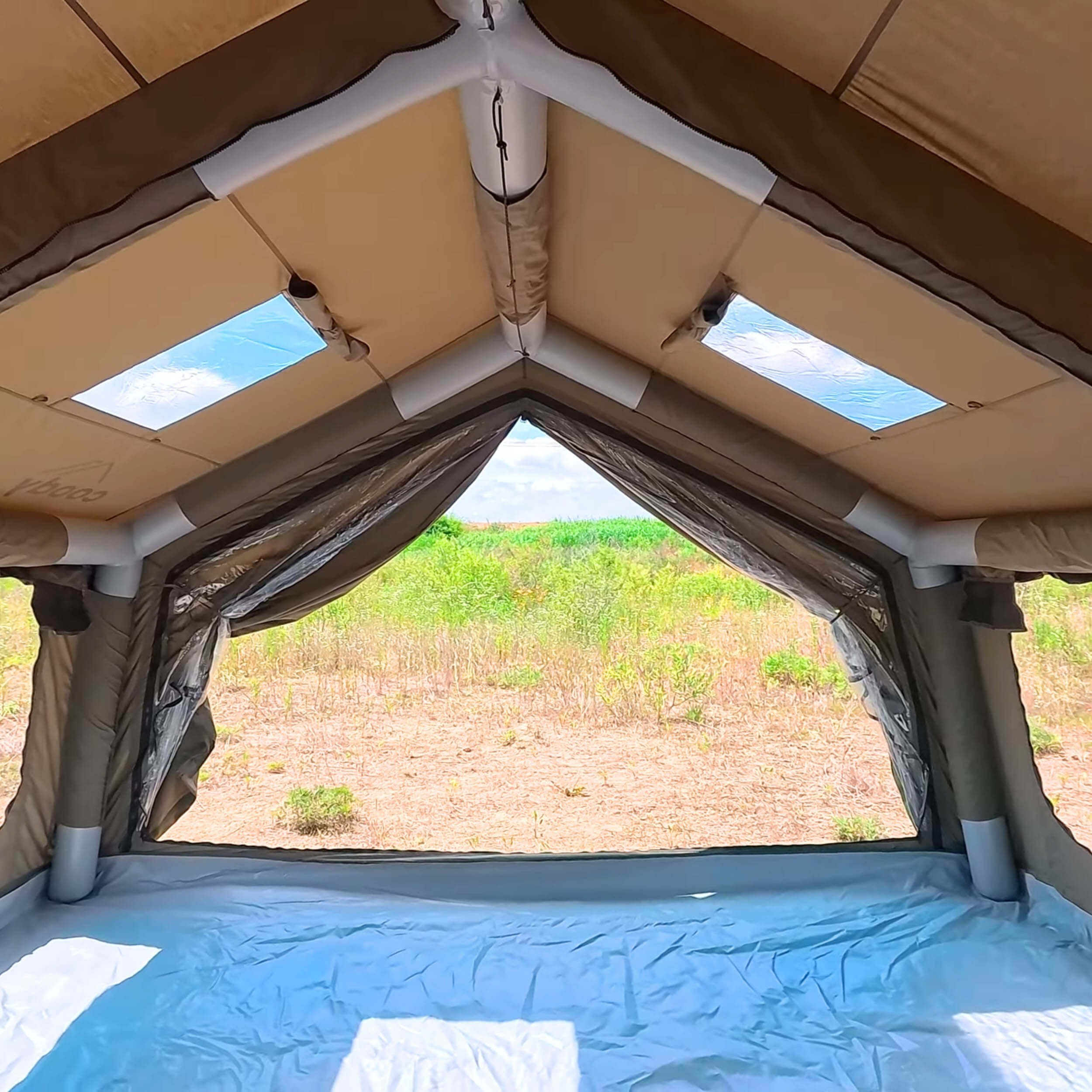
Por último, piensa en la durabilidad y el mantenimiento. Una carpa inflable dura mucho tiempo cuando recibe los cuidados adecuados, pero el diseño debe contribuir a ello. Las cámaras de aire extraíbles y reemplazables dentro de las vigas facilitan las reparaciones si ocurre algún problema. Una bolsa de transporte que no quede demasiado apretada, con correas o asas prácticas, fomenta un empaque adecuado en lugar de obligarte a luchar con la tela al final de cada viaje. Cuando todos estos elementos se combinan —una distribución bien pensada, materiales preparados para el clima, manejo sencillo y una construcción que facilite las reparaciones— una carpa inflable para camping deja de ser solo otro equipo de camping y se convierte en una parte confiable de la forma en que viajas y vives al aire libre.

Cómo usar y cuidar tu carpa de aire para que dure más
Una carpa de aire bien diseñada está hecha para soportar la lluvia, el viento y los viajes repetidos, pero la forma en que la trates influye tanto en su vida útil como los propios materiales. La primera regla es sencilla: sigue los pasos de instalación con calma y de manera deliberada. Infla los tubos hasta alcanzar la presión recomendada, no lo máximo posible. Con poca presión, la estructura se siente blanda con el viento; con demasiada, sometes las válvulas y las cámaras internas a un esfuerzo excesivo. Asegúrate de fijar completamente las líneas de sujeción, incluso en días sin viento. La tensión adecuada distribuye las fuerzas por todo el armazón en lugar de dejar que un solo punto soporte cada ráfaga.
El control de la humedad es igual de importante. Incluso una carpa inflable impermeable para camping puede deteriorarse si se guarda mojada y permanece así durante días. Cuando desmontes el campamento, sacude el agua suelta, abre las ventilaciones y, si tienes tiempo, deja que la tela se airee antes de enrollarla. En casa o en tu próxima parada, desenrolla la carpa por completo y deja que se seque completamente a la sombra. La luz solar directa e intensa durante períodos prolongados puede debilitar los recubrimientos con el tiempo, así que busca condiciones luminosas, pero no abrasadoras. La limpieza debe ser sencilla: cepilla la suciedad, enjuaga con agua limpia cuando sea necesario y evita los detergentes agresivos que eliminan las capas protectoras.
El almacenamiento une todos estos aspectos. En lugar de comprimir la carpa en el rollo más pequeño posible, guárdala holgadamente en su bolsa para que la tela no permanezca bajo compresión constante. Consérvala en un lugar fresco y seco, lejos de herramientas afiladas o productos químicos en el garaje o sótano. Revisa las válvulas, las cremalleras y las líneas de sujeción de vez en cuando, especialmente antes del primer viaje de la temporada, y repara pronto cualquier problema pequeño. Con este tipo de cuidado básico, una carpa inflable no se siente delicada ni temporal. Se convierte en un espacio estable y familiar que sigue funcionando temporada tras temporada, listo cuando decidas transformar otro terreno en tu hogar temporal.
Convierte tu próximo viaje en un lugar que se sienta como tu hogar
Al final, la mejor carpa inflable para camping no es la que tiene la ficha técnica más extensa, sino la que se adapta discretamente a tu forma de moverte, descansar y compartir tiempo al aire libre. Cuando combinas tu estilo de camping con la carpa de aire adecuada, el campamento deja de sentirse como un compromiso temporal y empieza a parecer un pequeño espacio adicional de tu hogar, solo que con más cielo y más silencio. La distribución adecuada permite que todos encuentren su propio rincón, los materiales correctos te mantienen tranquilo cuando cambia el clima y la instalación adecuada hace que la primera hora en el lugar consista en llegar, no en luchar con el equipo.
Elegir una carpa inflable es, en realidad, una cuestión de cómo quieres vivir al aire libre. ¿Quieres mañanas tranquilas y tardes largas en un mismo lugar, viajes por carretera espontáneos con noches rápidas, instalaciones limpias y minimalistas o animados centros familiares llenos de historias y luz cálida? Cuando respondas eso con honestidad, lo demás se vuelve más sencillo. Busca una carpa inflable para camping que respalde esa respuesta, confía en que resistirá los elementos y deja que convierta cada nuevo terreno en un espacio familiar y acogedor.