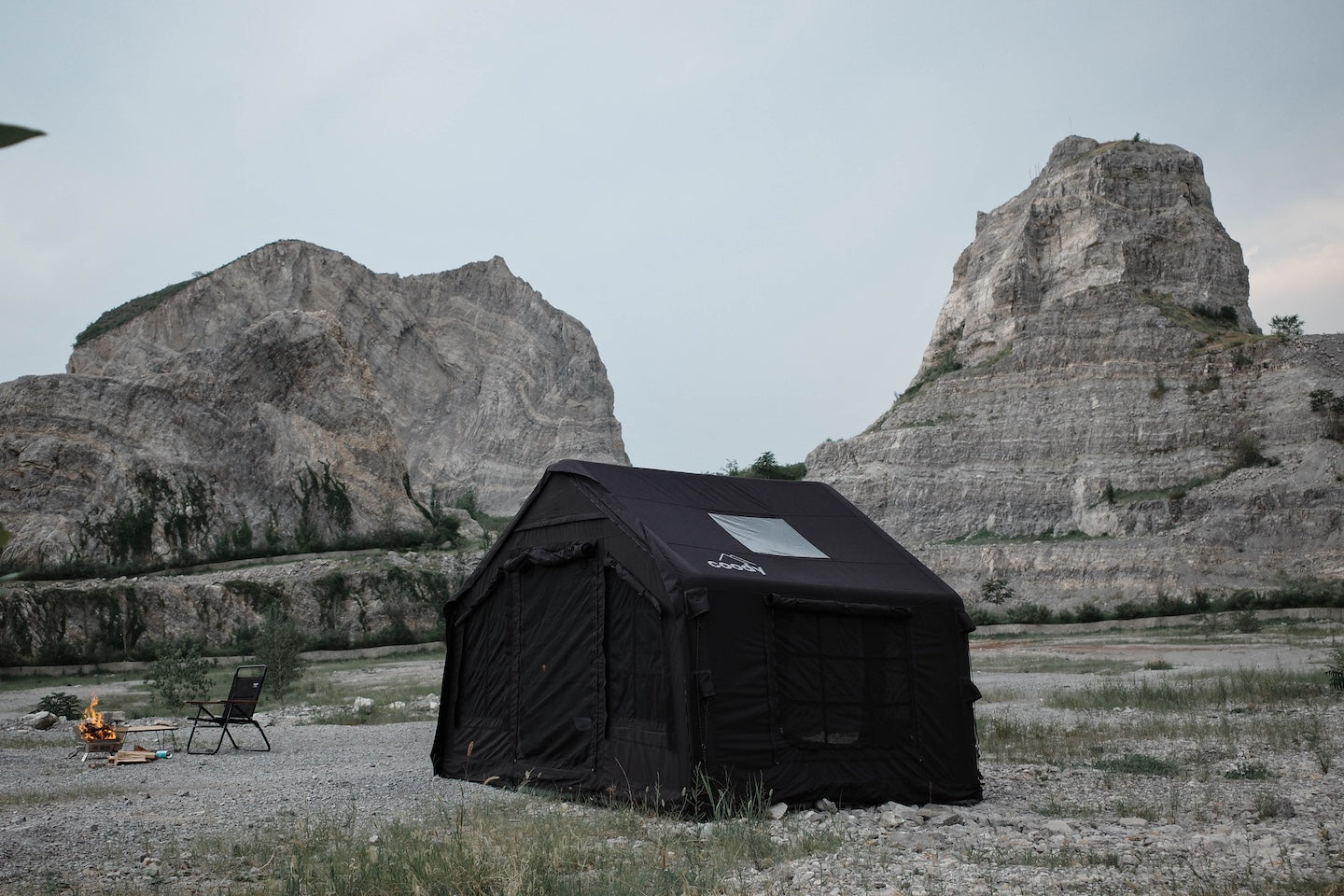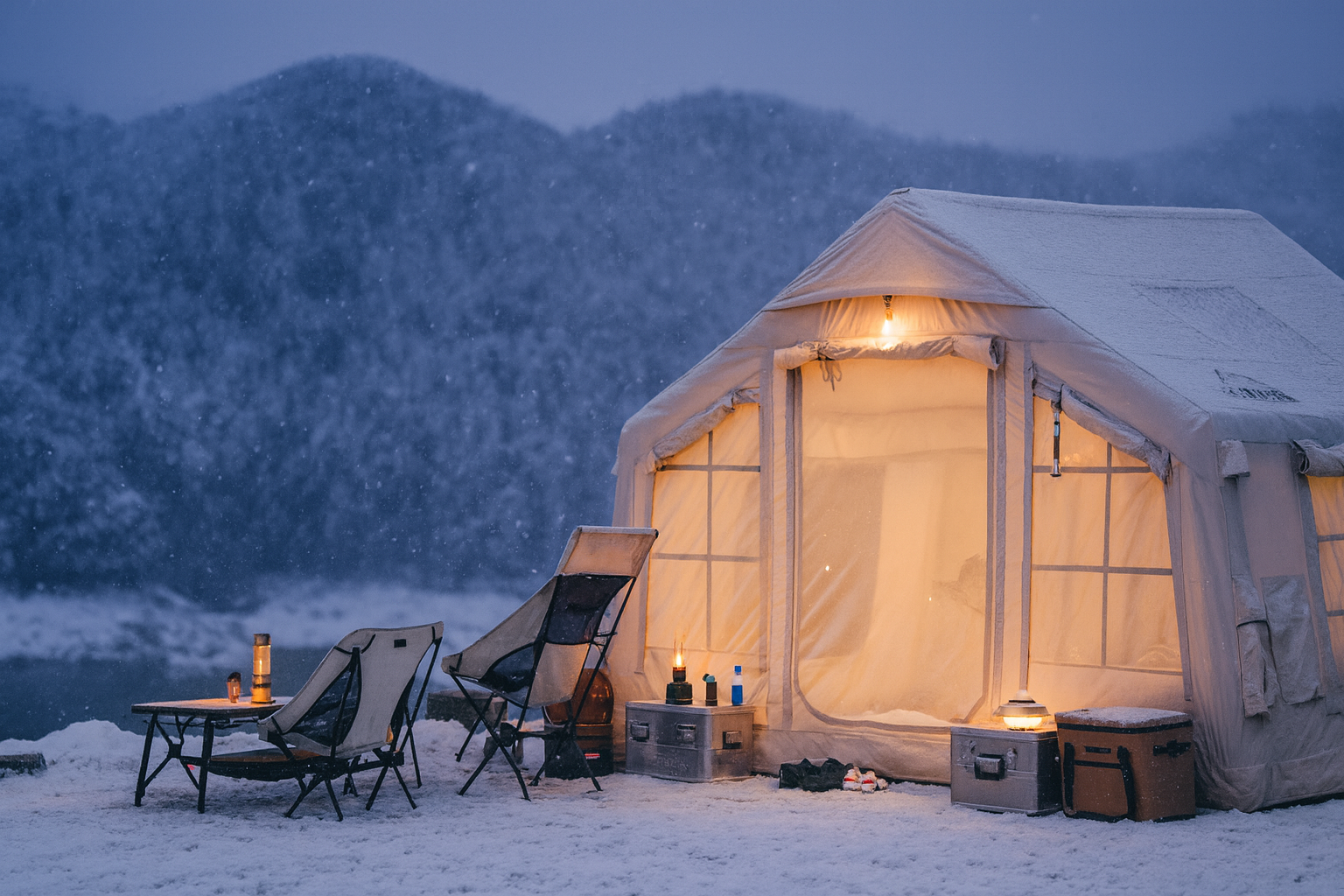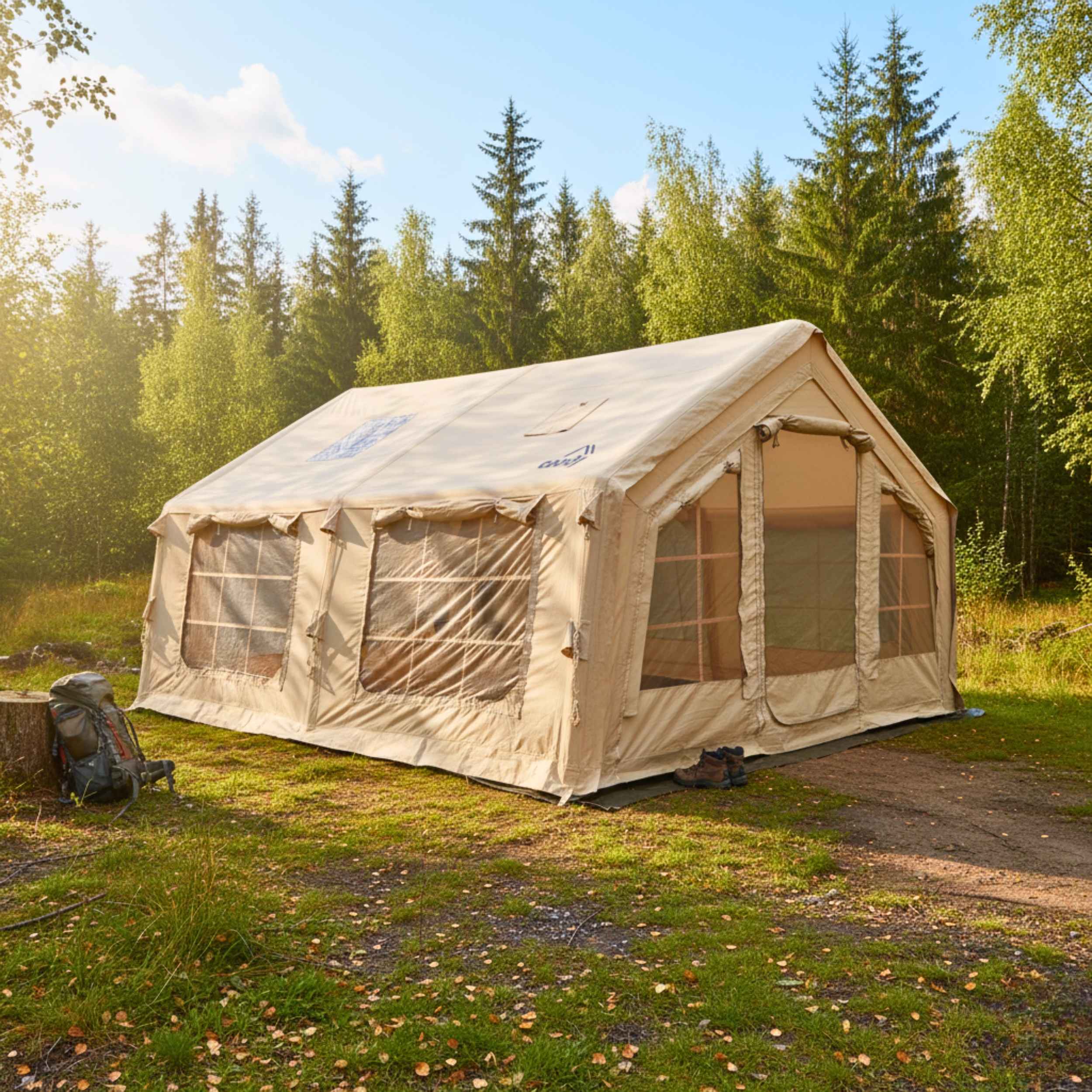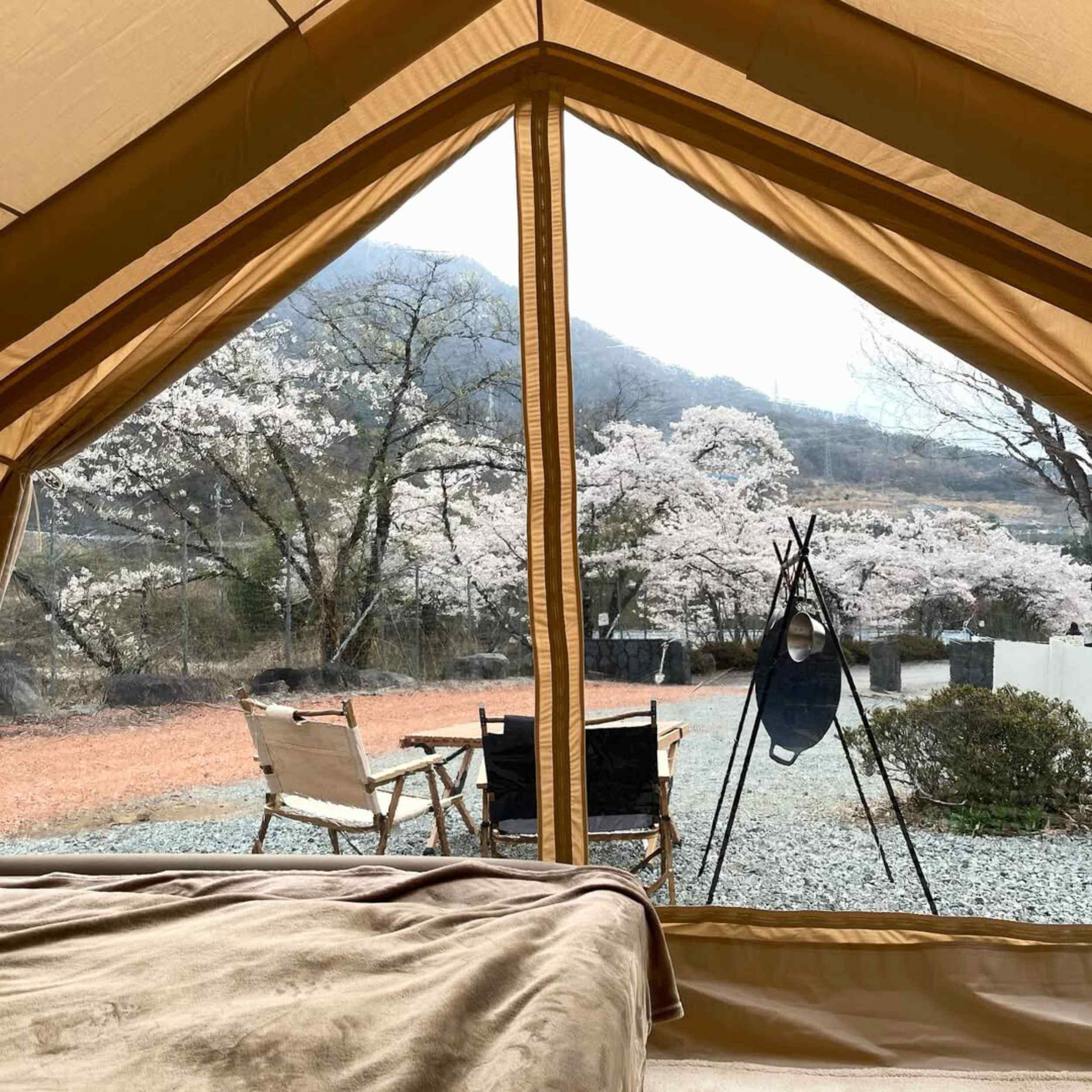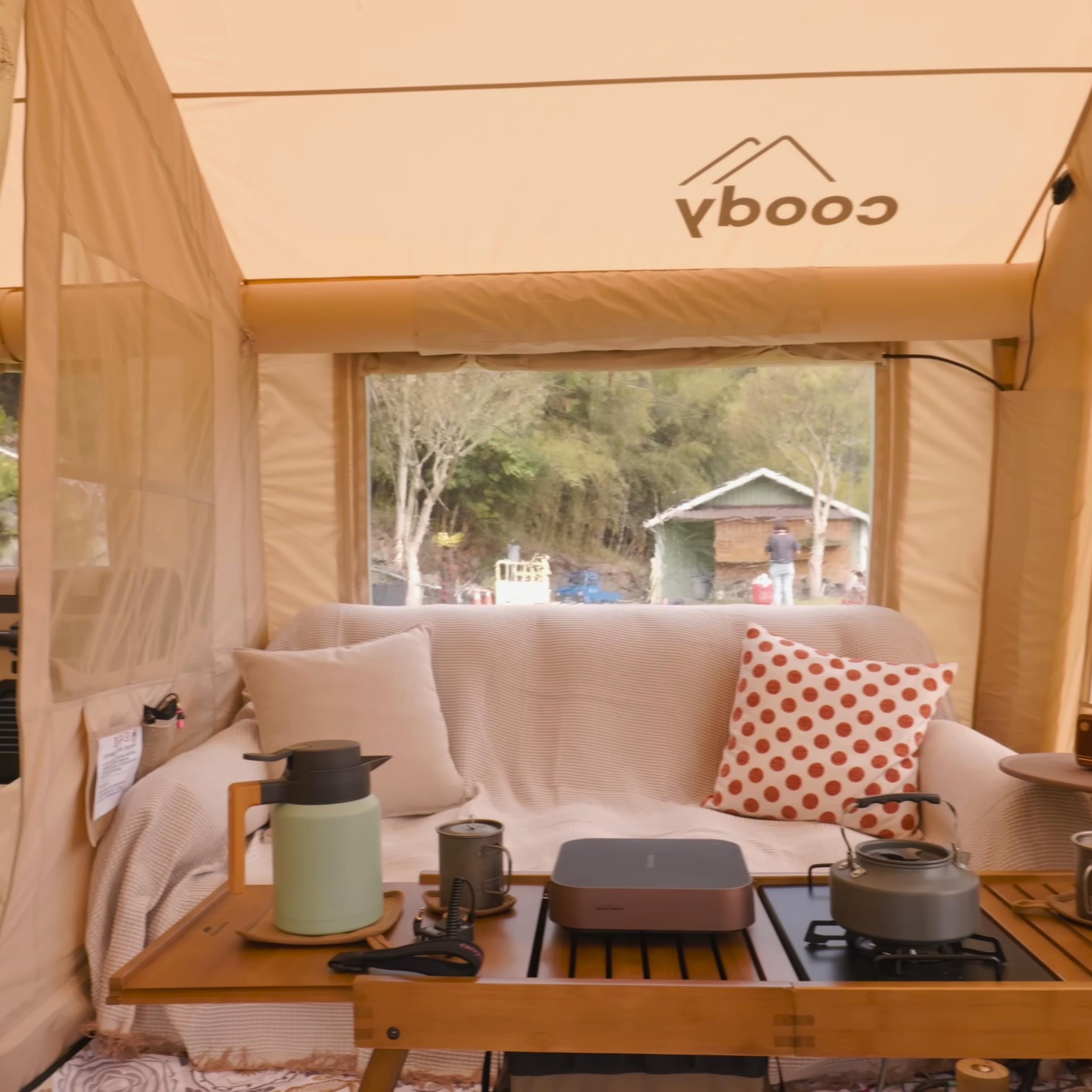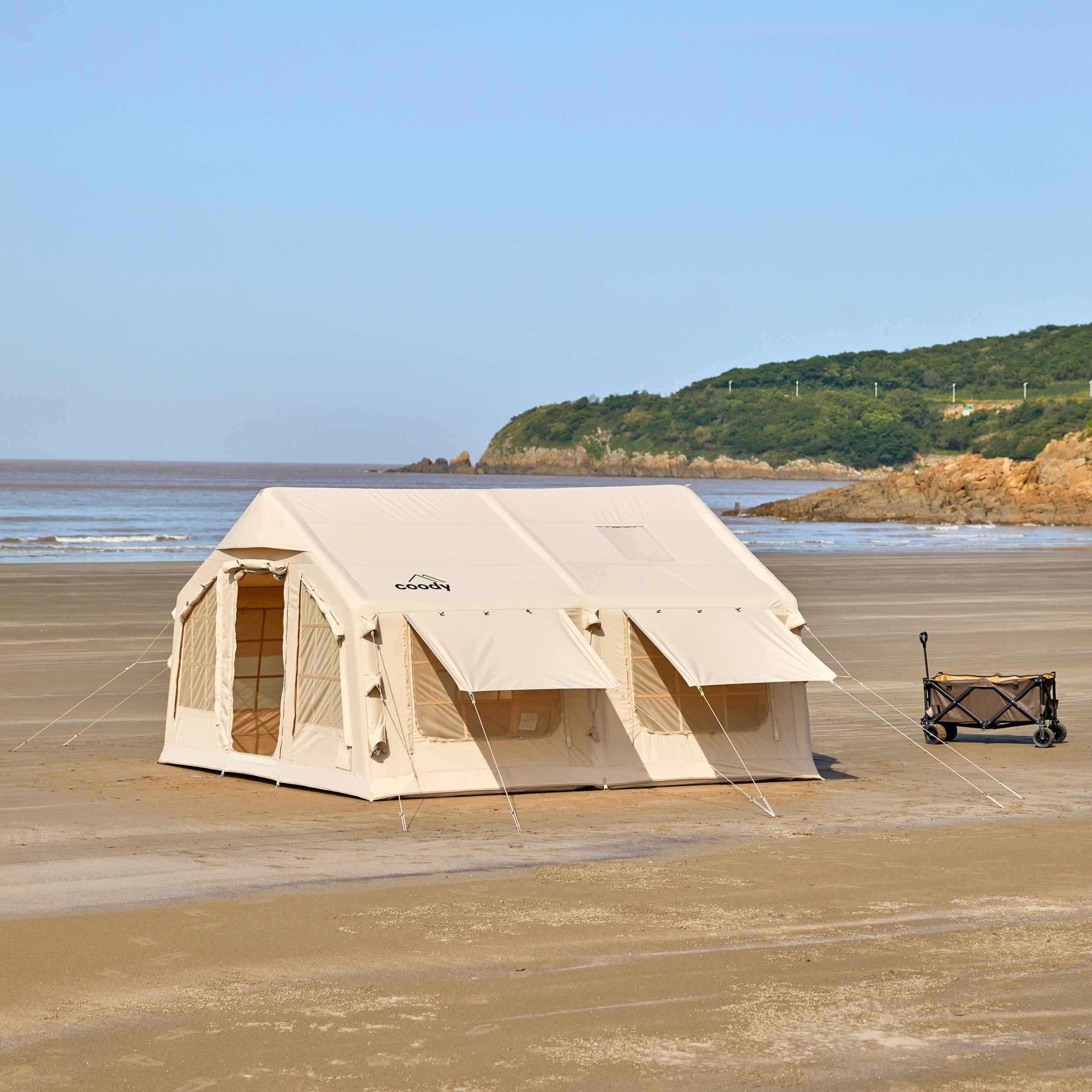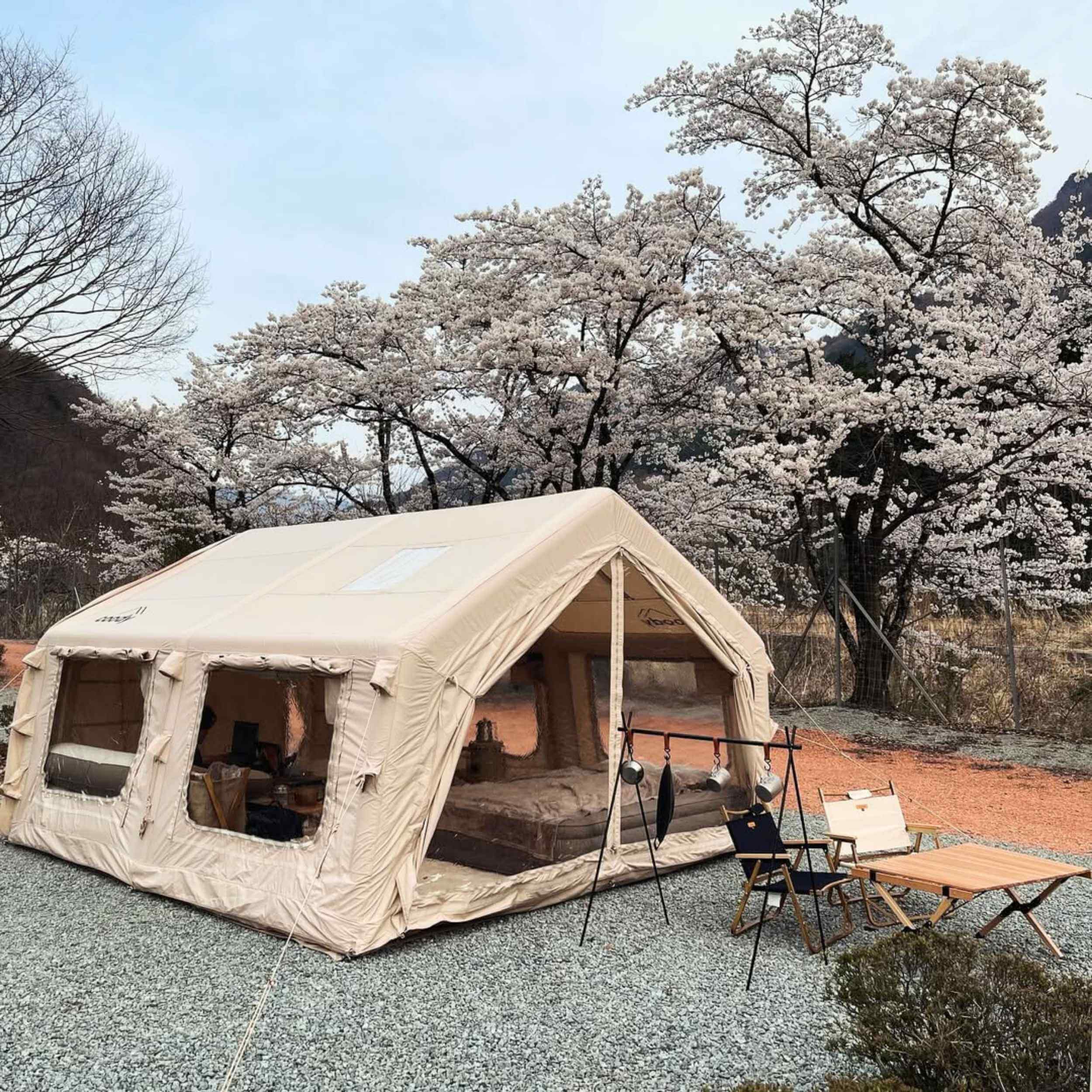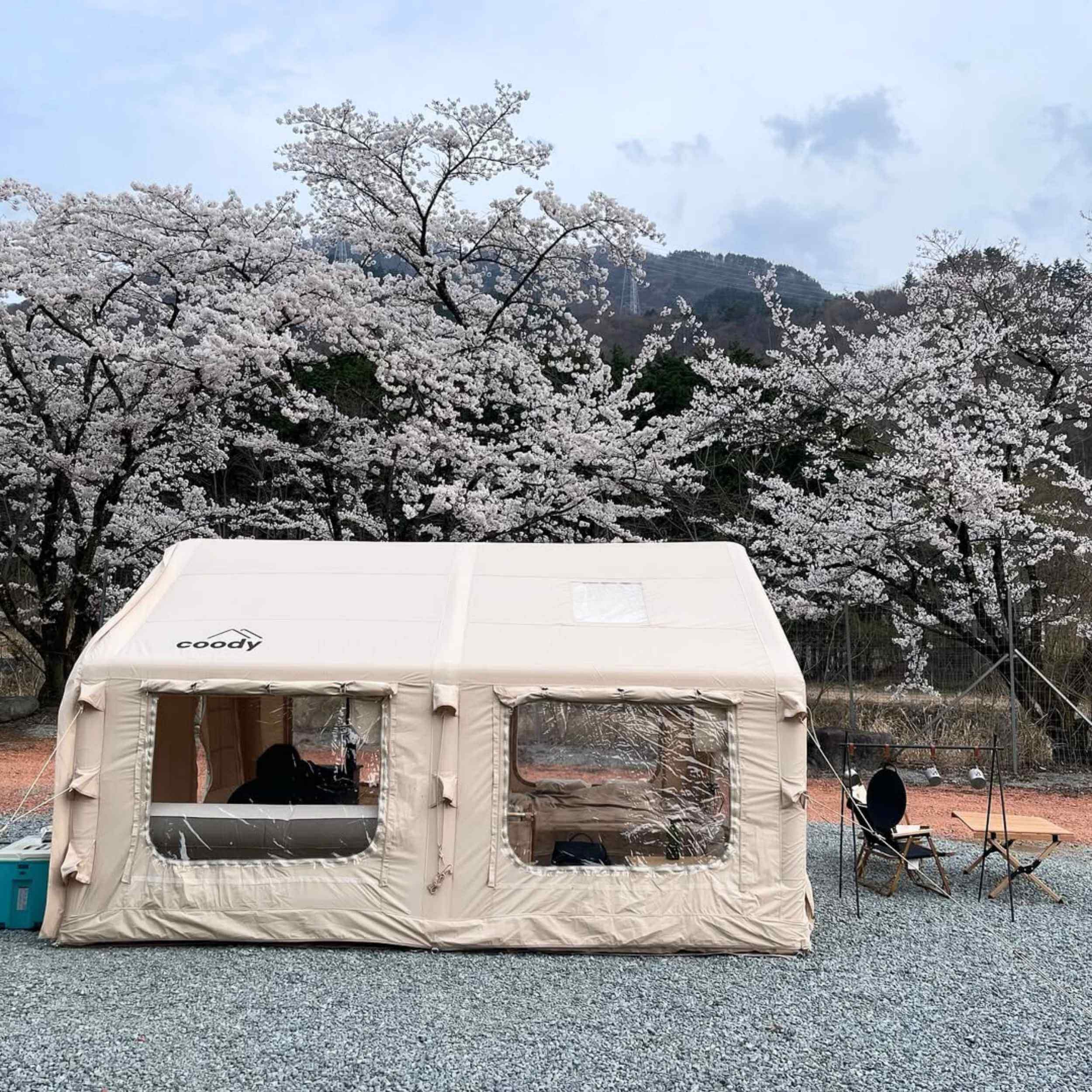


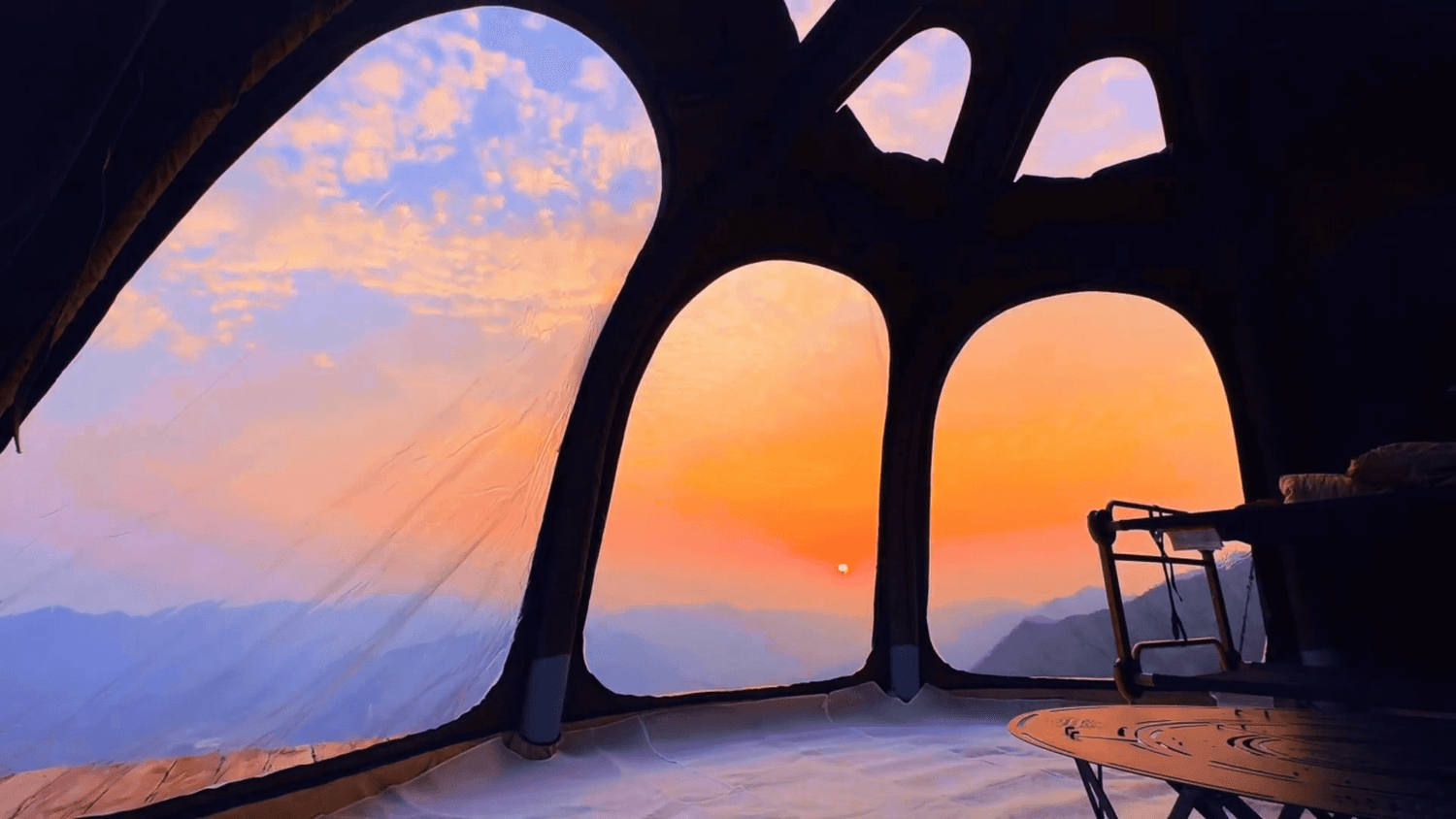
Acampar ofrece la escapada perfecta de la rutina diaria; sin embargo, para muchos, dormir al aire libre puede ser un desafío. Tanto si eres un mochilero experimentado como si acampas por primera vez, aprender a dormir cómodamente mientras acampas es clave para disfrutar de tu tiempo en la naturaleza. Esta guía te guiará por todos los aspectos del sueño al aire libre, desde la elección de tu lugar de acampada hasta la configuración de tu rutina para dormir, para que te despiertes descansado y listo para la aventura.
Comprender las necesidades de sueño


La importancia de dormir al aire libre
Dormir bien es más que solo descansar: es el botón de reinicio de tu cuerpo. Al acampar, tu gasto energético suele aumentar debido al senderismo, el remo o simplemente a la exposición a los elementos. Un sueño reparador ayuda a que tus músculos se recuperen, favorece la claridad mental y fortalece tu sistema inmunitario.
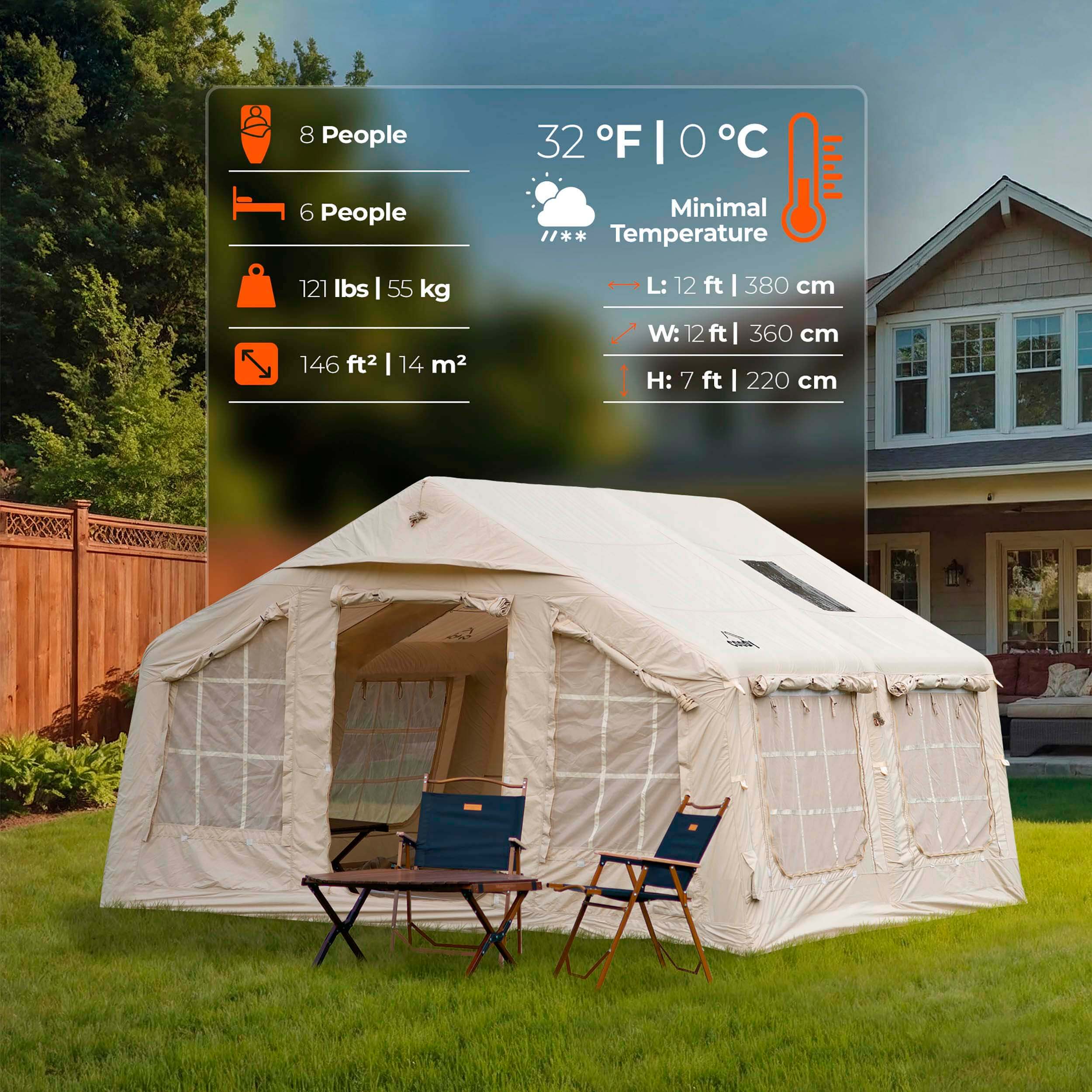
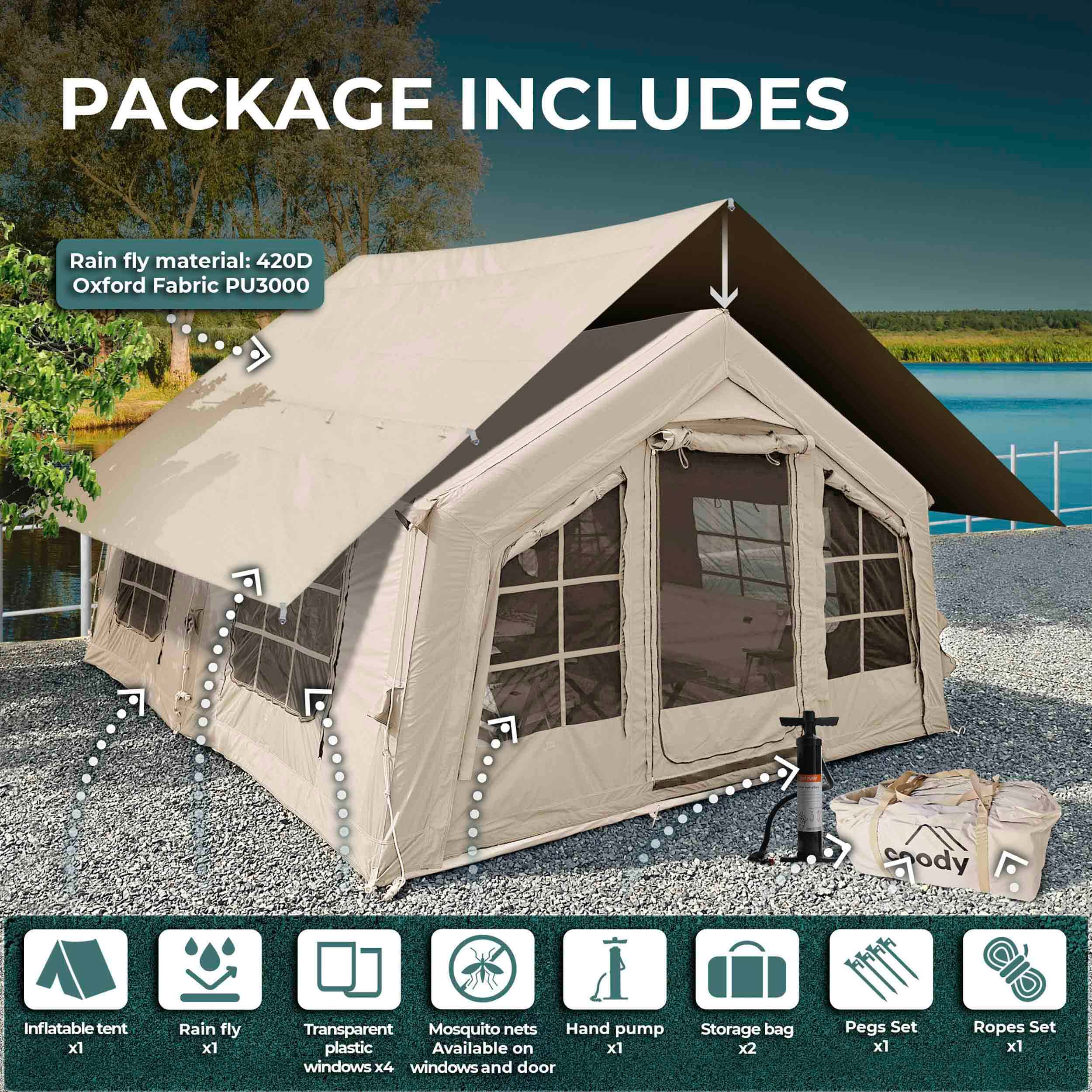
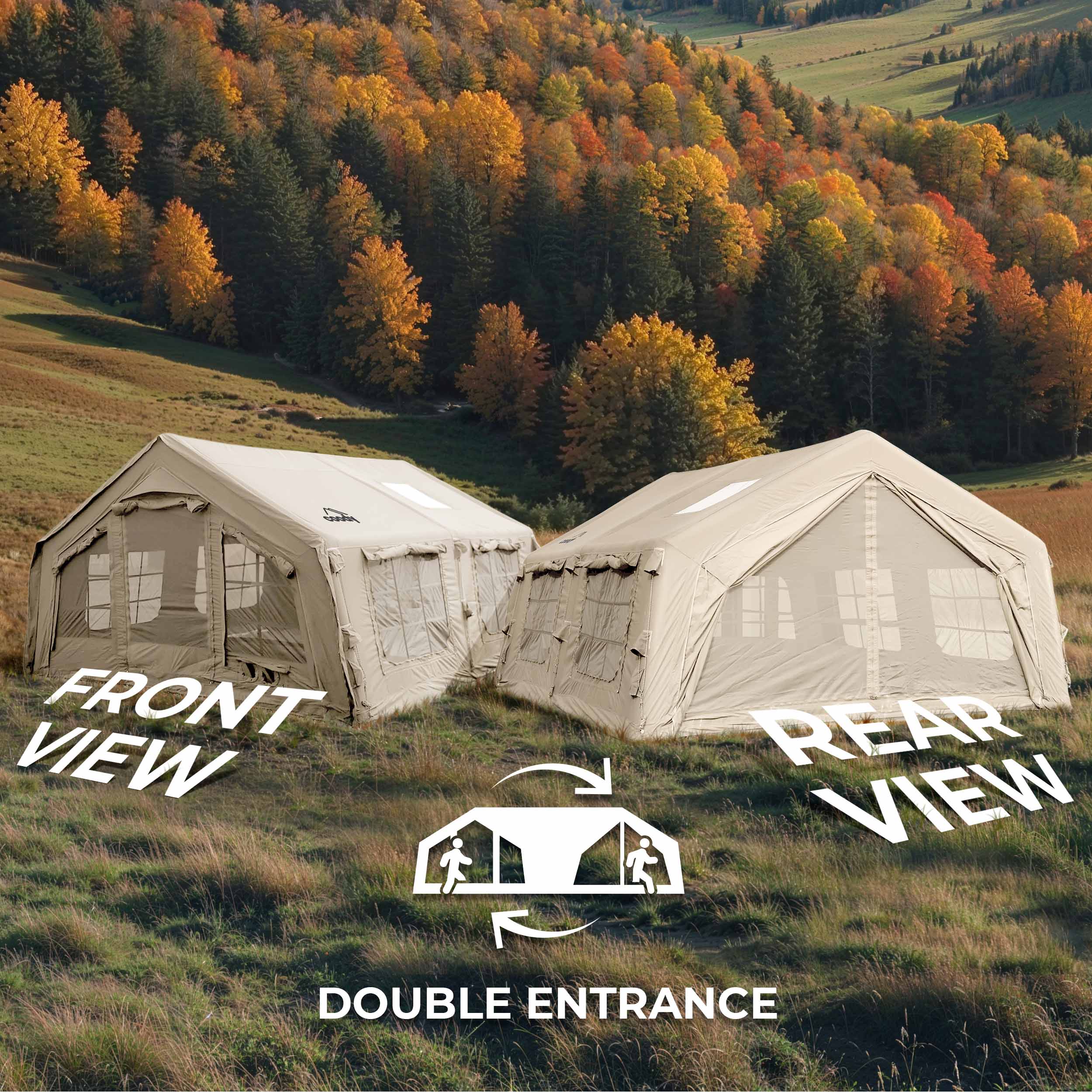
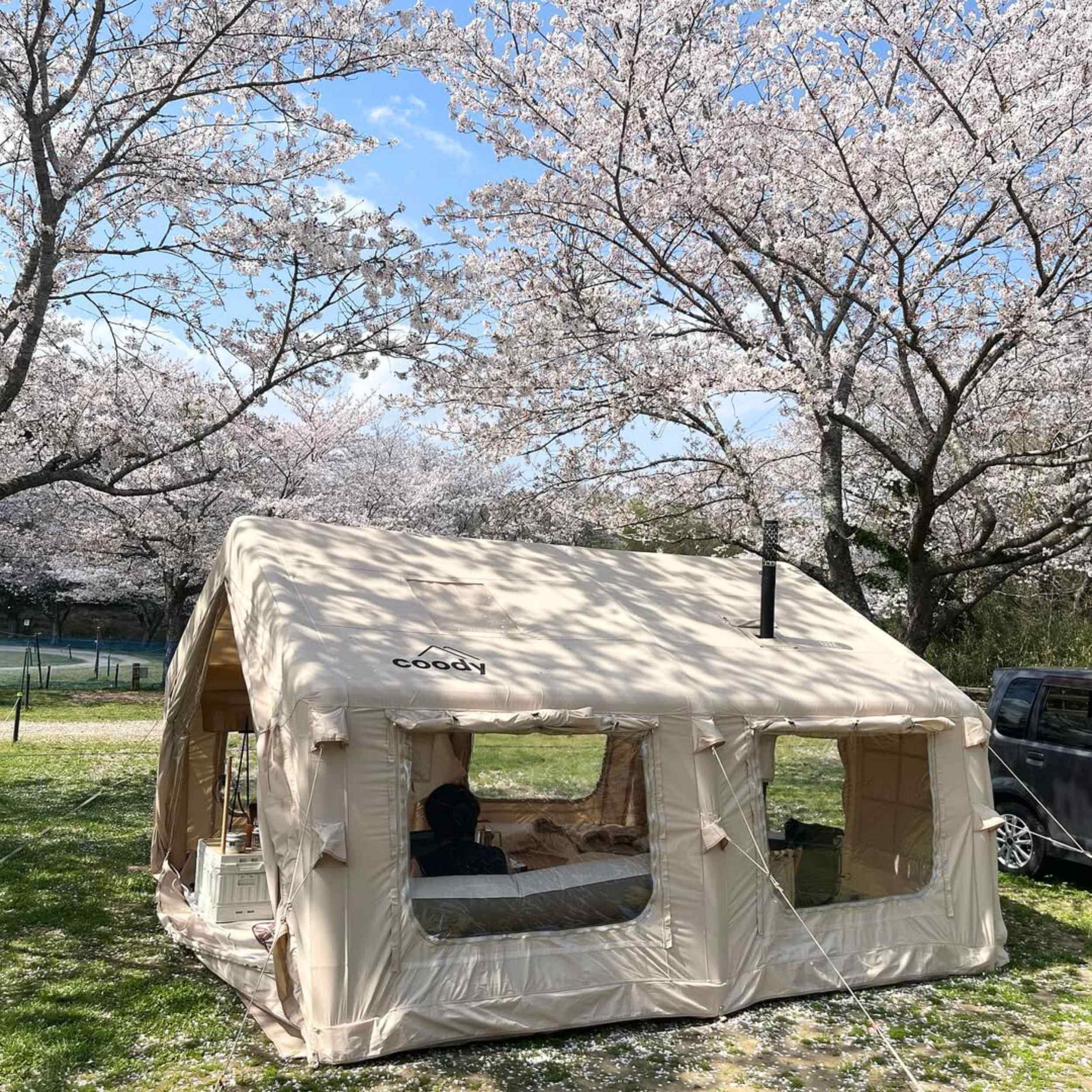
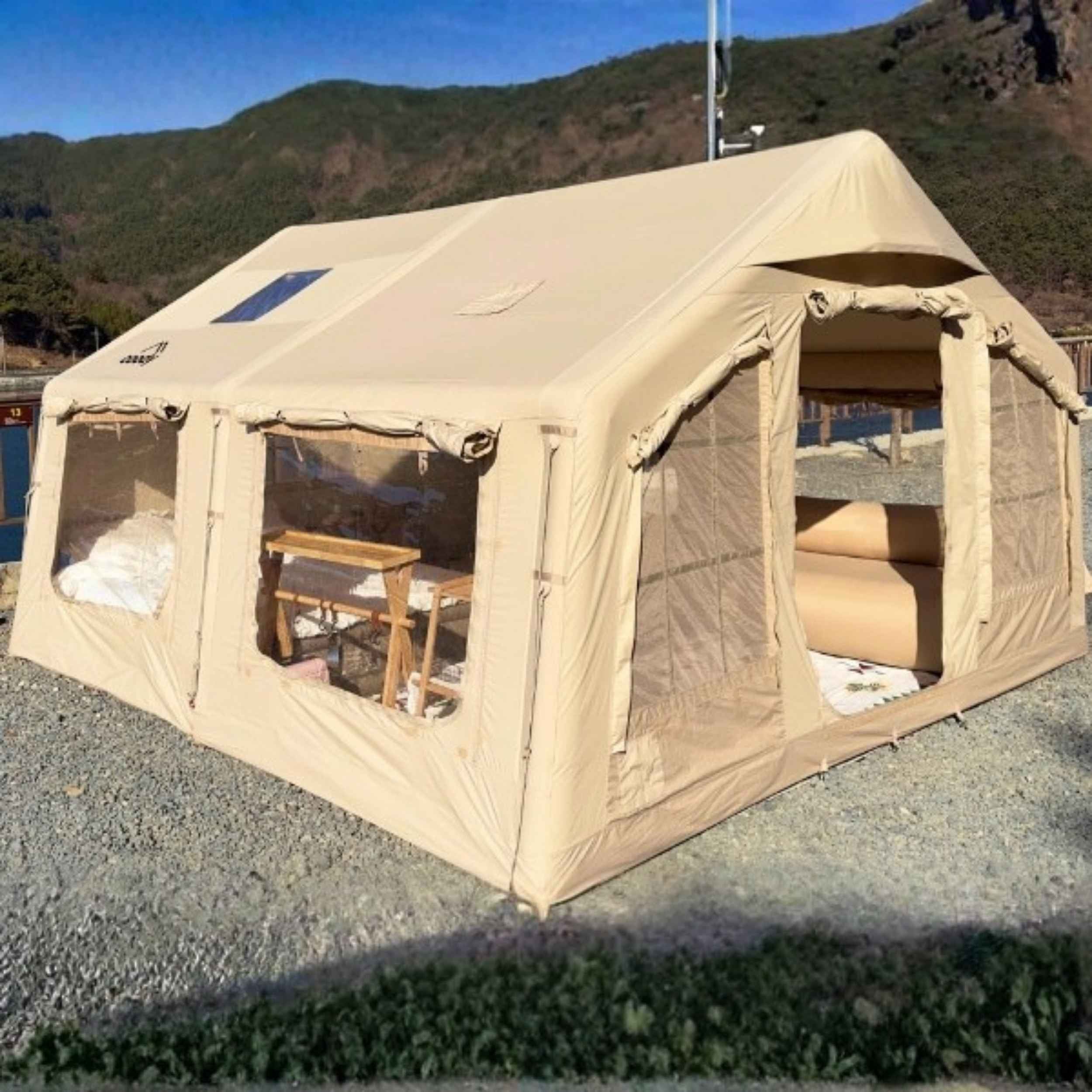
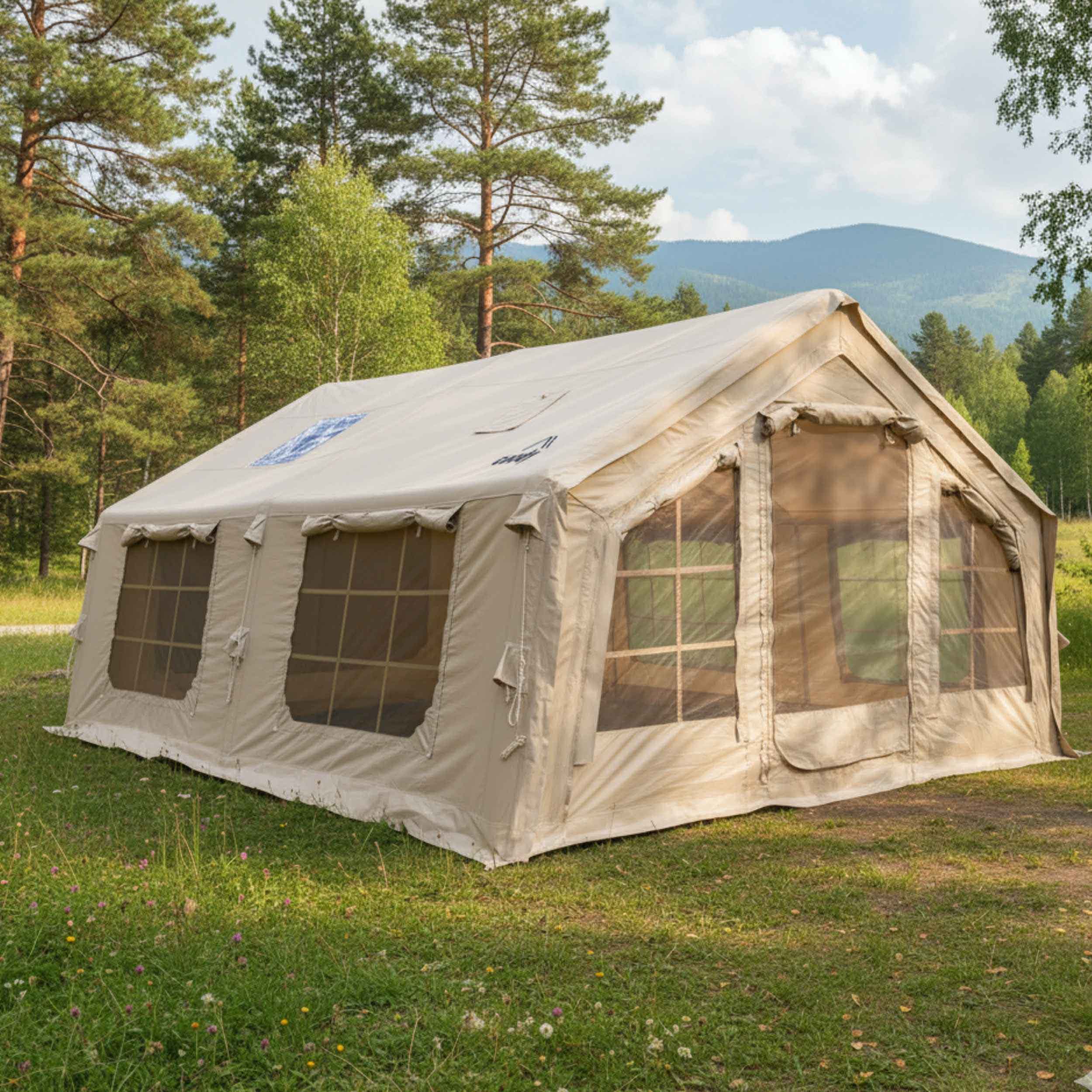
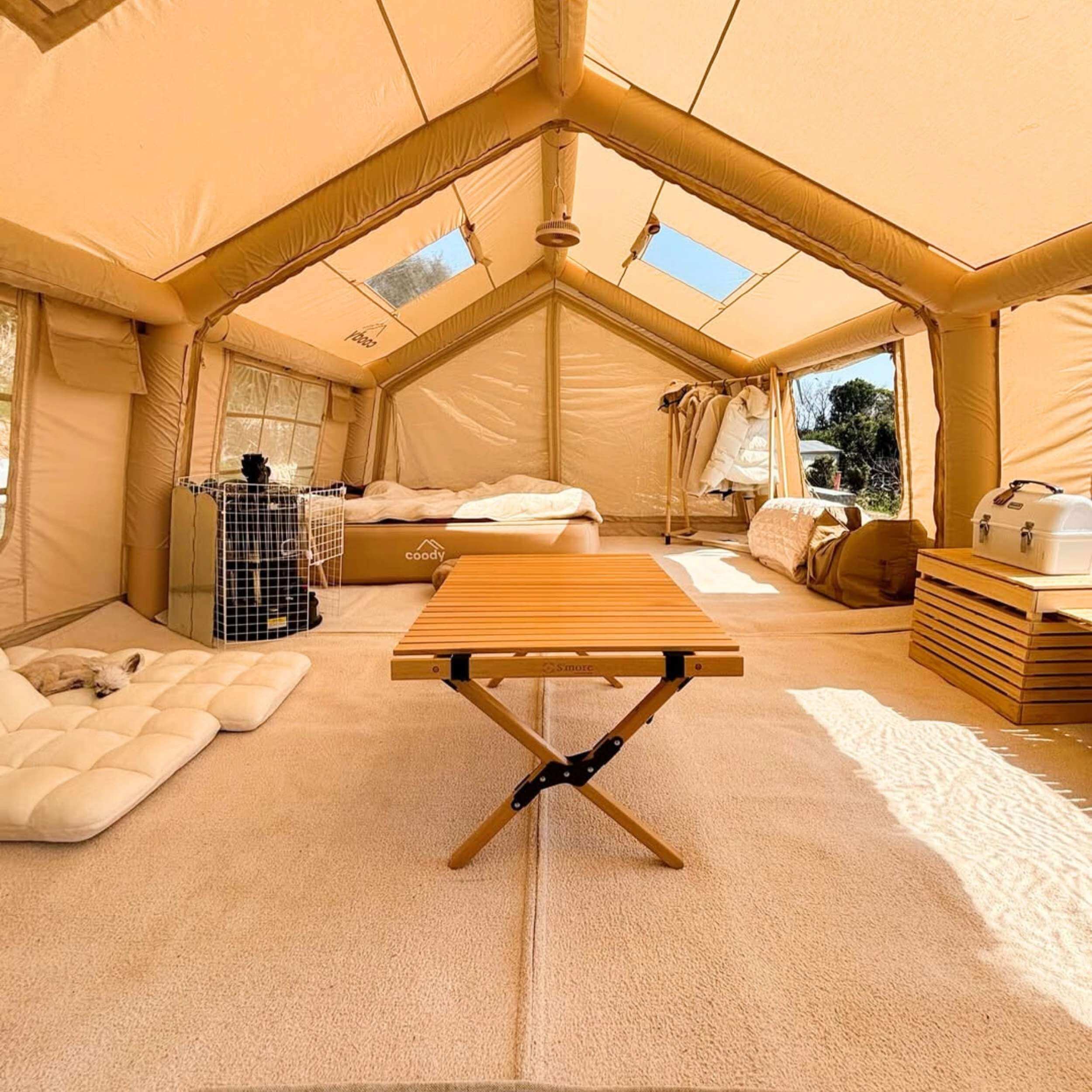
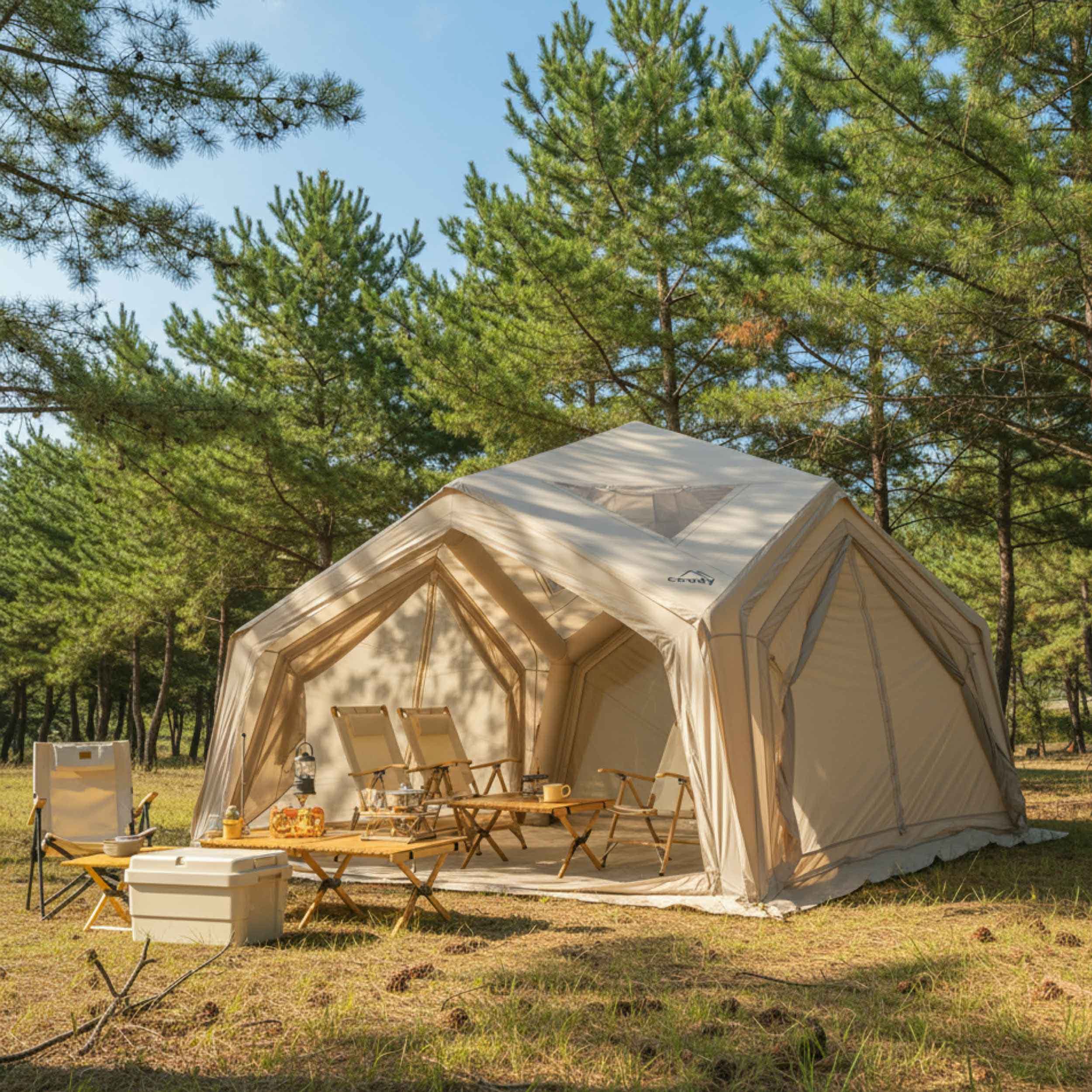
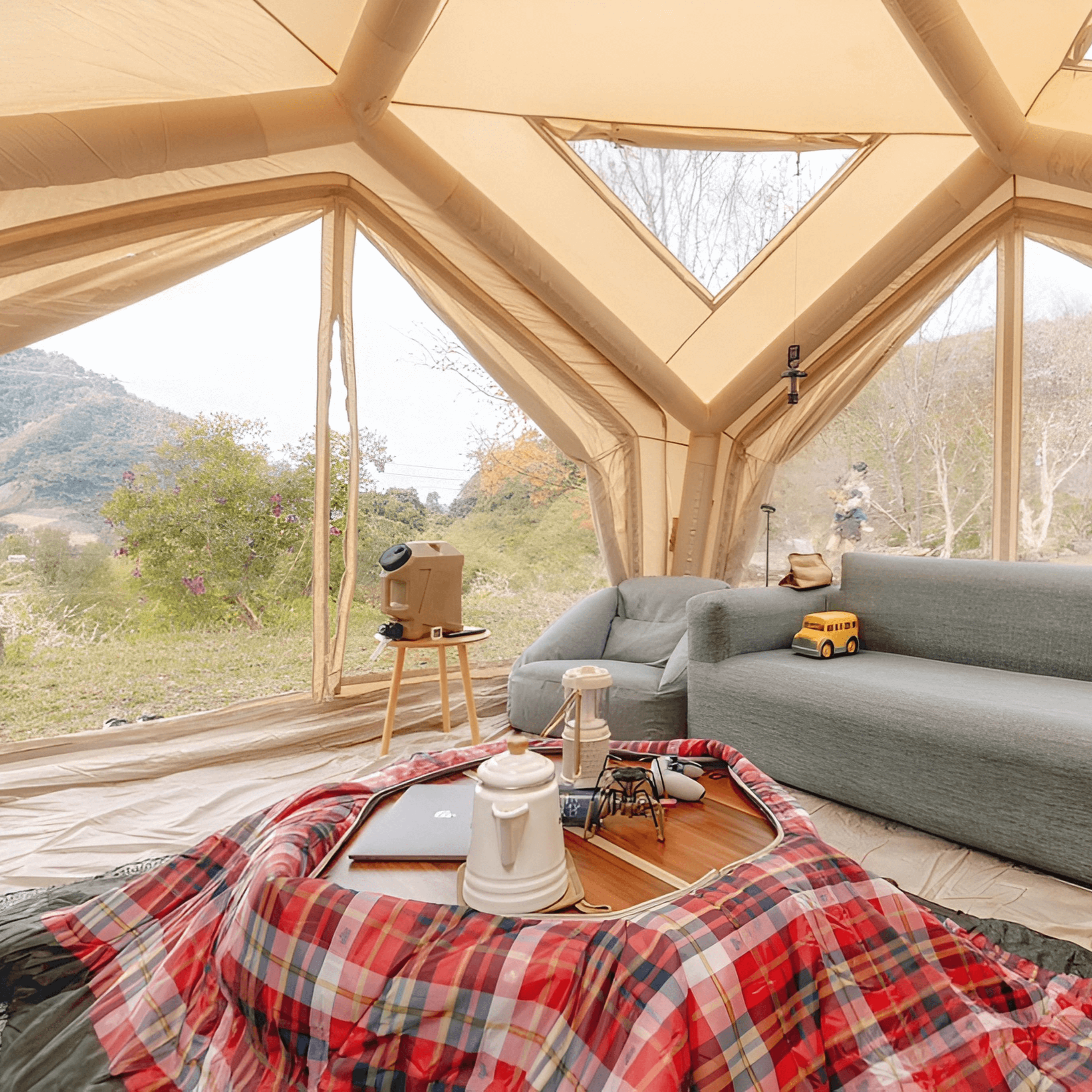
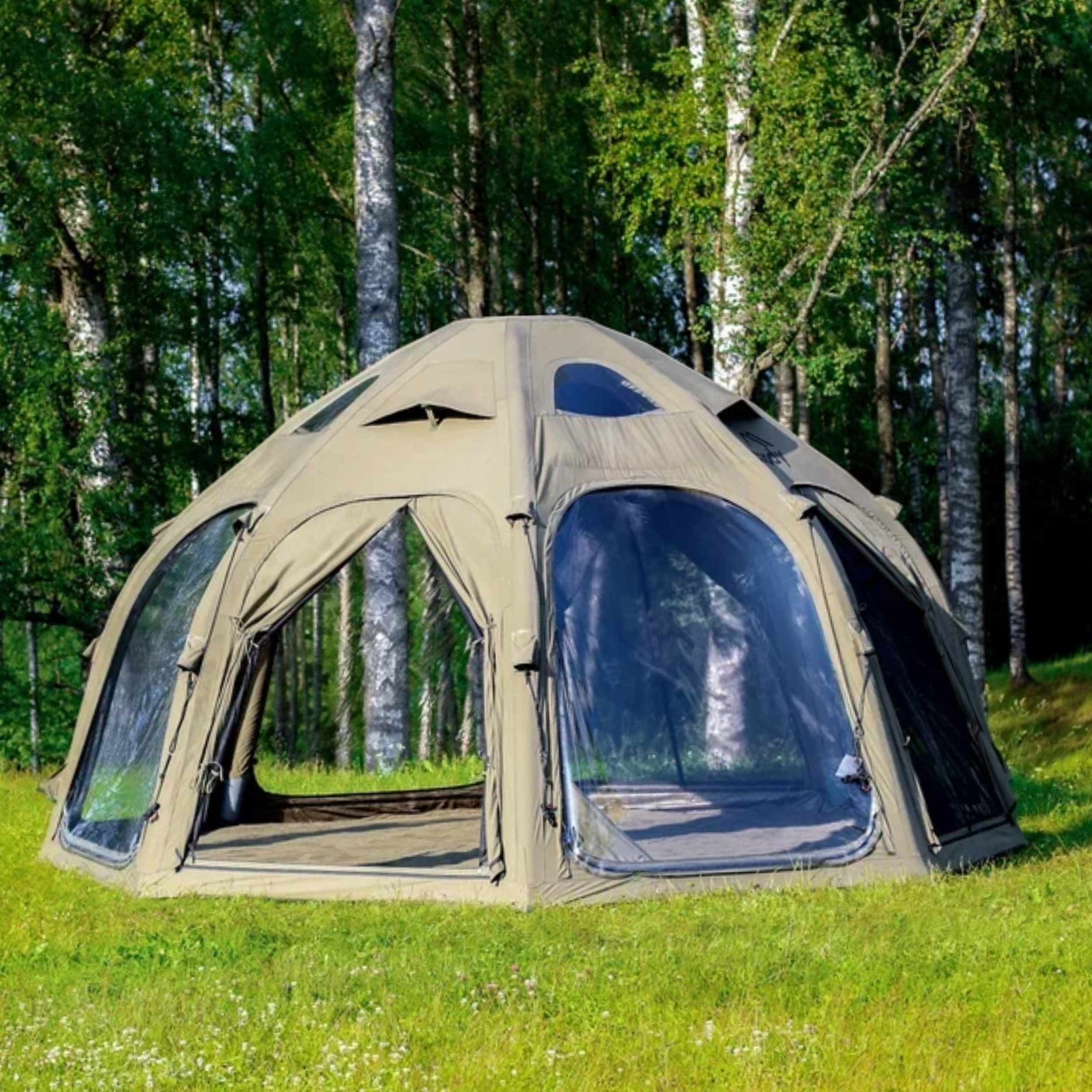
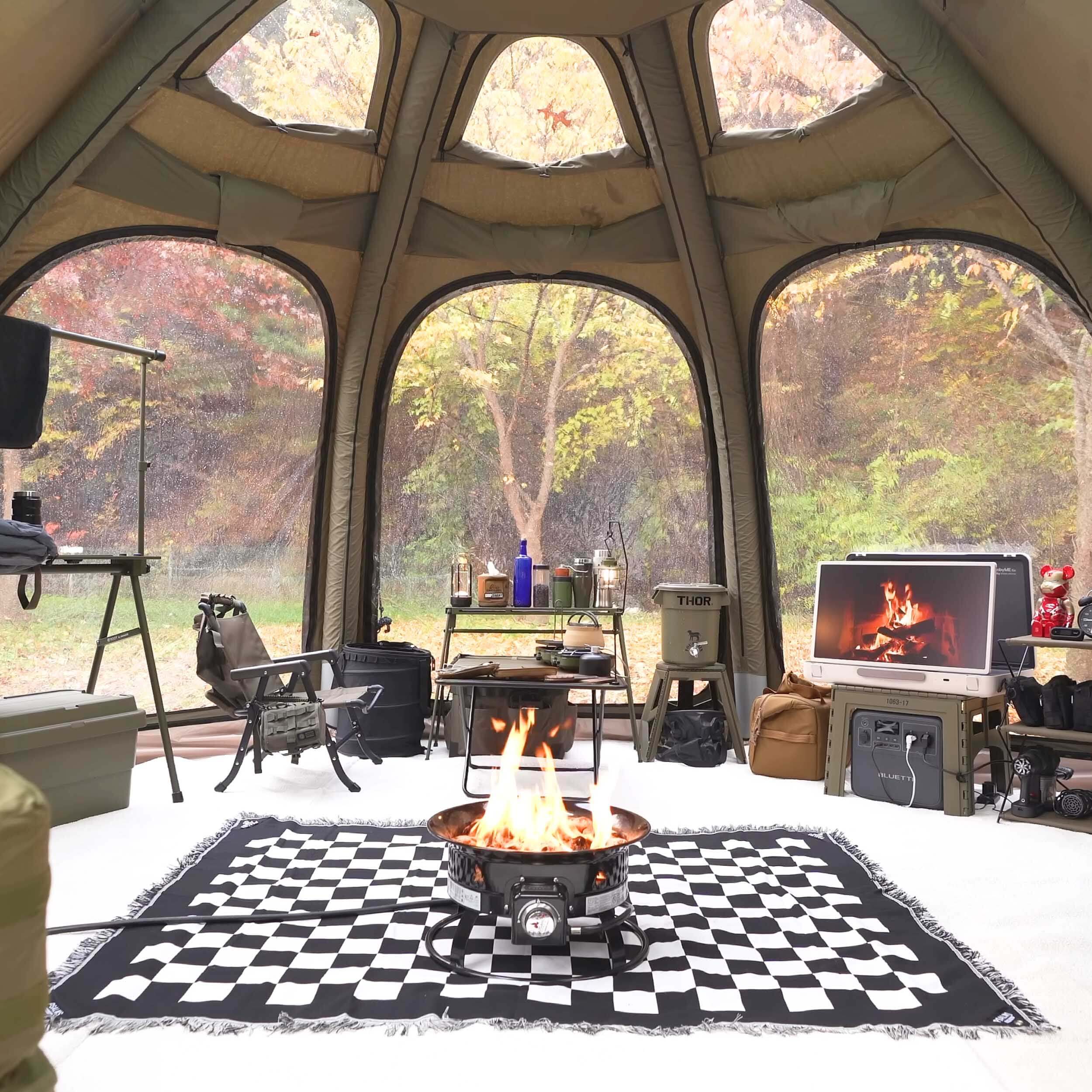
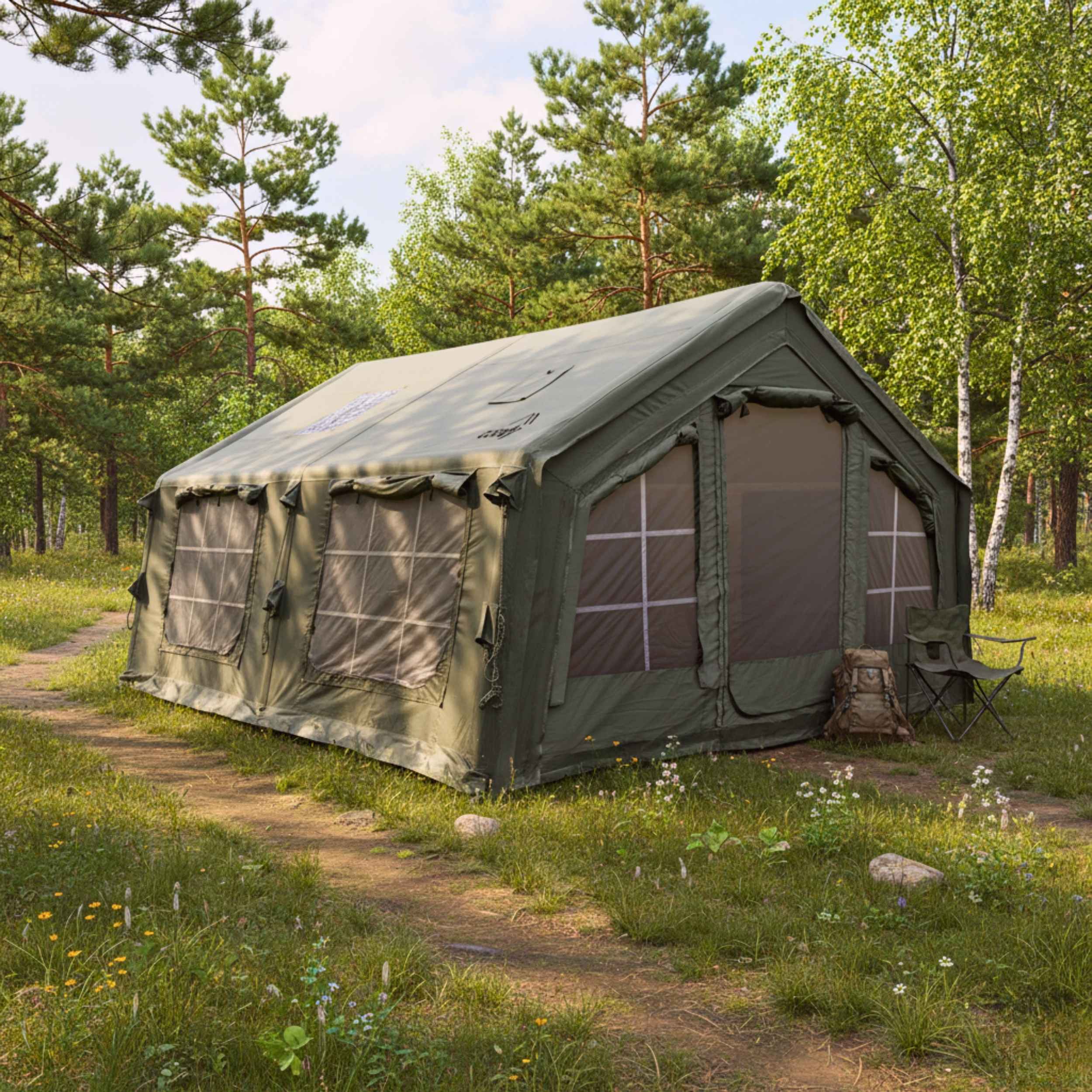
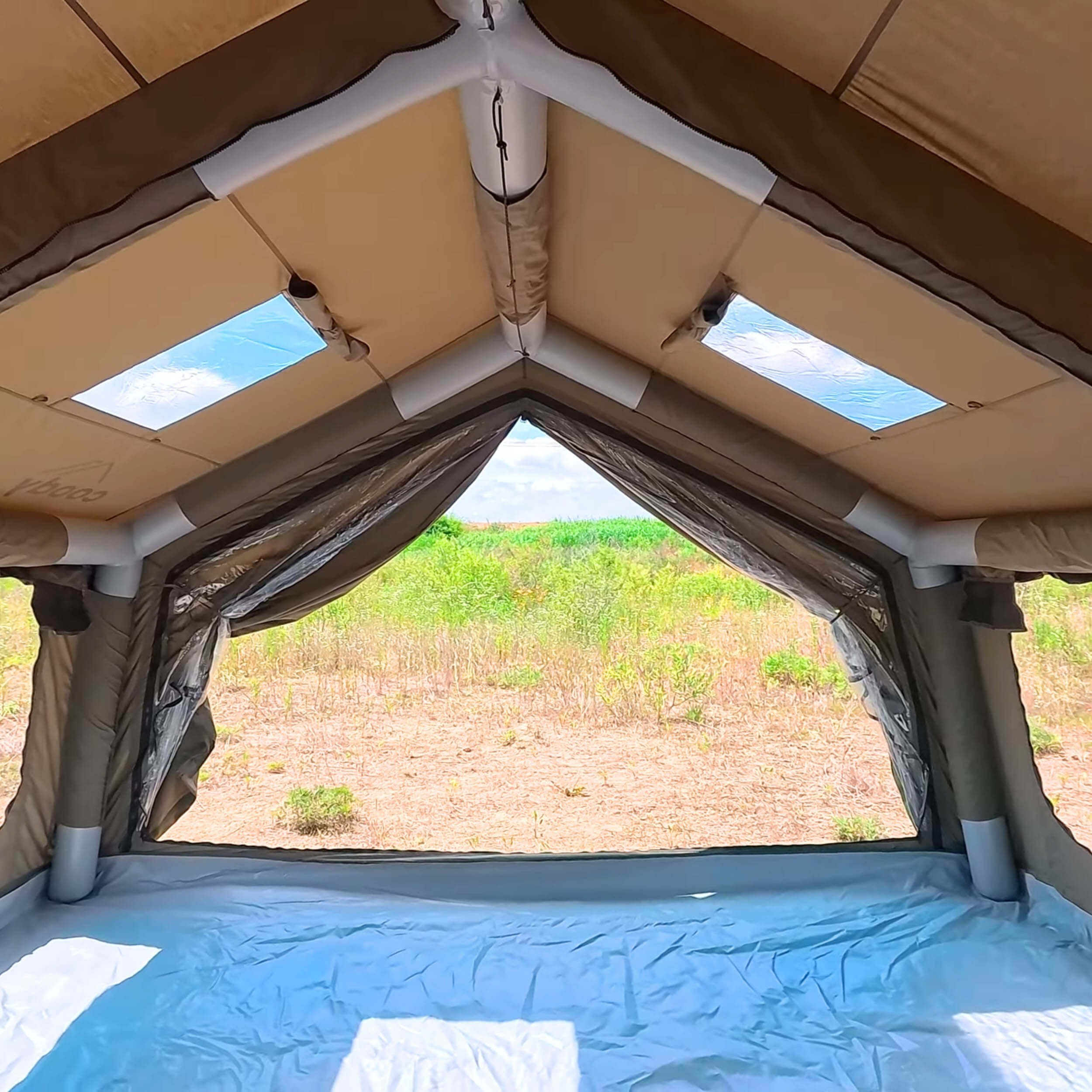
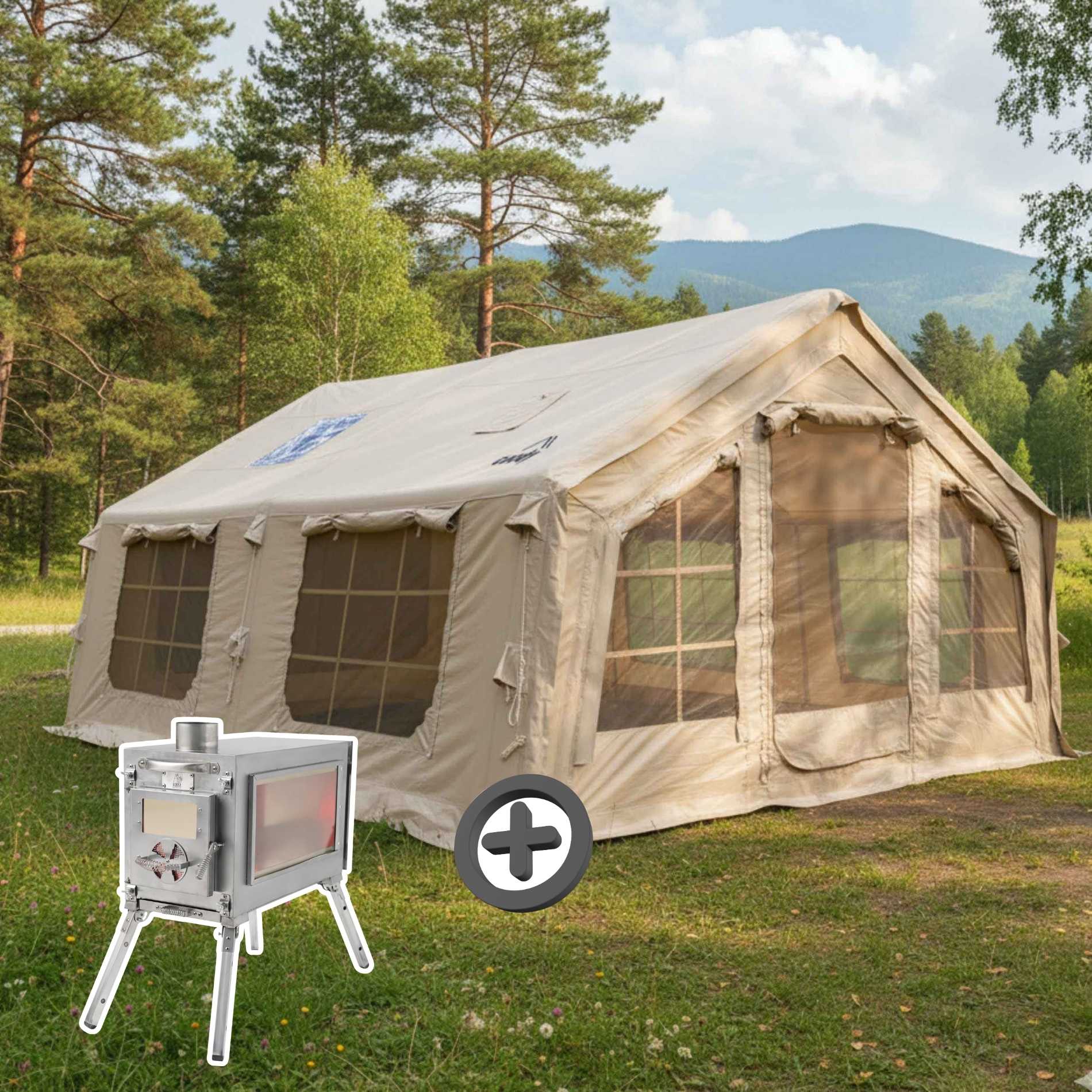
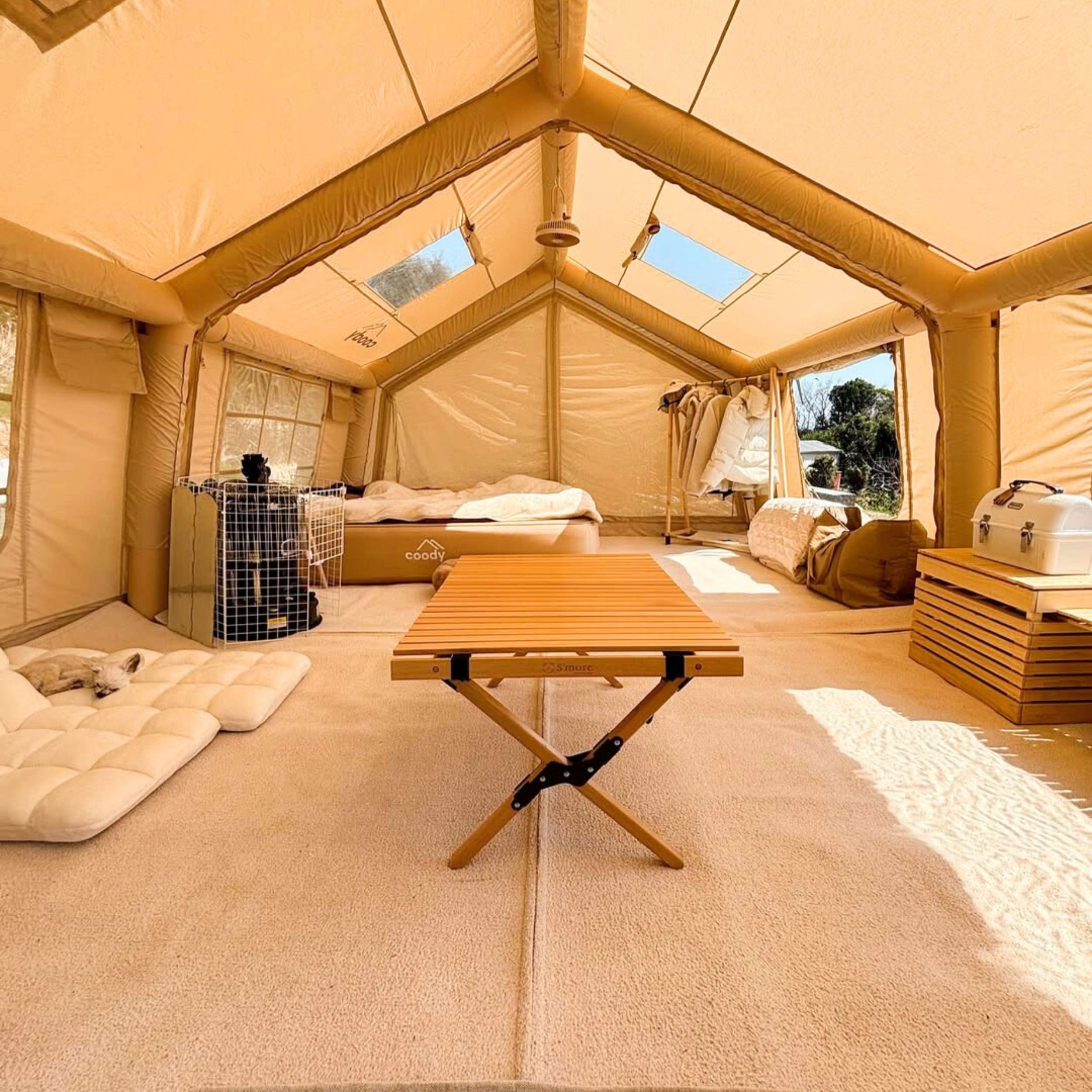
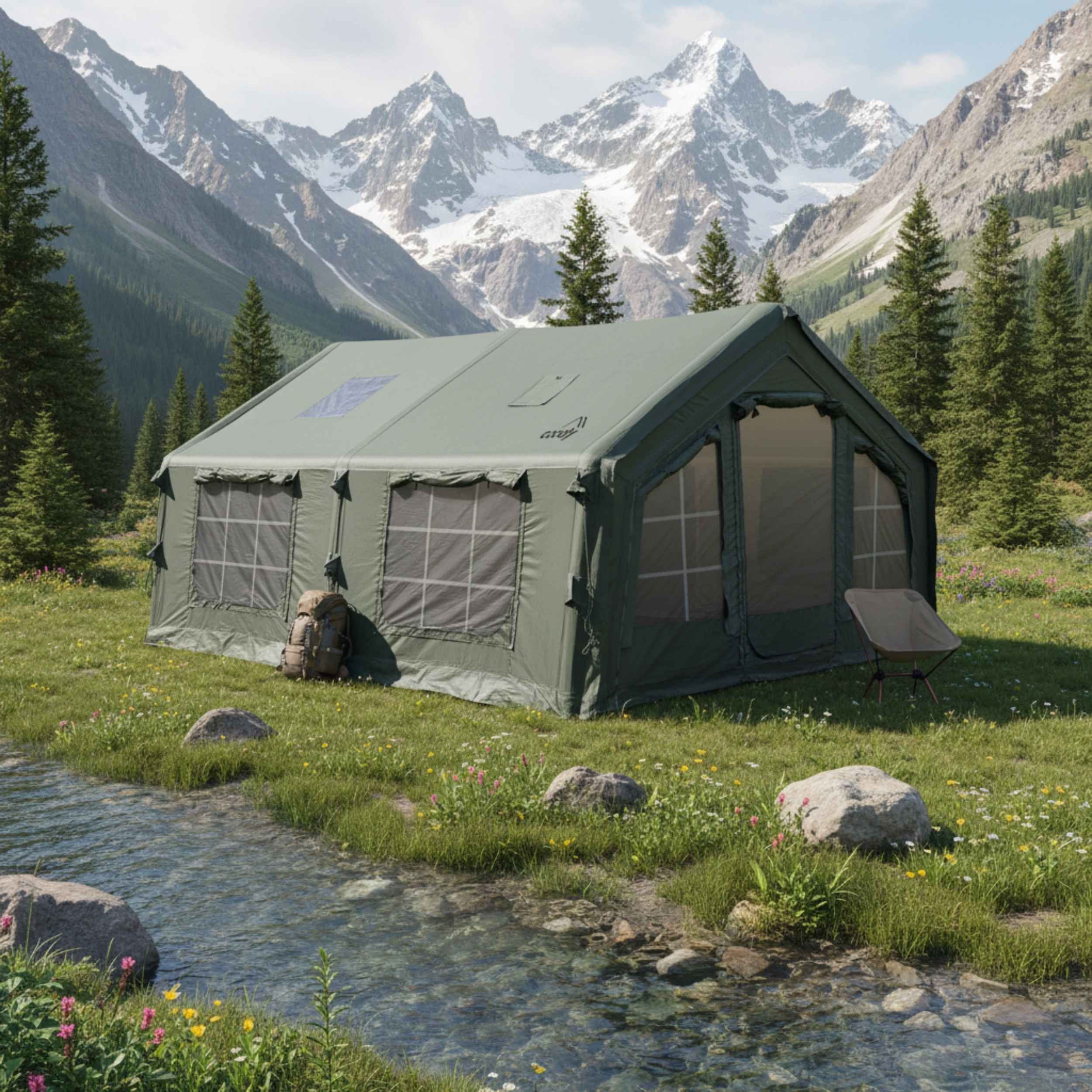
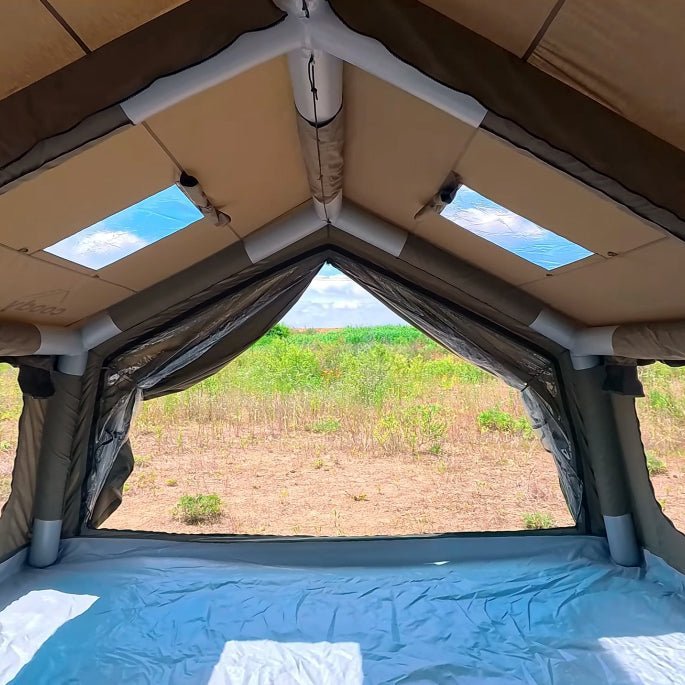
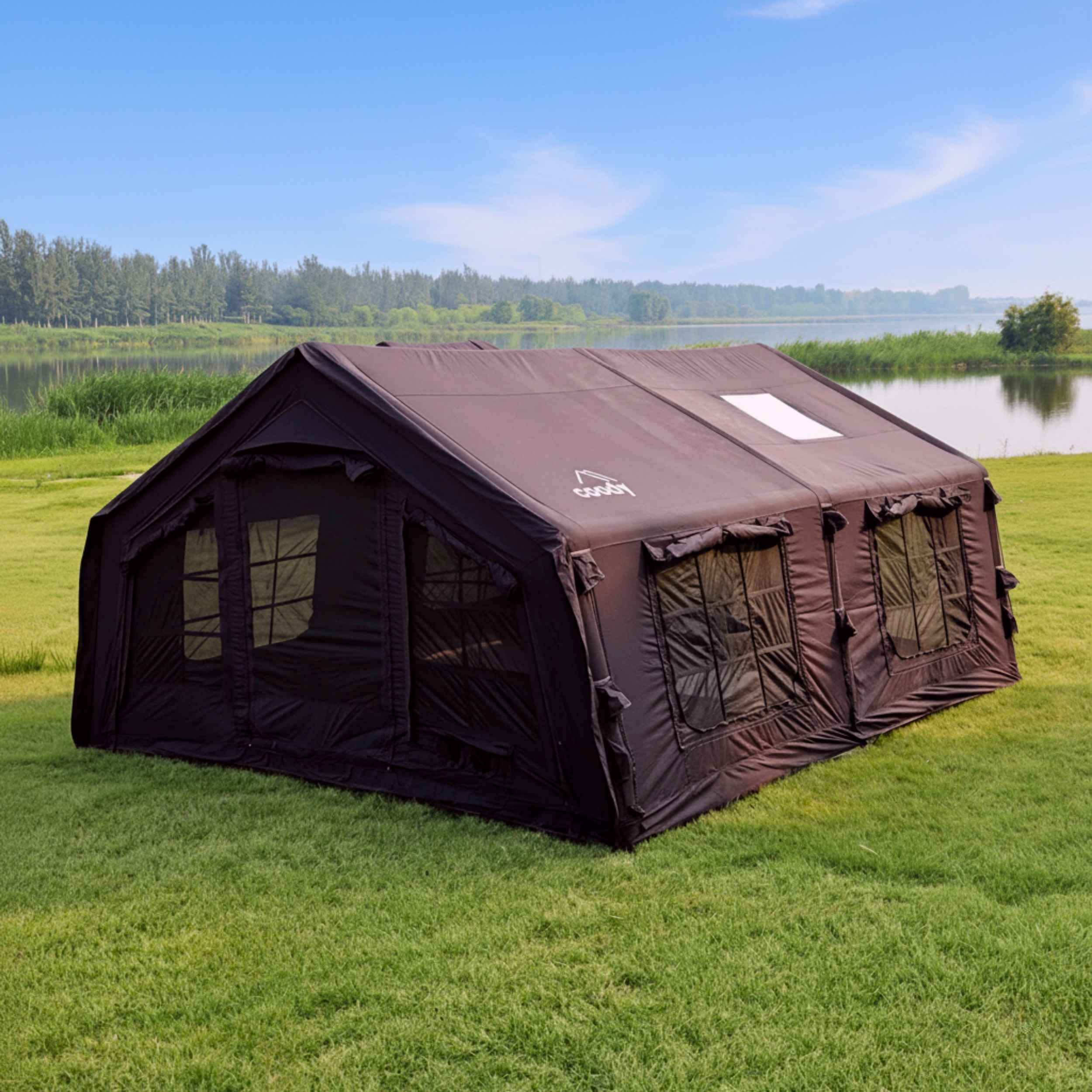
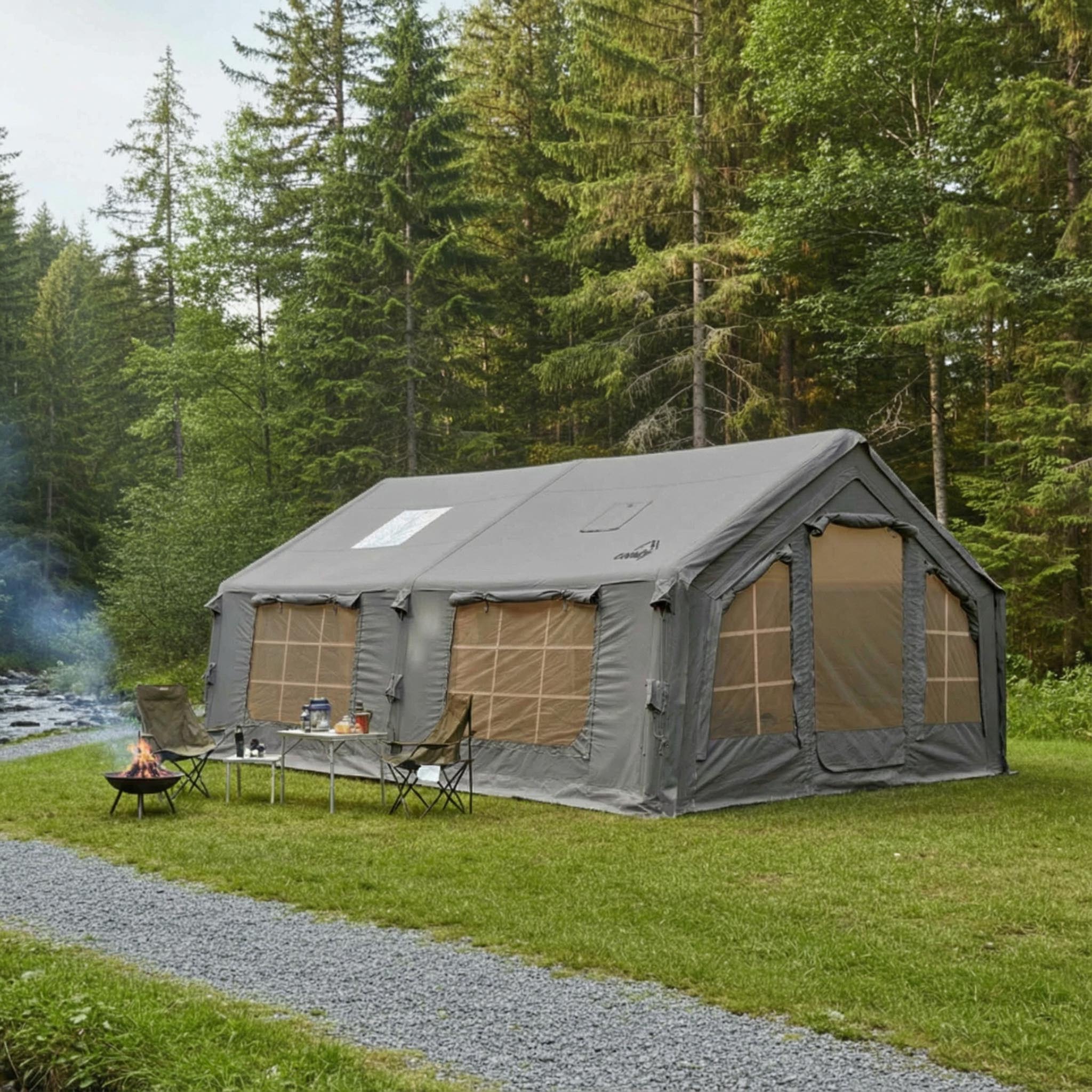
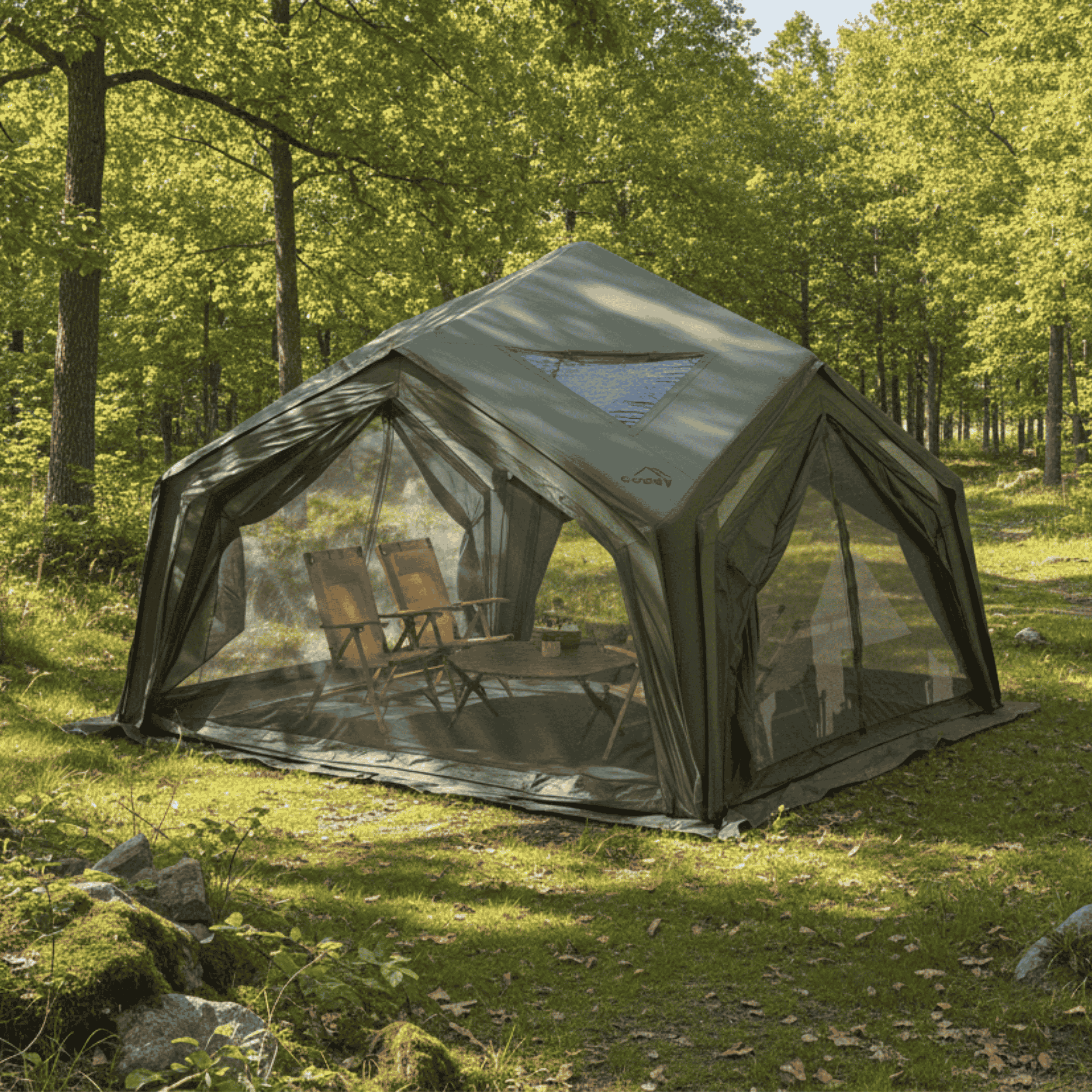
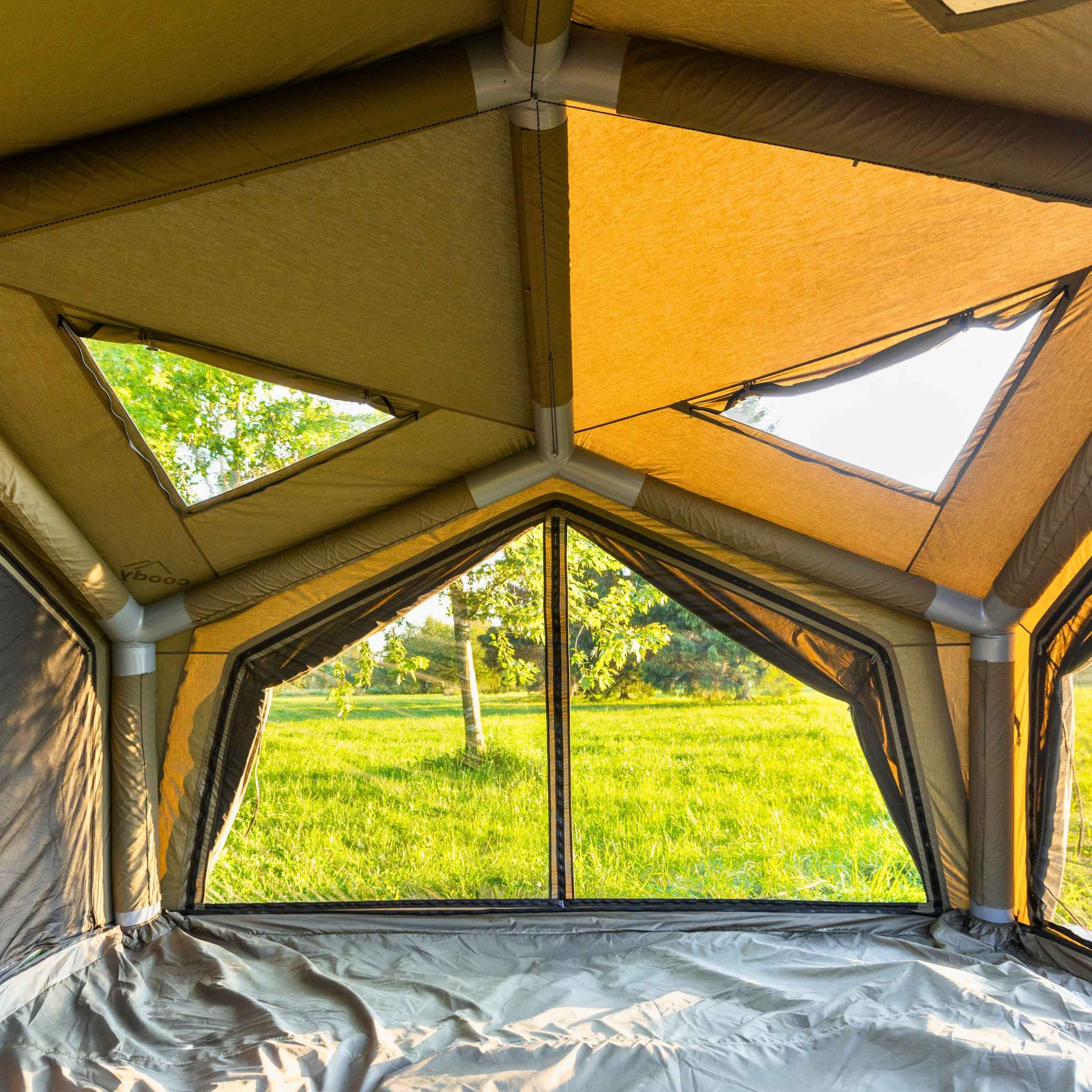
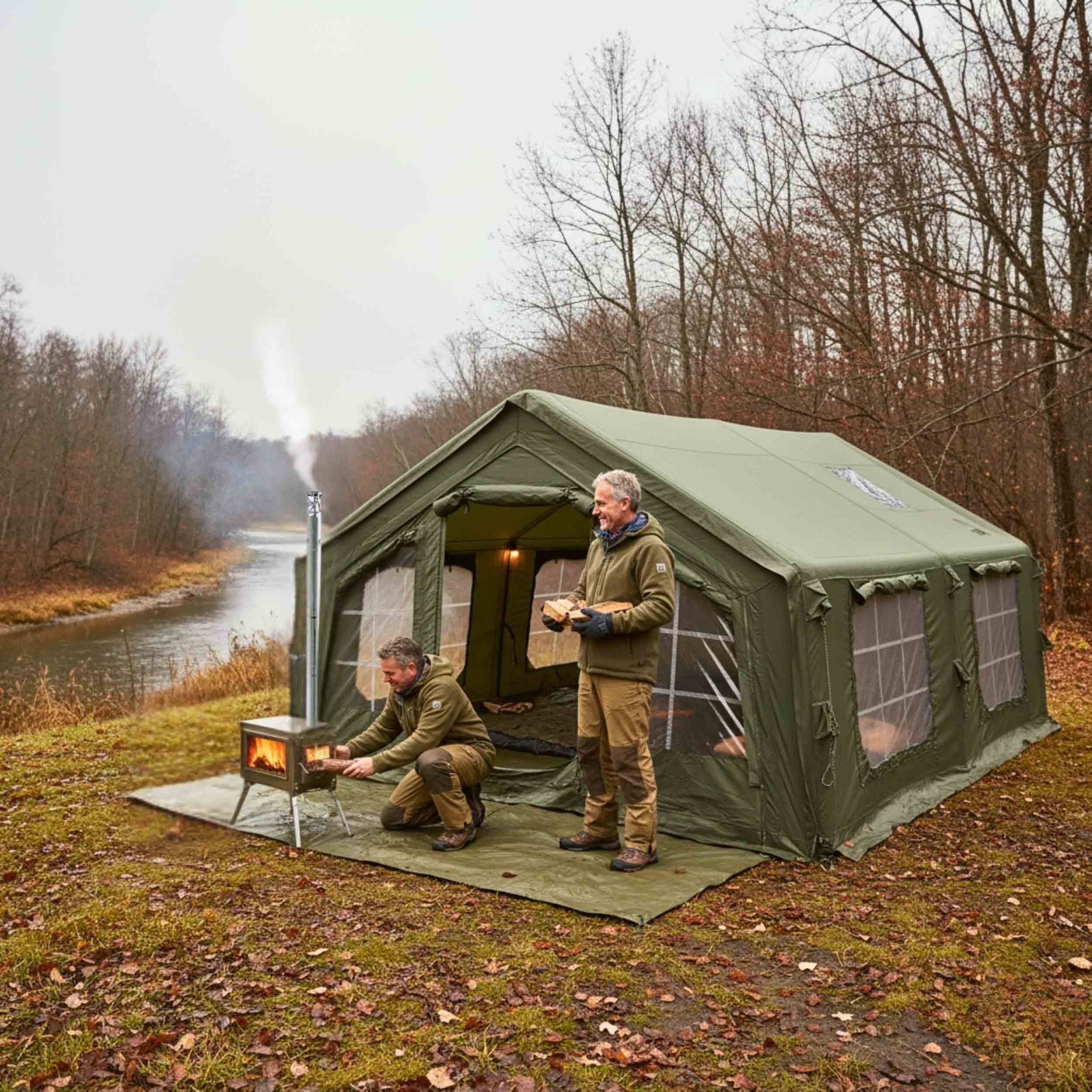
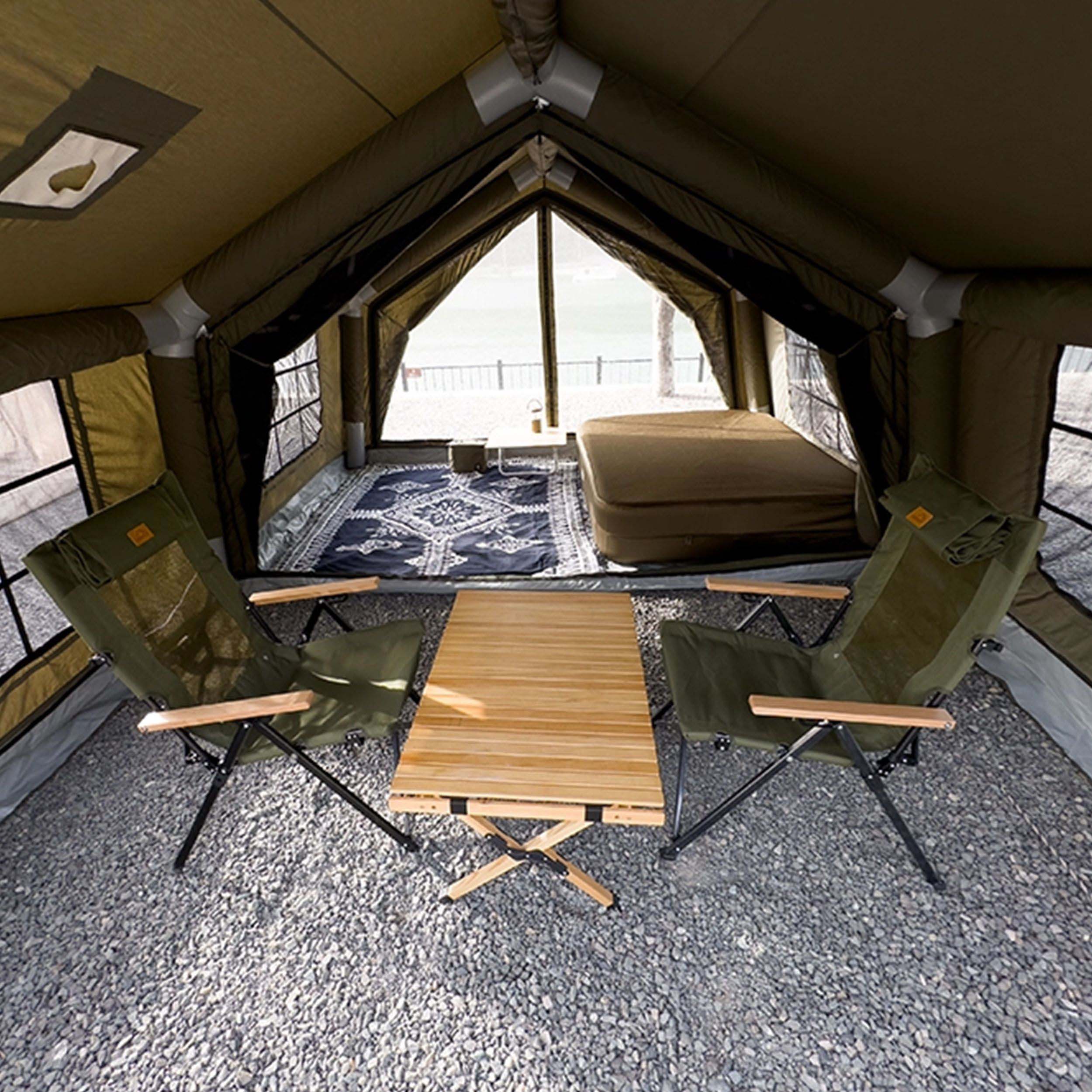
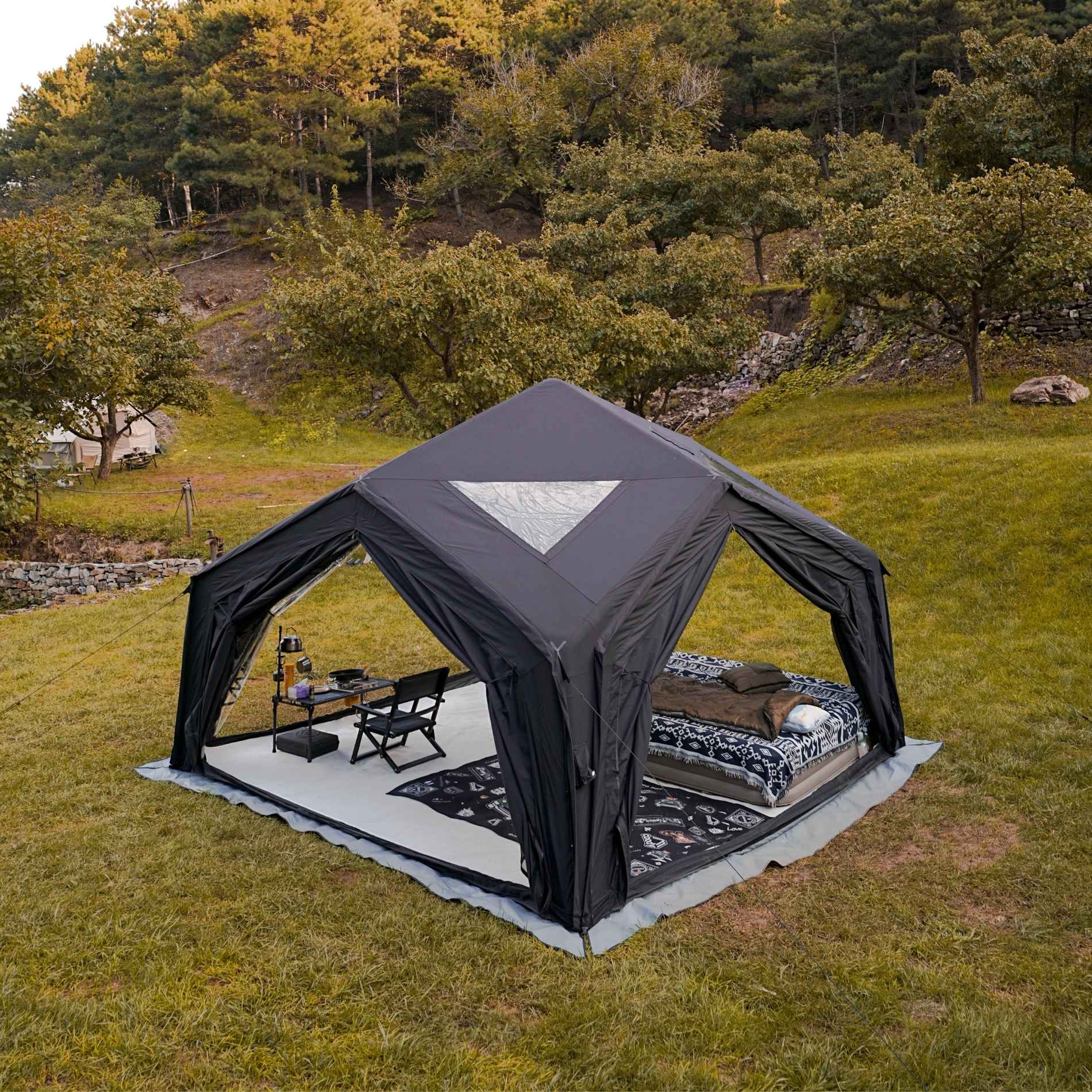
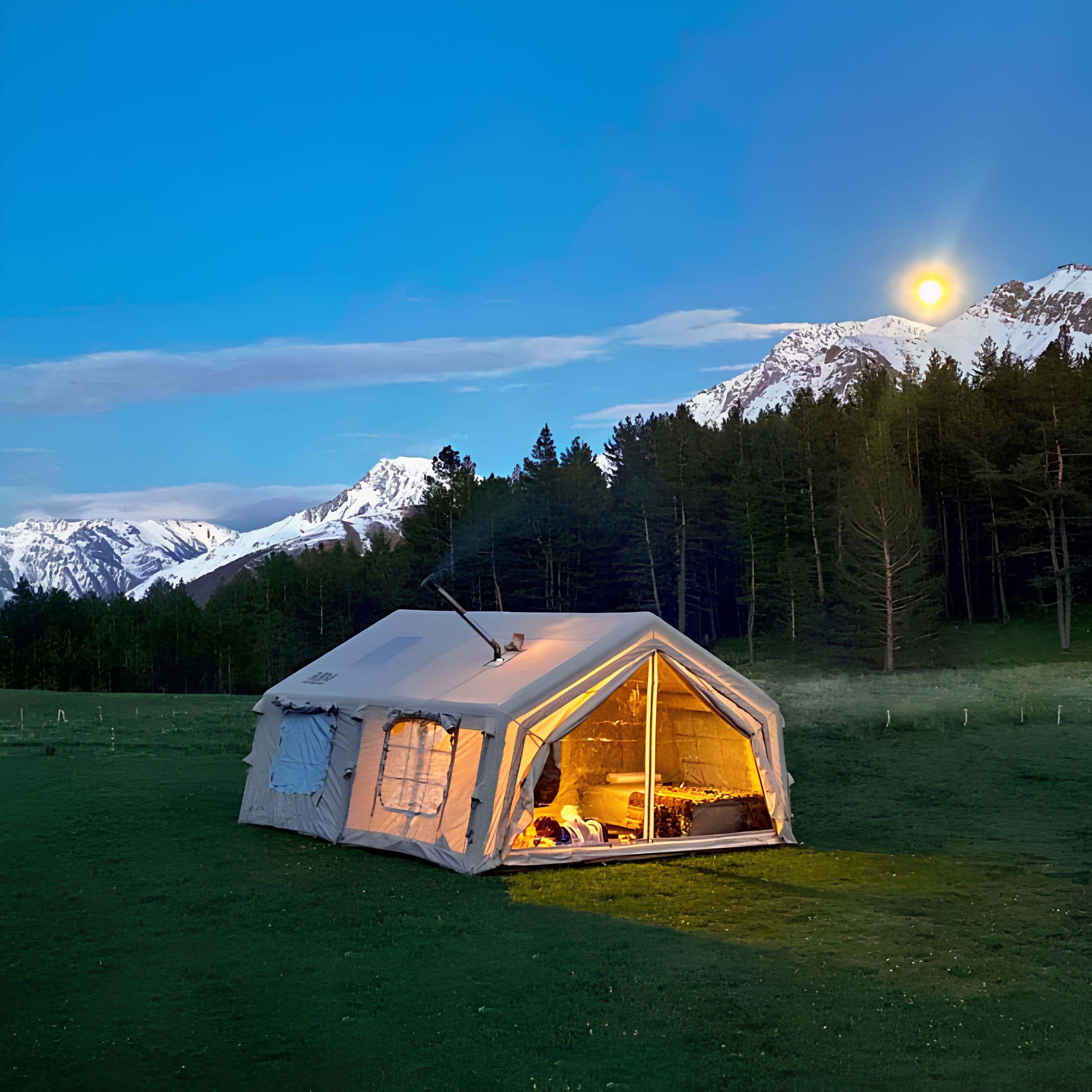
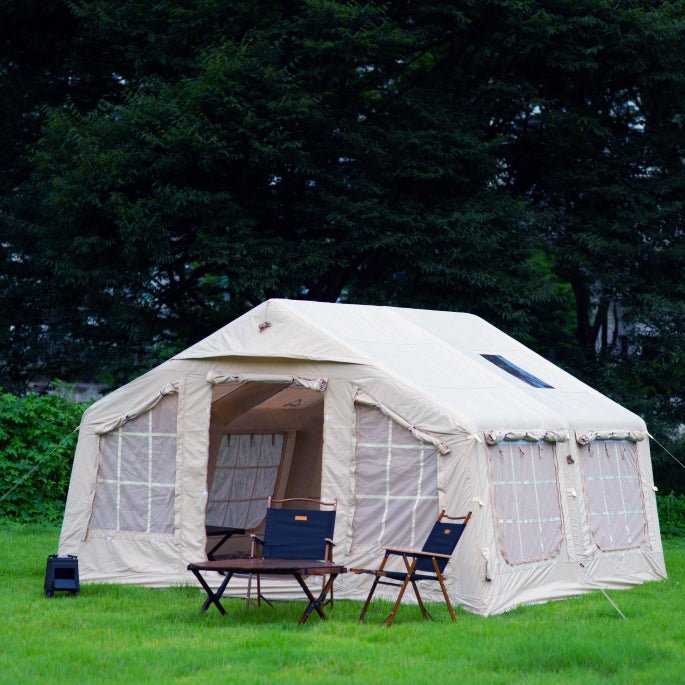
¡Conoce nuestros productos y elige el mejor para tu campamento!
 Coody 17.2
 Cúpula Aurora de Coody
 Coody 13.6
 Centro Coody
 Coody 10
 Coody 8
Cómo afecta el sueño al rendimiento
Sin suficiente descanso, tu capacidad de decisión, resistencia y coordinación pueden verse afectadas. Esto no solo es un inconveniente, sino que también puede ser peligroso, especialmente en entornos de travesía. Intenta dormir de 7 a 9 horas de calidad, como lo harías en casa.
Cómo elegir el camping adecuado


Encontrar un lugar plano y nivelado
La mejor manera de dormir cómodamente empieza por la ubicación. Busca un lugar plano, nivelado y sin piedras ni raíces. Incluso pequeñas pendientes o escombros debajo de la tienda pueden resultar incómodos o hacer que te resbales por la noche.
Cómo evitar superficies frías
Dormir directamente sobre el suelo frío puede alejar el calor corporal. Siempre que sea posible, elija zonas con hierba o bosque en lugar de tierra o rocas, y utilice siempre una barrera de tierra, como una pisada o una lona, debajo de la tienda.
Consideraciones de privacidad y seguridad
Sentirse seguro es esencial para dormir bien. Monta tu tienda de campaña en un lugar que ofrezca cierta cobertura visual, pero que también permita visibilidad. Si estás en un camping público, aléjate de los caminos y baños comunes para reducir el ruido y la luz.
¡Consulta nuestros accesorios de camping y elige el mejor para tu campamento!
Configuración de su sistema de sueño

Cómo elegir el saco de dormir adecuado
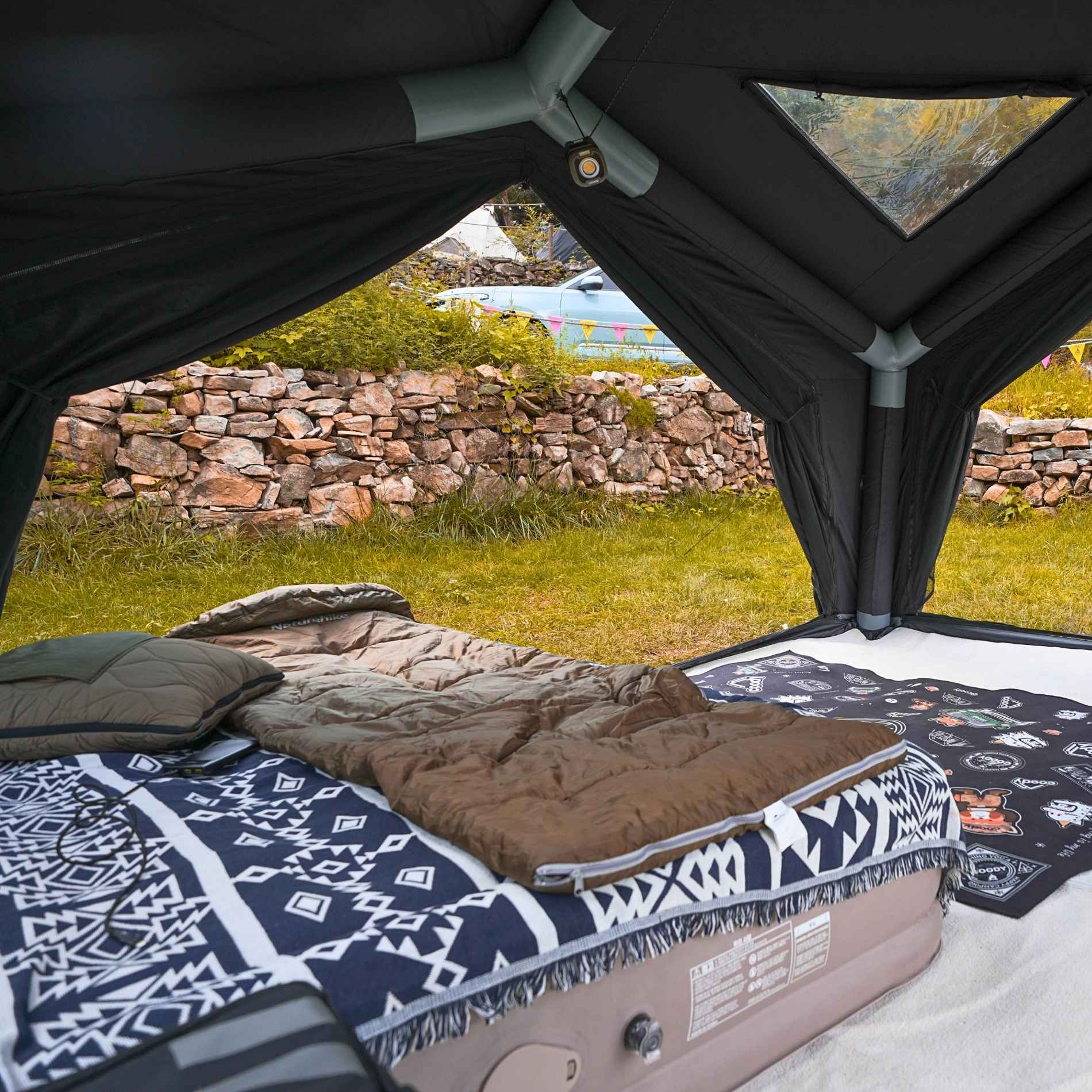
Elige un saco de dormir adecuado para el rango de temperatura previsto para tu viaje. Los sacos de dormir tipo momia ofrecen una excelente retención del calor, mientras que los sacos rectangulares permiten mayor movimiento. Elige siempre una opción de alta calidad con buen aislamiento.
Cómo elegir una colchoneta para dormir
Una colchoneta para dormir es fundamental para la comodidad y la calidez. Las colchonetas inflables y de espuma varían en aislamiento (valor R), amortiguación y capacidad de empaquetado. Elija una que equilibre el grosor y la portabilidad para sus necesidades de viaje.
Cómo usar una tienda de campaña o un refugio de manera eficaz
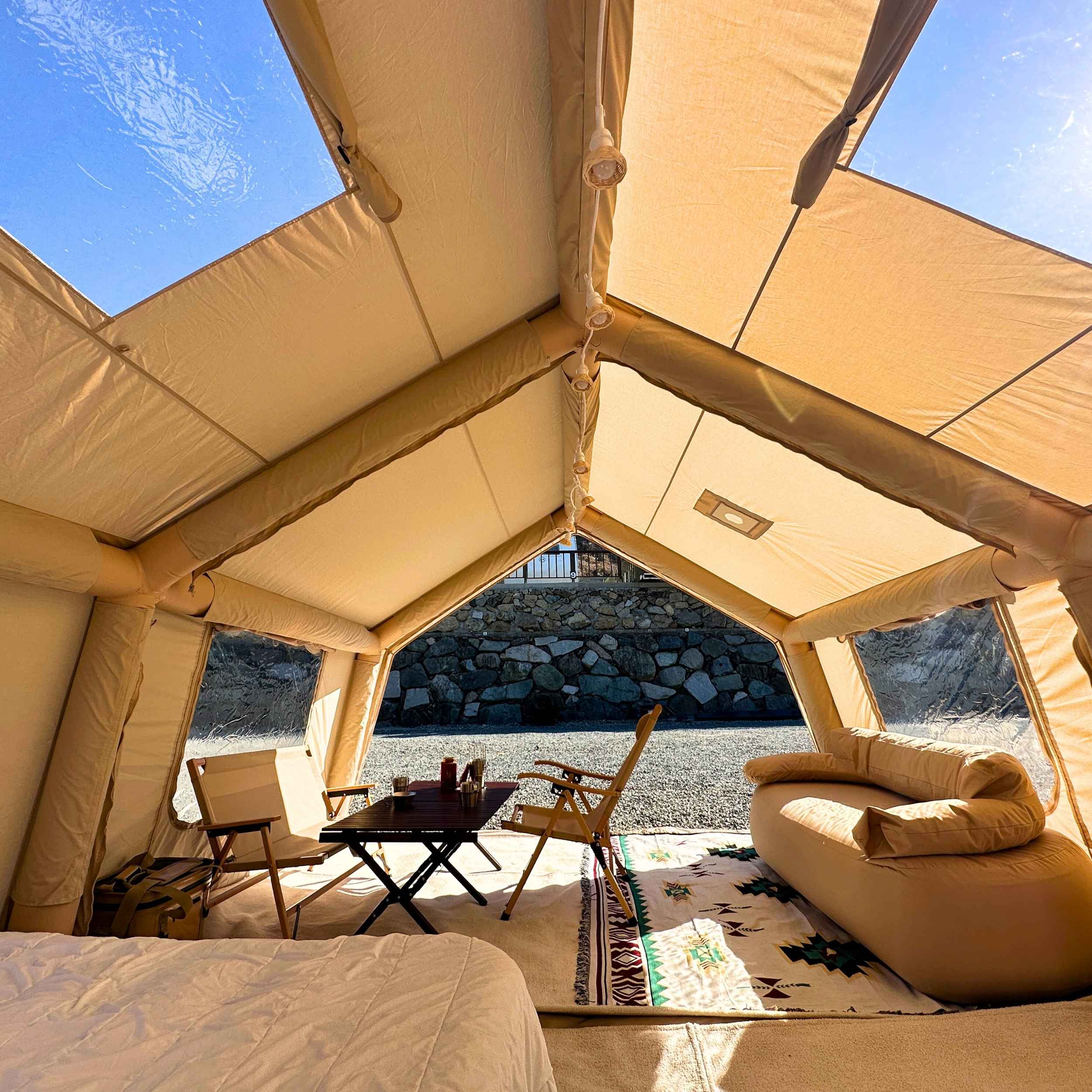
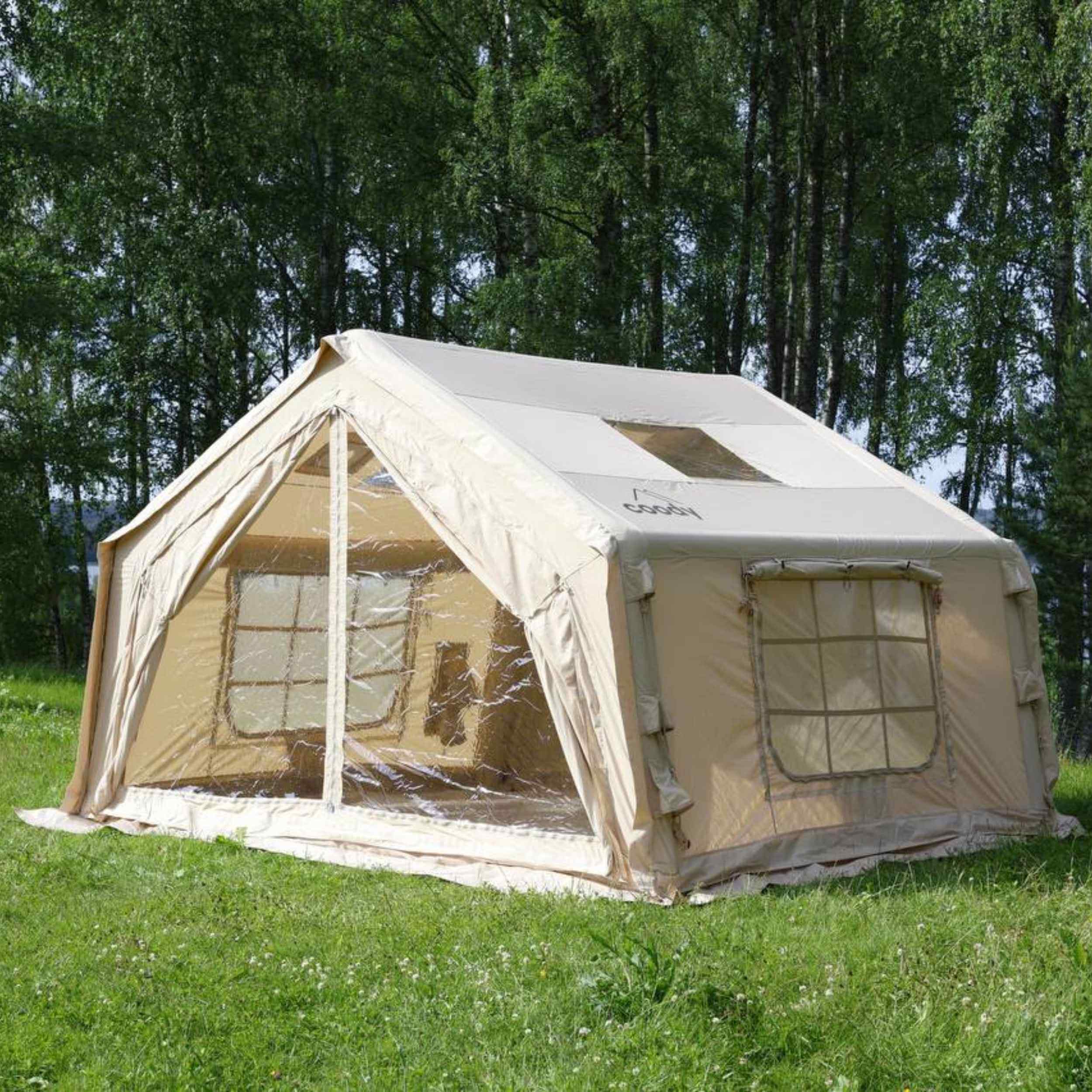
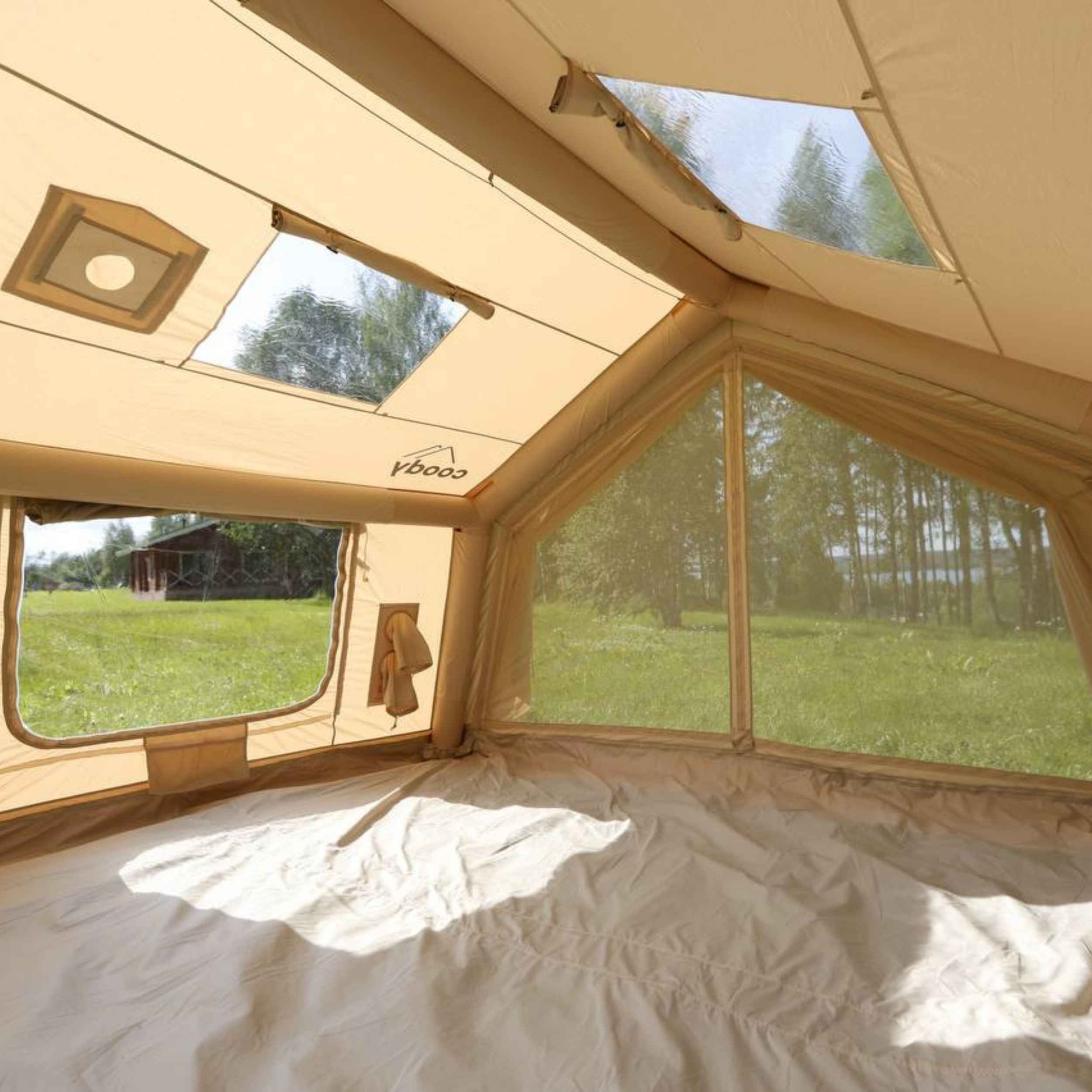
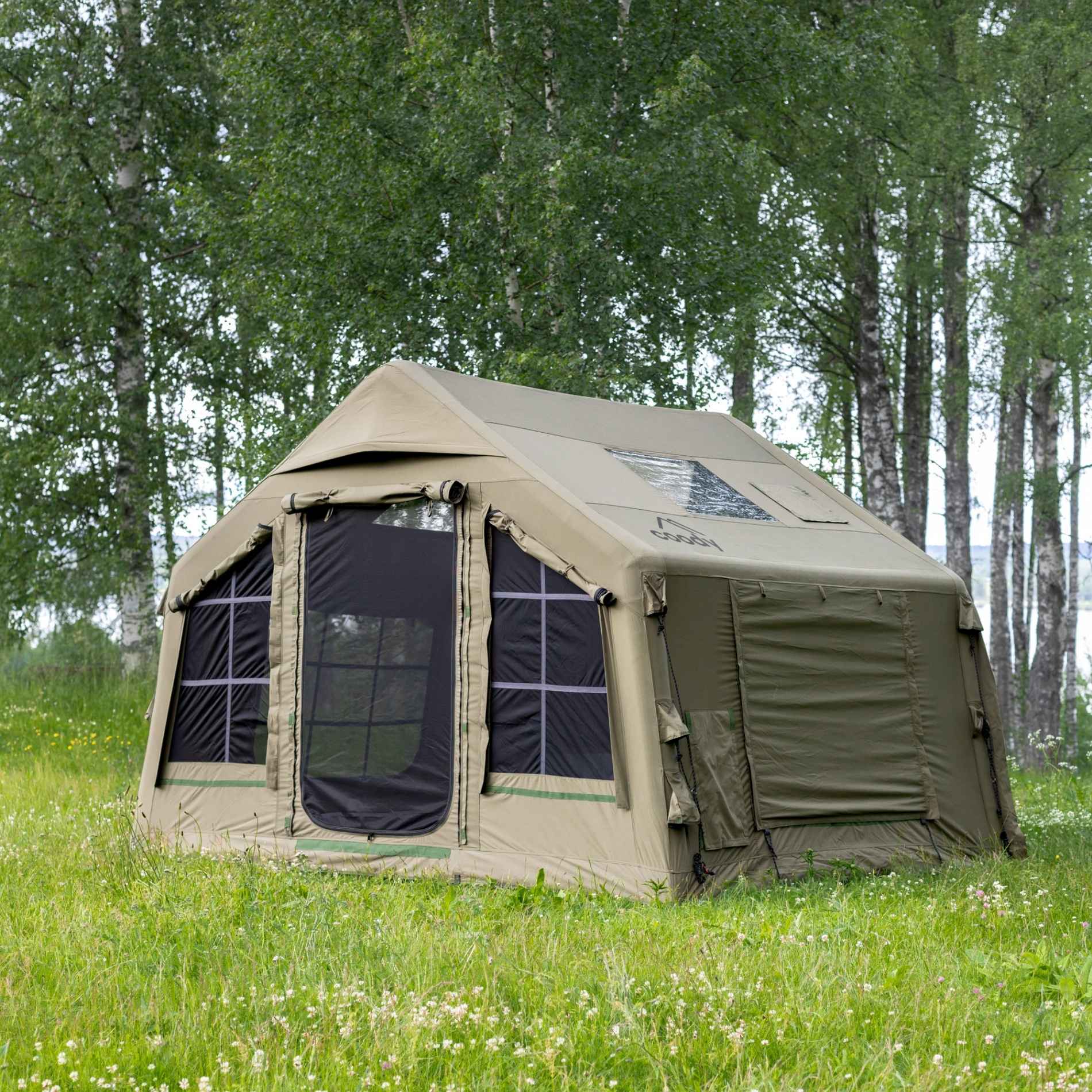
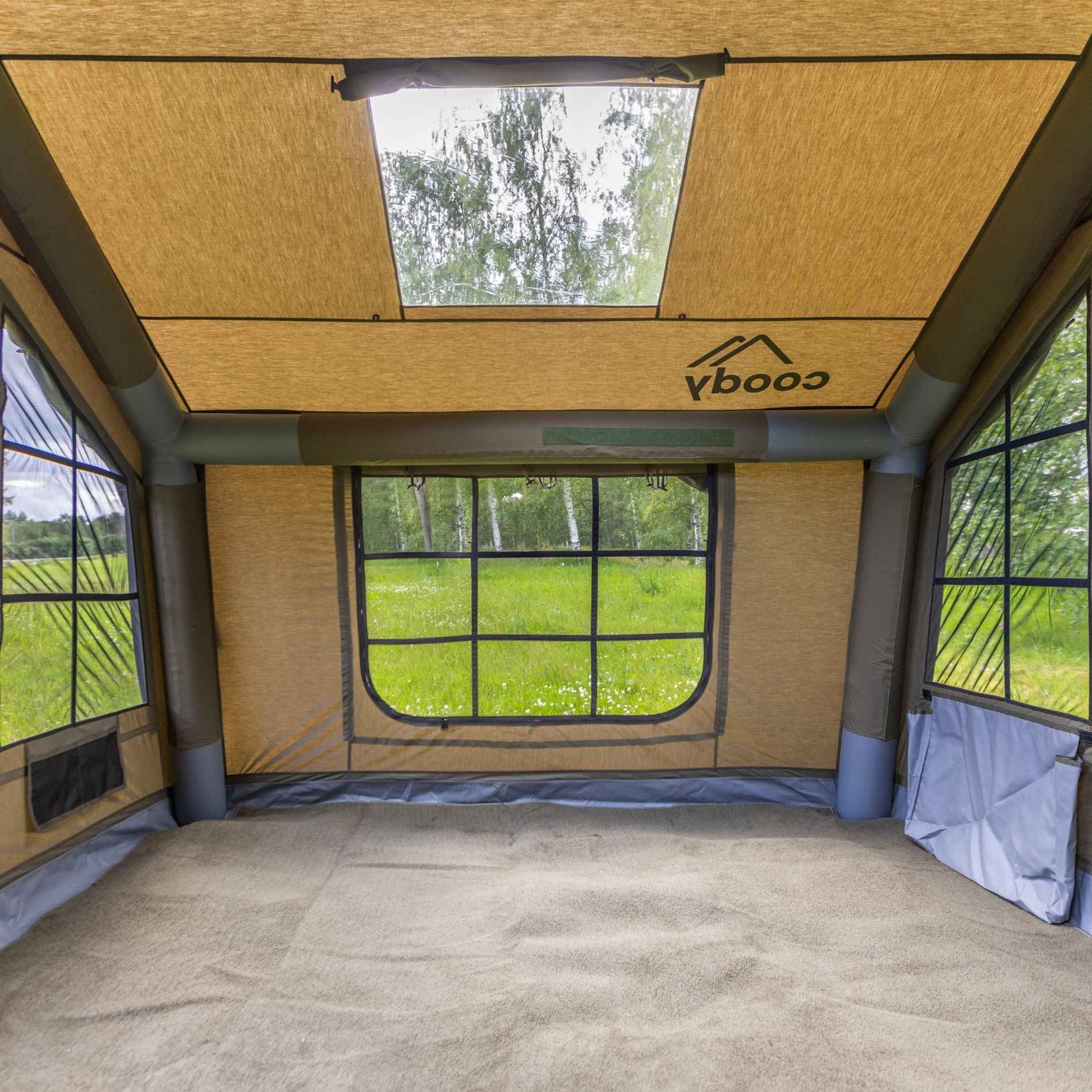
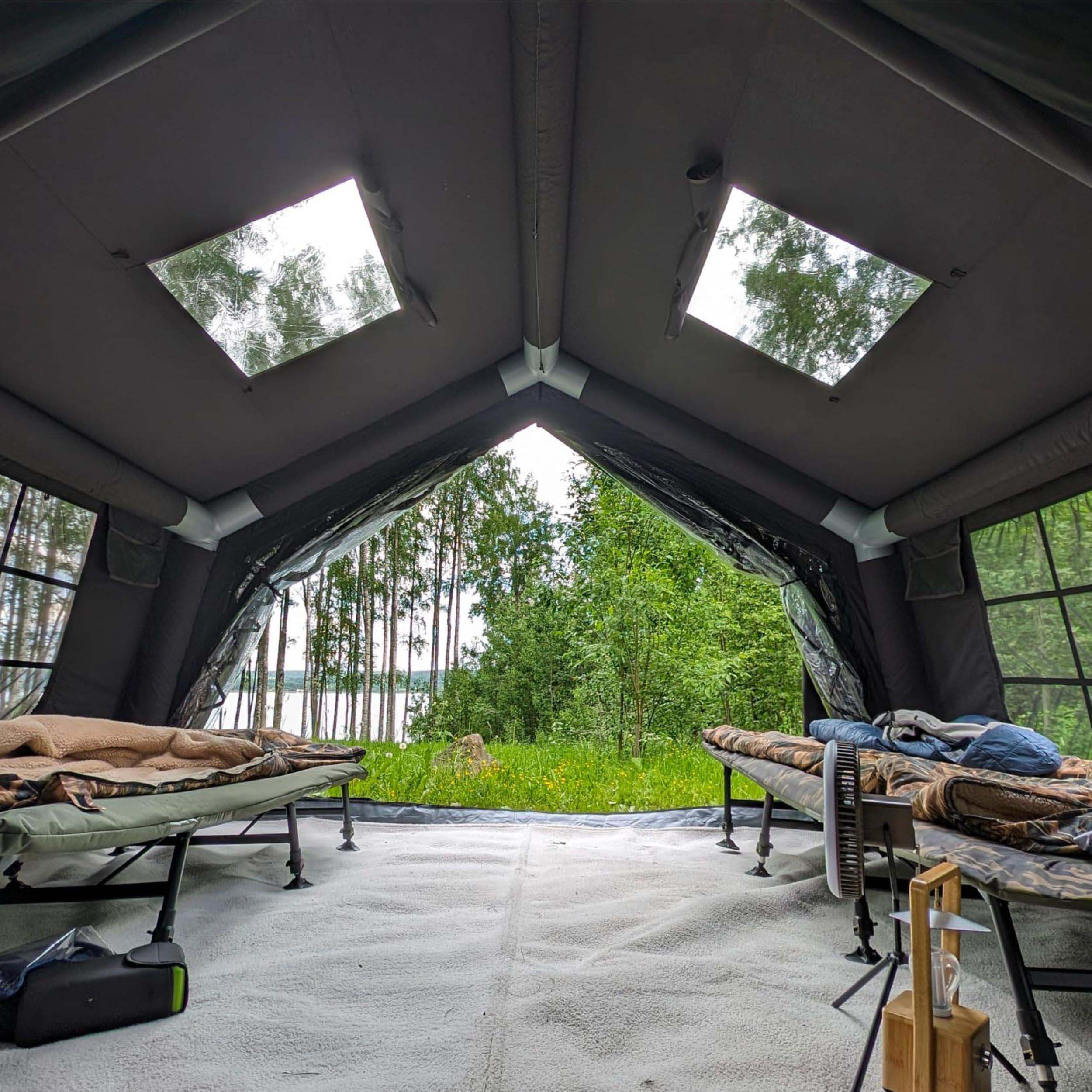
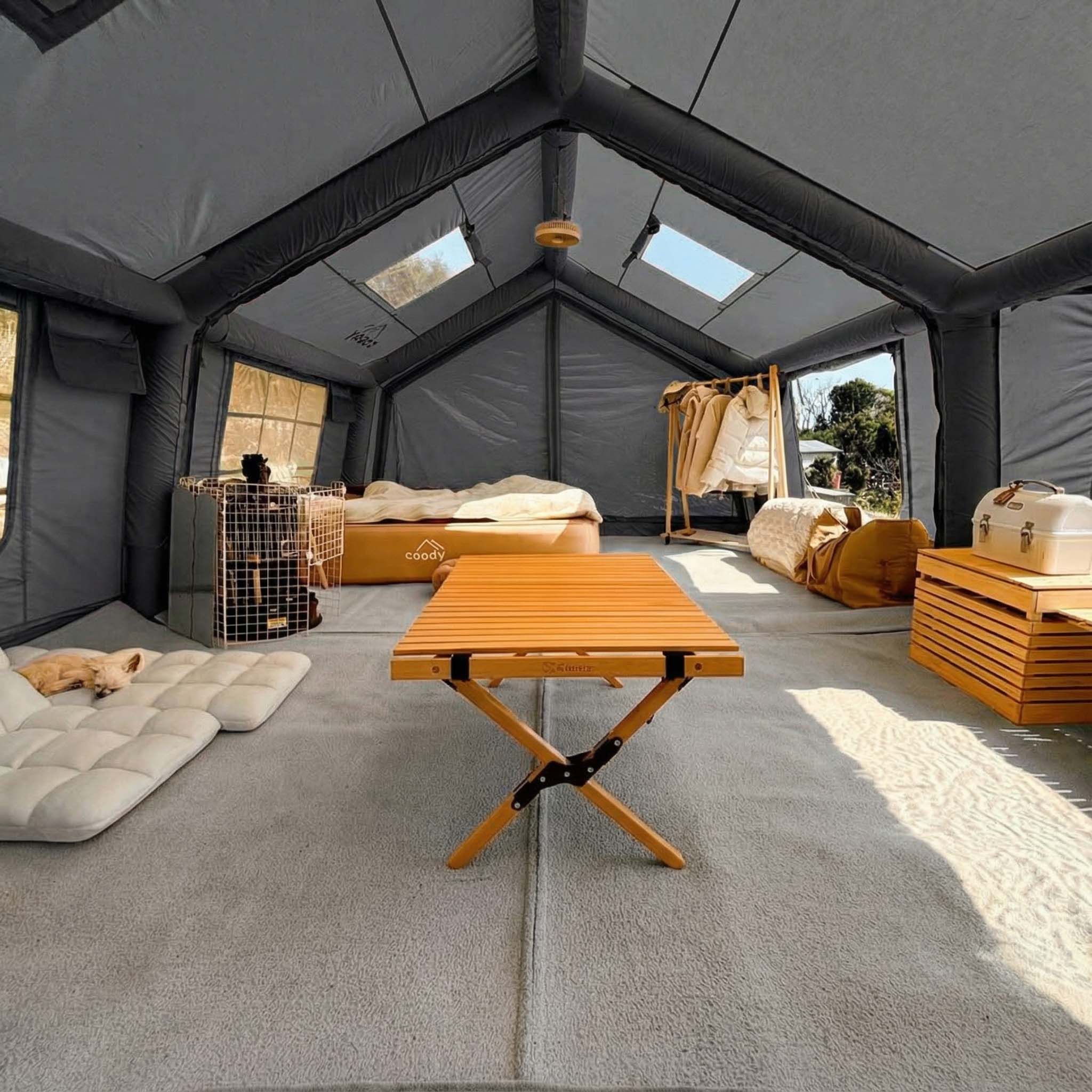
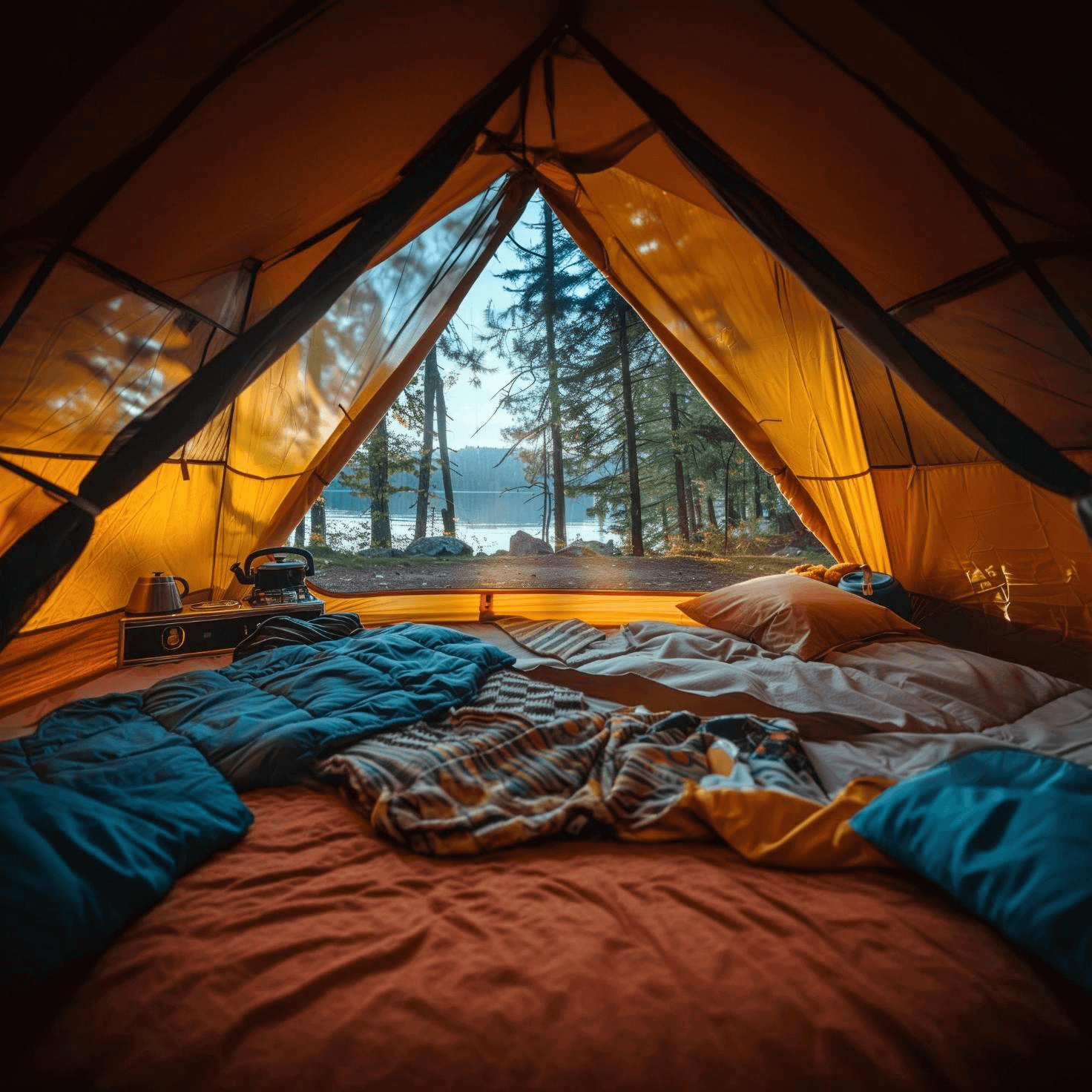
Su tienda de campaña debe ofrecer ventilación adecuada para evitar la condensación, pero suficiente protección para bloquear el viento y la humedad. Asegúrese de que esté bien fijada y tensa para evitar ruidos de aleteo y garantizar la estabilidad estructural.
Mantenerse cálido y cómodo


Capas para controlar la temperatura
Usar capas no es solo para el día. Usa capas base que absorban la humedad y considera añadir un gorro o calcetines para mayor abrigo. Evita abrigarte demasiado, ya que el sudor puede provocar escalofríos por la noche.
Uso de accesorios como almohadas y mantas
Una almohada de camping o una bolsa de dormir llena de ropa pueden sujetar el cuello y mejorar la postura al dormir. Llevar una manta suave además del saco de dormir también puede ayudarte a imitar la comodidad de tu cama en casa.
Manejo de la humedad y las corrientes de aire
Para mantenerse seco y cómodo, asegúrese de que su tienda de campaña sea impermeable y esté bien ventilada. Use un toldo cuando sea necesario y mantenga las ventanas de la tienda ligeramente abiertas para reducir la condensación. Puede bloquear las corrientes de aire enrollando ropa o equipo a lo largo de los bordes de la tienda.
Creando un ambiente de descanso


Eliminando la luz y el ruido
Los entornos naturales no siempre son silenciosos ni oscuros. Usa un antifaz para bloquear el sol matutino y tapones para los oídos o una aplicación de ruido blanco para enmascarar sonidos desconocidos como el viento, los animales o los demás campistas.
Establecer una rutina para la hora de dormir
Crea rituales de relajación similares a los que tienes en casa: ponte la ropa de dormir, baja la intensidad de la luz de la linterna frontal, lee o escucha música relajante. Esto le indica a tu cuerpo que es hora de descansar.
Uso de ayudas y técnicas para dormir
Si le cuesta conciliar el sueño, considere tomar infusiones, suplementos de magnesio o ejercicios de respiración relajante. Evite la cafeína y el alcohol cerca de la hora de acostarse, ya que ambos pueden alterar la calidad del sueño.
Consejos para una buena noche de sueño


Relájate antes de dormir
No pases directamente de la actividad física a la cama. Date tiempo para relajarte, estirarte y descansar. Bebidas calientes como la manzanilla pueden ayudarte a conciliar el sueño.
Consideraciones sobre hidratación y nutrición
Mantente hidratado, pero no demasiado; nadie quiere levantarse tres veces en la noche. Come un refrigerio ligero antes de acostarte con carbohidratos de absorción lenta para mantenerte caliente durante la noche.
Cómo afrontar la ansiedad y el estrés
¿Te sientes incómodo en el bosque? Lleva una pequeña luz o un objeto familiar para aliviar la ansiedad. Concéntrate en la tranquilidad de acampar y recuerda que no pasa nada por no dormirte de inmediato.
Aprendiendo de la experiencia

Cómo ajustar su configuración para futuros viajes
Cada acampada es una oportunidad para mejorar tu sistema de sueño. Toma nota de lo que funcionó y lo que no. Quizás tu colchón era demasiado firme o tu tienda de campaña dejaba entrar demasiada luz.
Recopilación de comentarios de los compañeros de campamento
Habla con otros para aprender qué equipo o rutinas les ayudan a dormir bien al aire libre. Los demás campistas suelen tener trucos de eficacia comprobada que pueden marcar la diferencia.
Conclusión
Resumen de puntos clave
Dormir cómodamente mientras acampas es totalmente posible con el enfoque adecuado. Concéntrate en la elección del sitio, el sistema de descanso, la calidez y la tranquilidad para mejorar tu experiencia nocturna.
Fomento de la exploración al aire libre
No dejes que el miedo a dormir mal te impida disfrutar de acampar. Con la configuración y la mentalidad adecuadas, el aire libre puede ser tan reparador como estar en casa, o incluso mejor.
¡Dulces sueños bajo las estrellas!