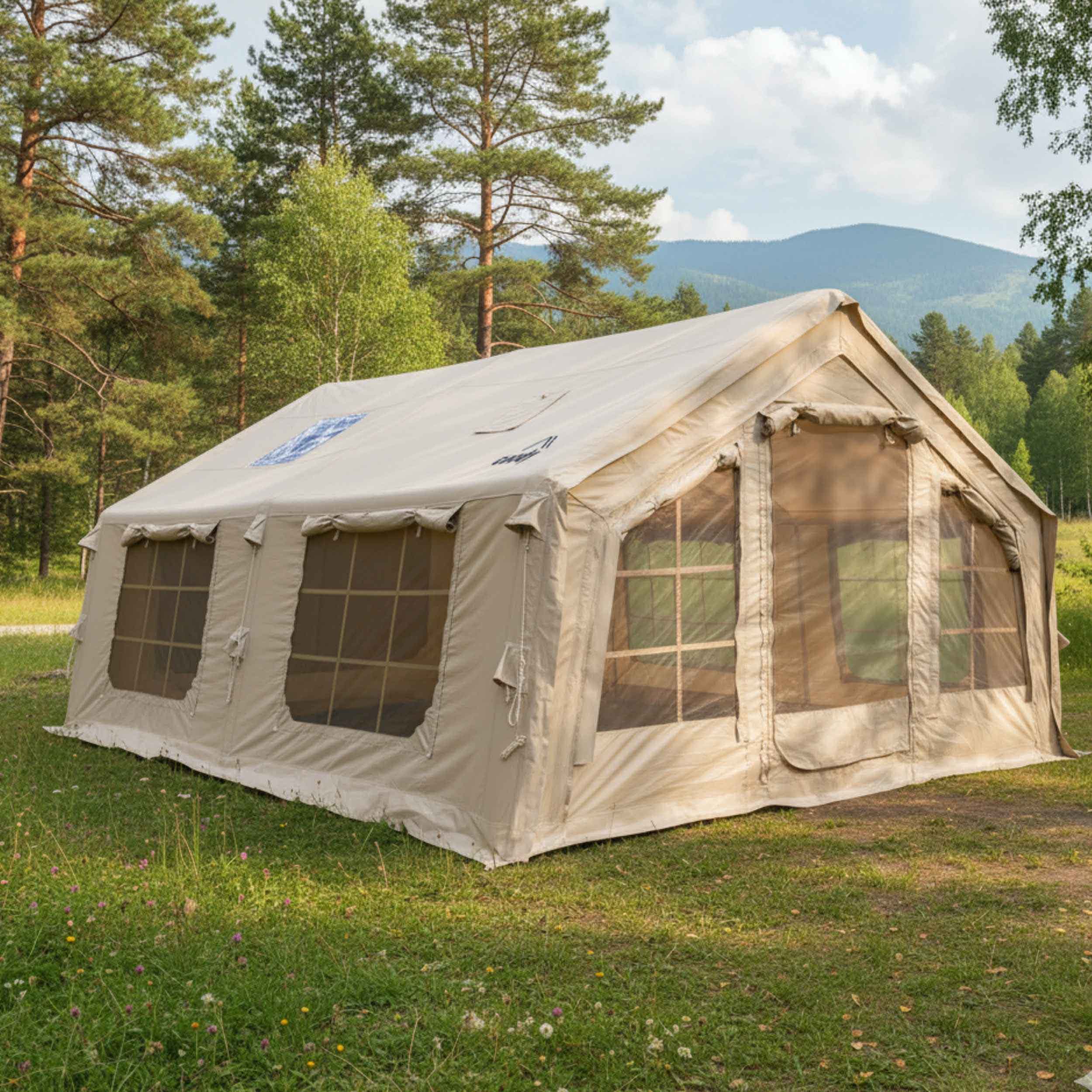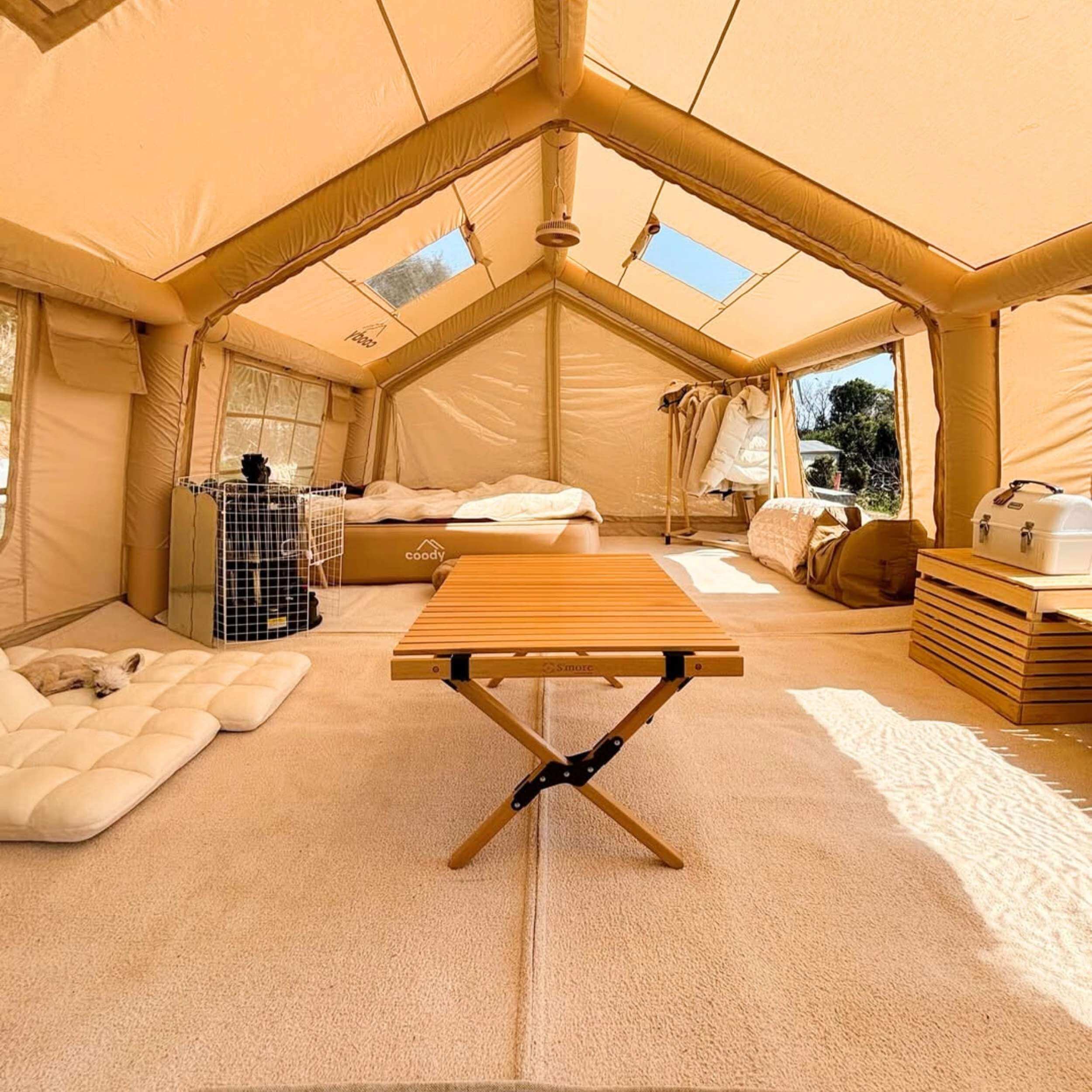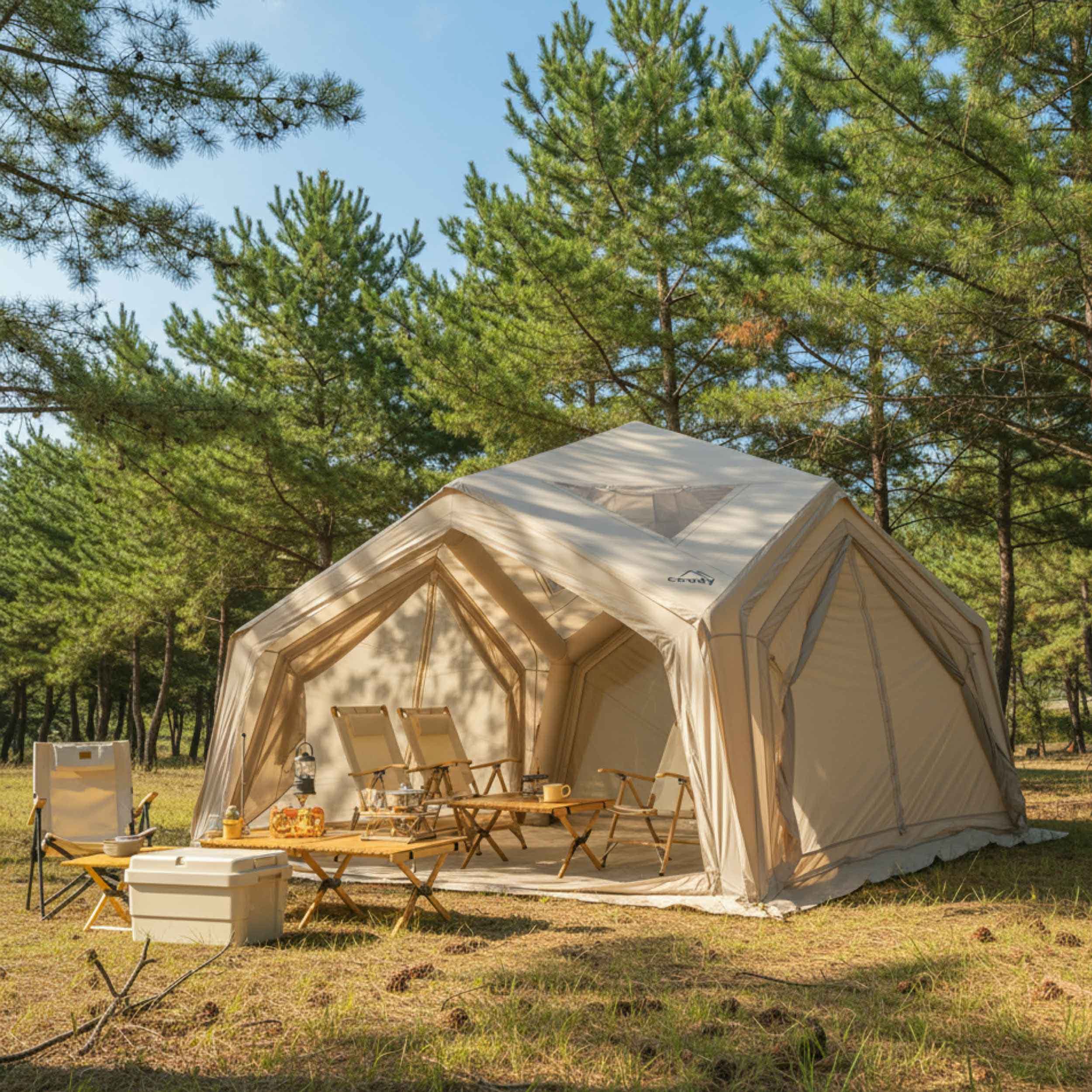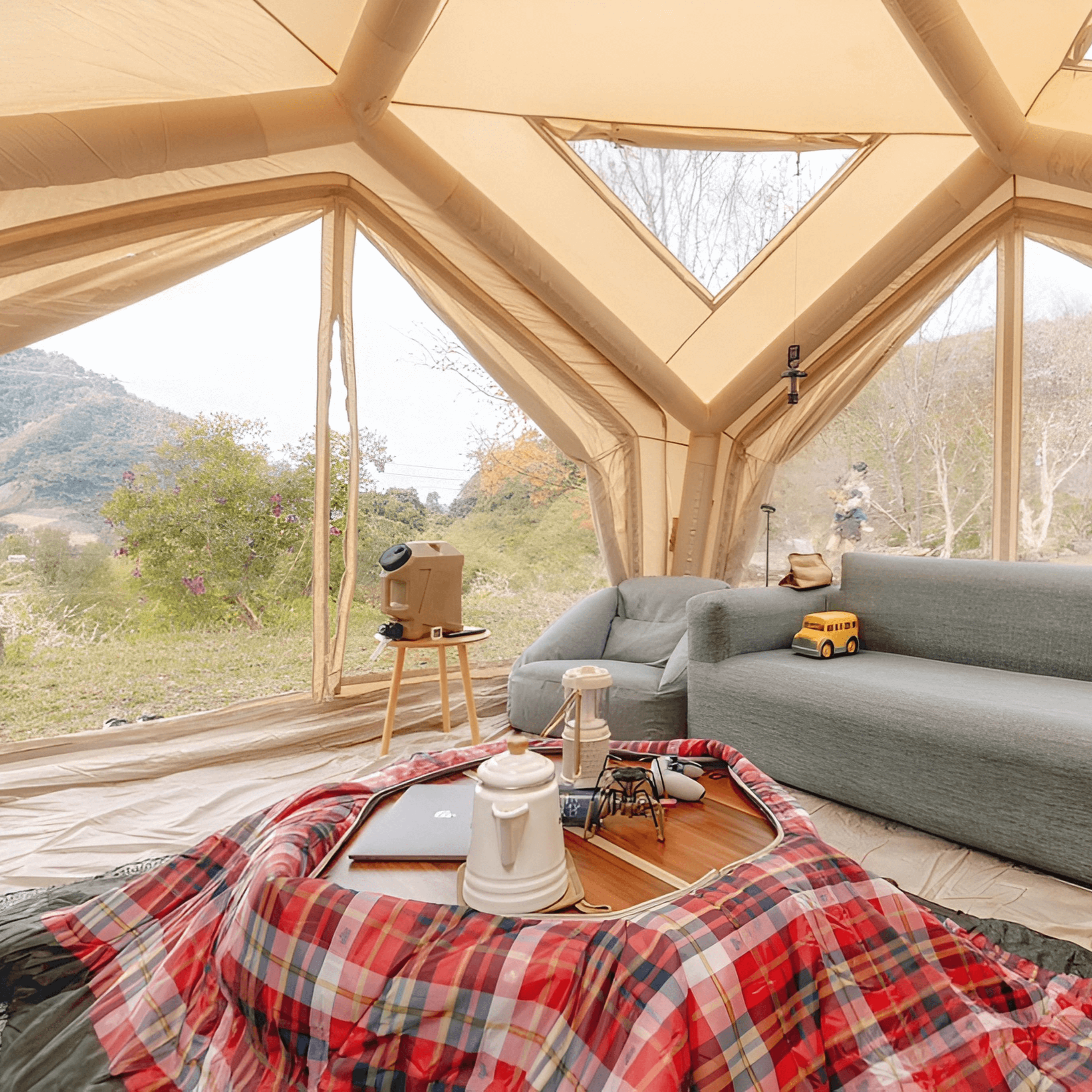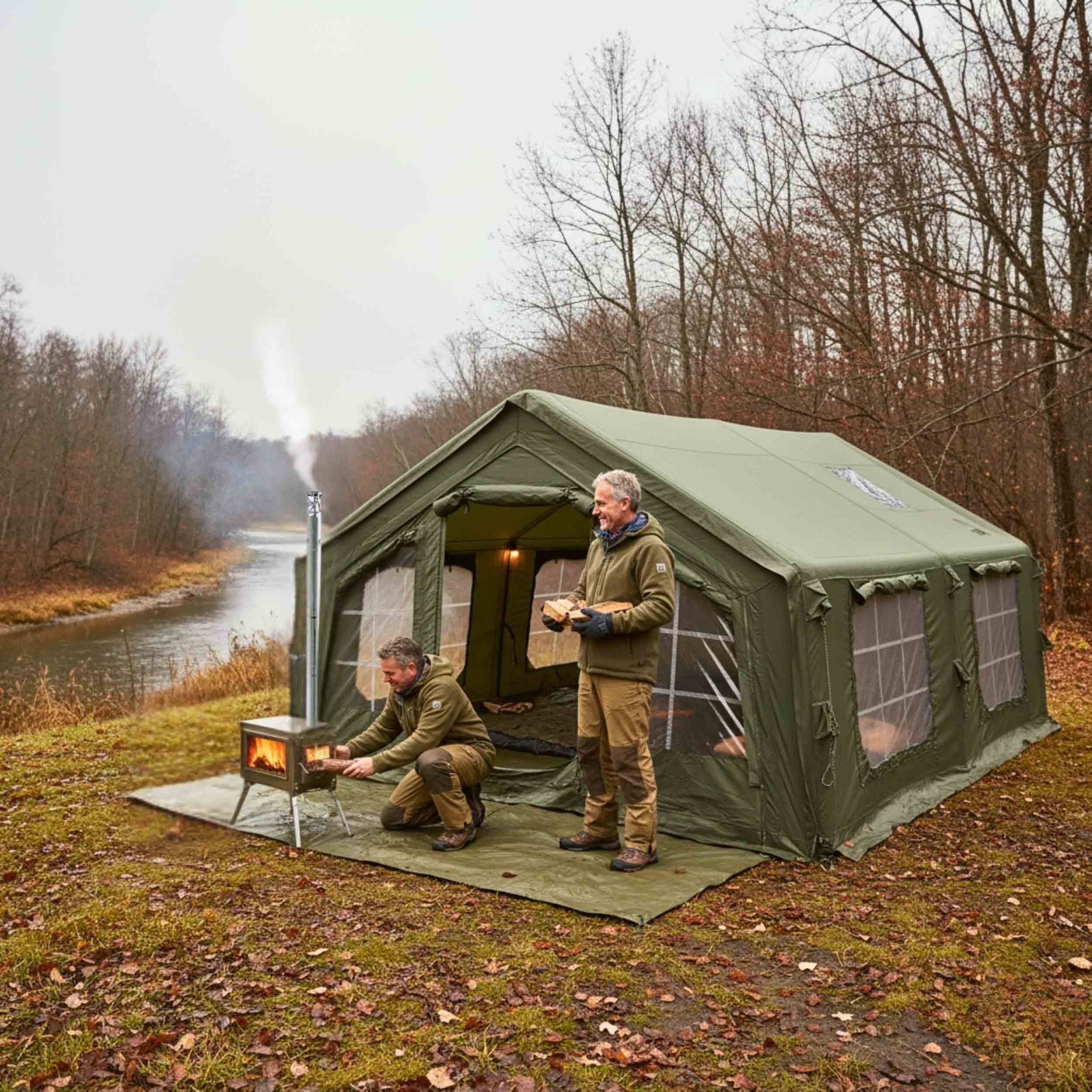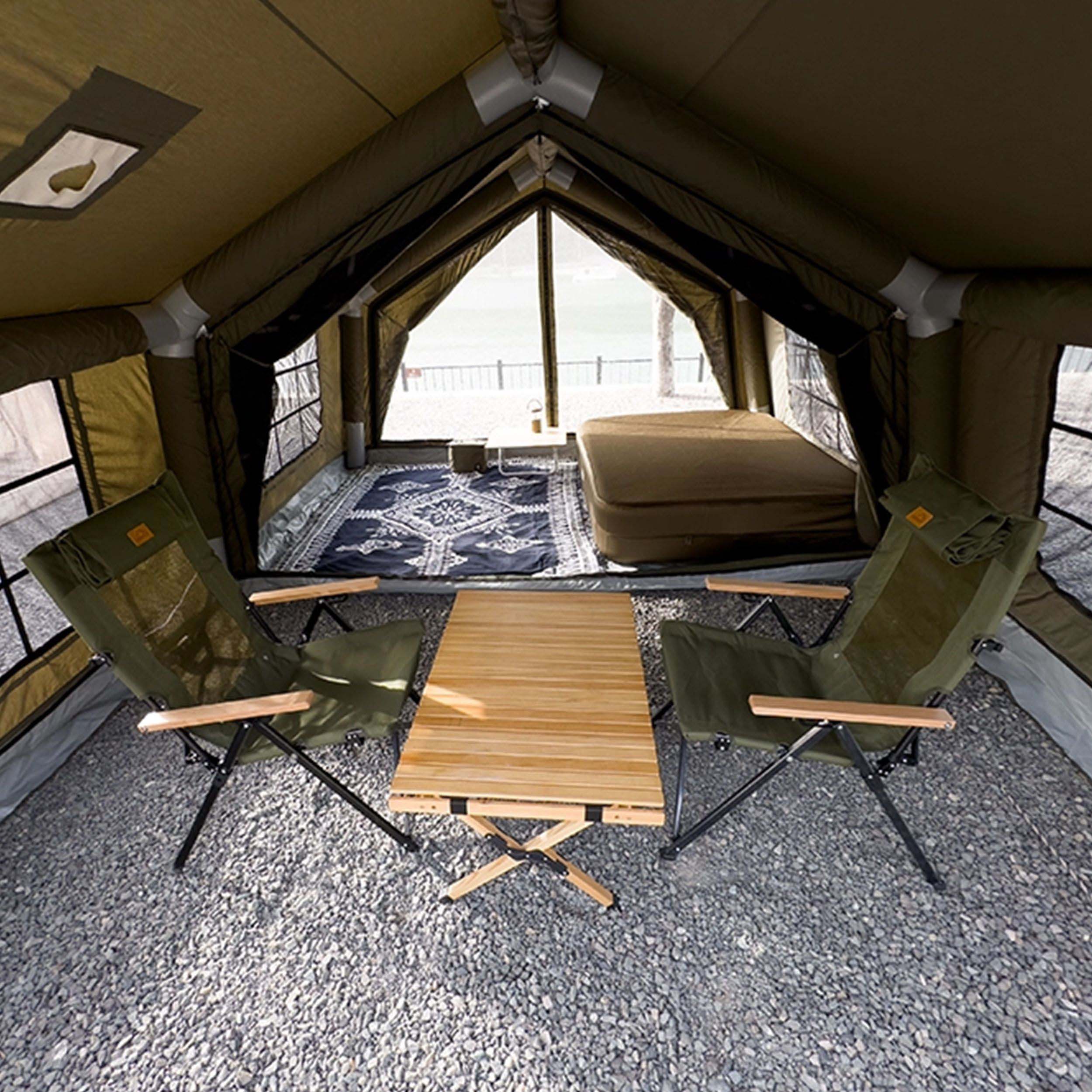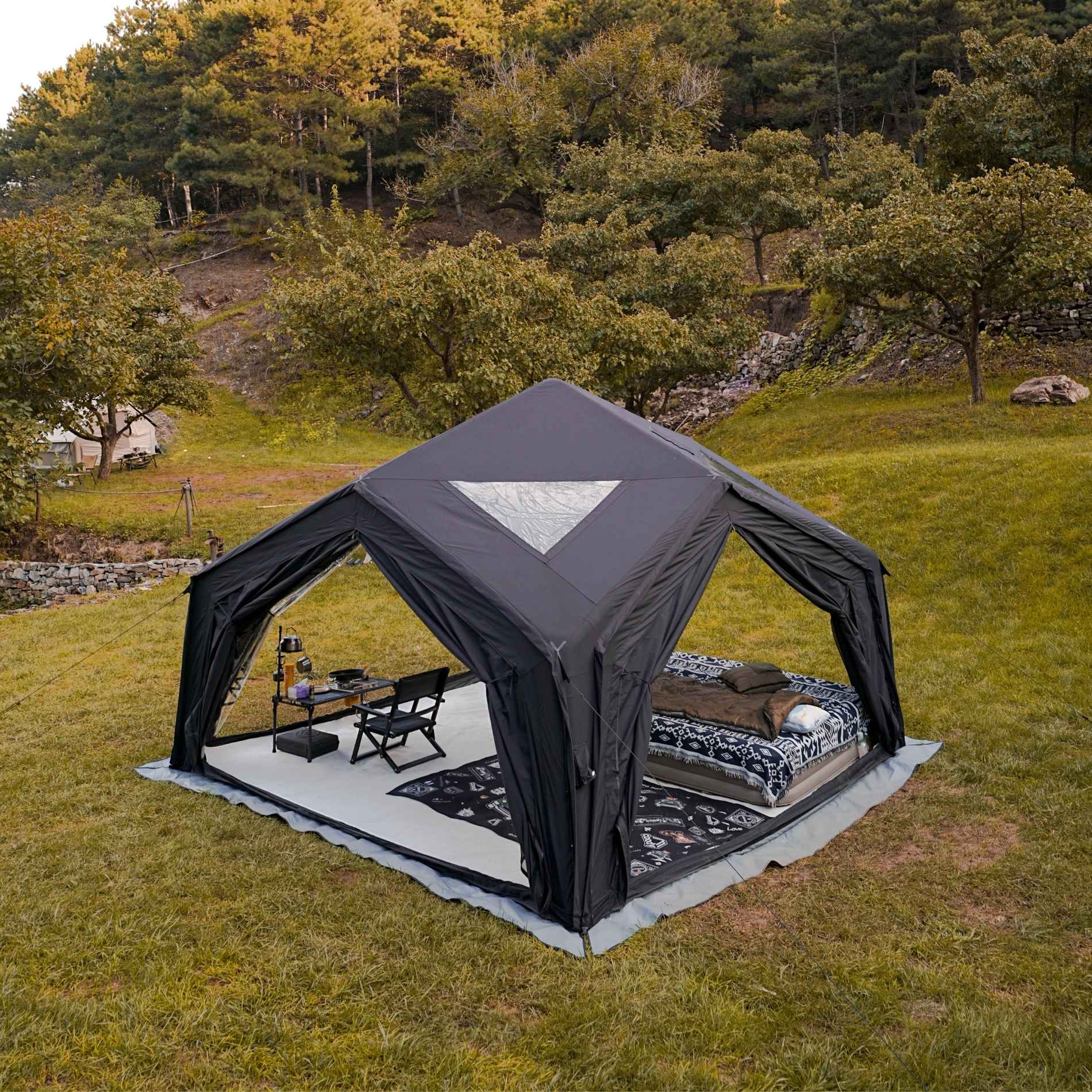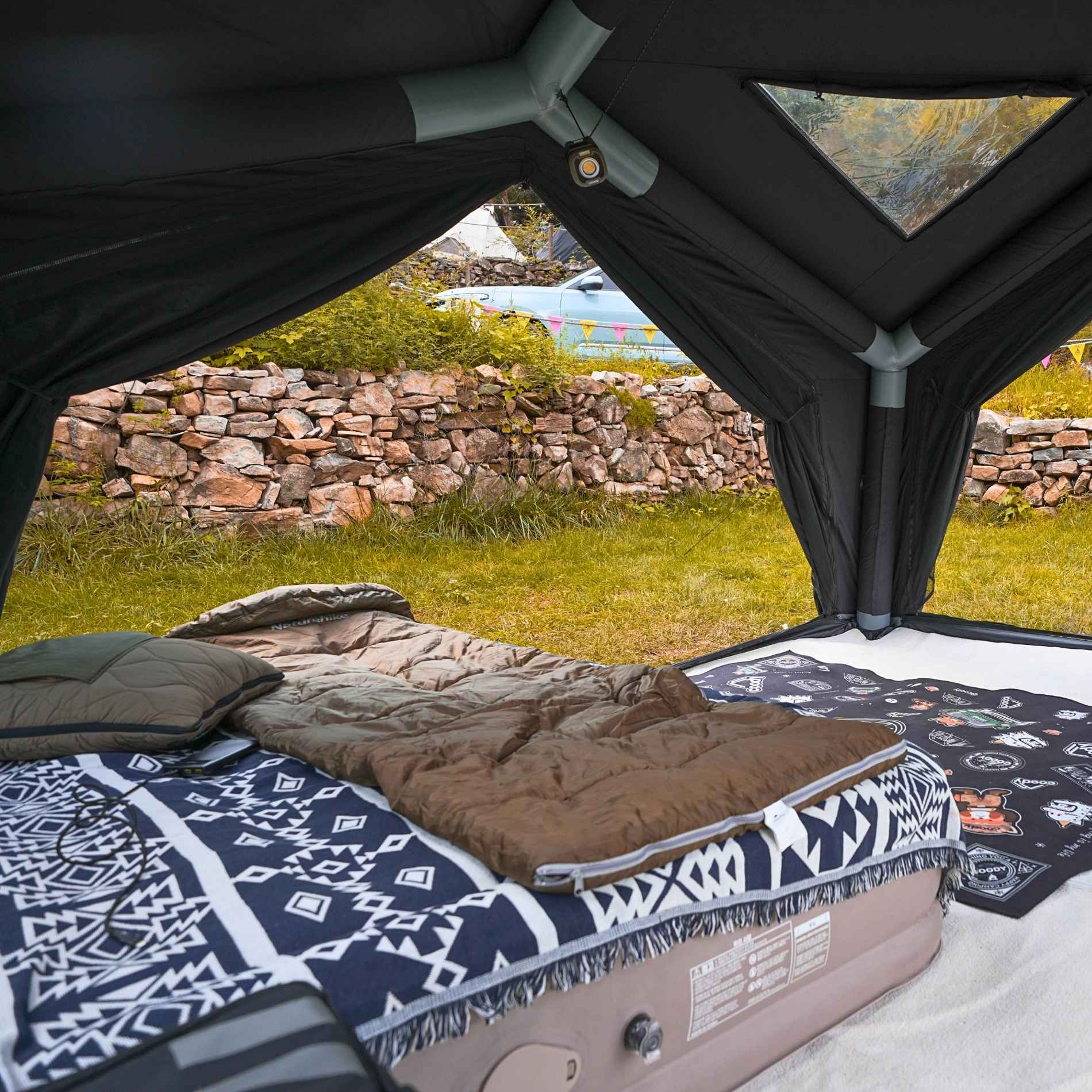

En resumen: cómo aislar tu carpa para el camping de invierno
¡No dejes que las temperaturas bajo cero arruinen tu viaje! Aquí tienes una guía rápida para retener el calor, bloquear el frío y mantenerte abrigado toda la noche:
- Empieza desde el suelo: El calor se escapa más rápidamente por el suelo. Usa esterillas de espuma de celdas cerradas y mantas de emergencia reflectantes debajo de tu zona para dormir, a fin de crear una barrera térmica contra la tierra congelada.
- Equilibra el flujo de aire: Bloquea las corrientes frías cerca de la parte inferior de la carpa, pero deja siempre las ventilaciones superiores ligeramente abiertas. Sellar completamente la carpa atrapa la humedad de la respiración, lo que hace que tu equipo se humedezca y se congele.
- Calienta primero el interior: Usa un saco de dormir apto para el invierno, capas base que absorban la humedad y fuentes de calor internas seguras, como una botella de agua caliente dentro del saco de dormir antes de acostarte.
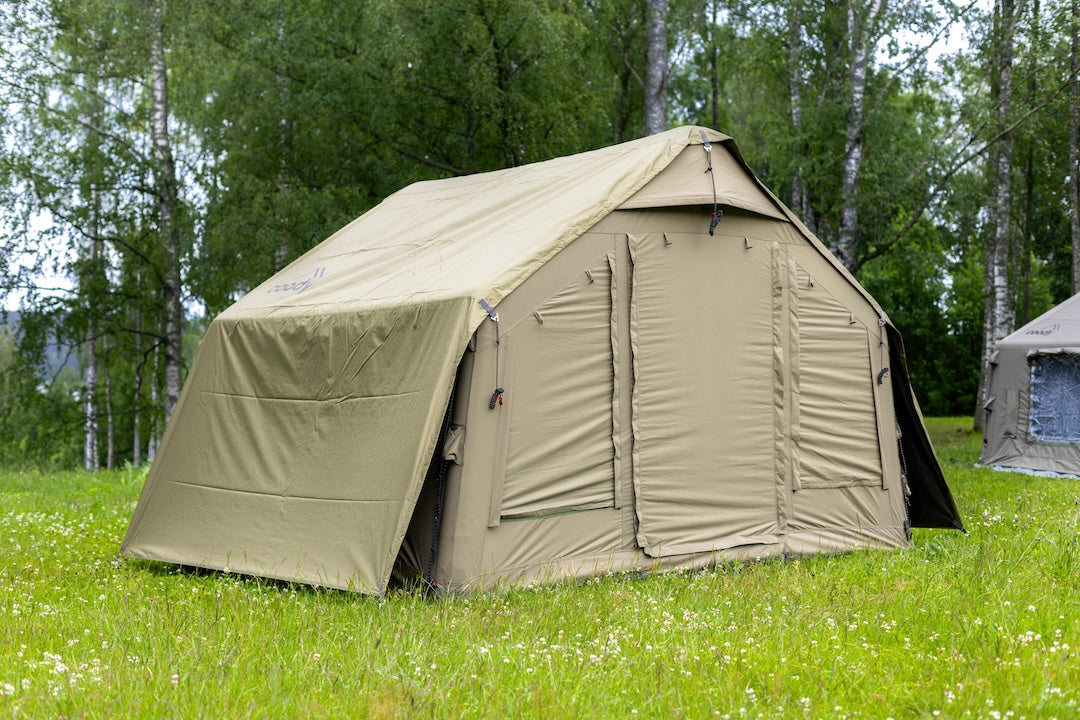
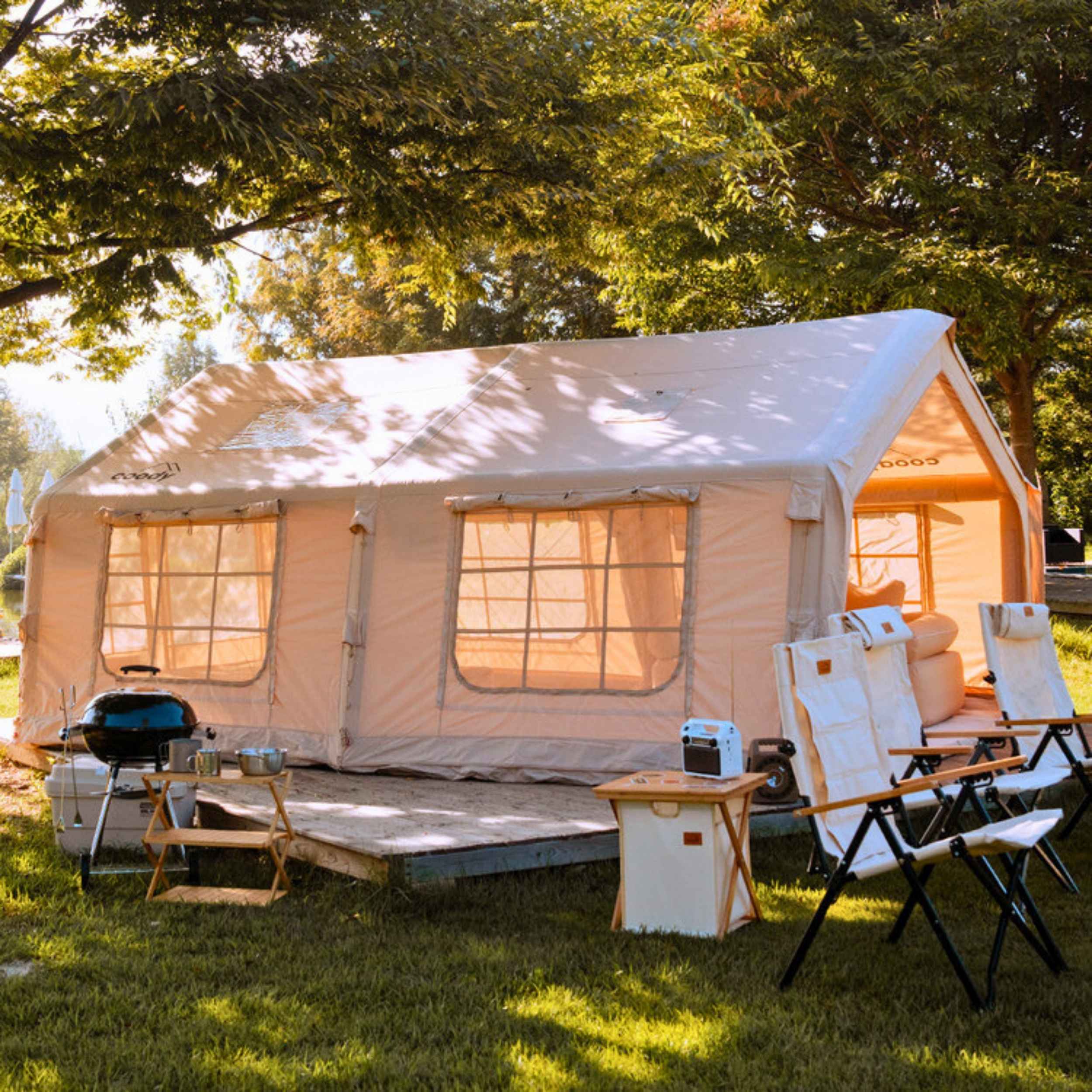
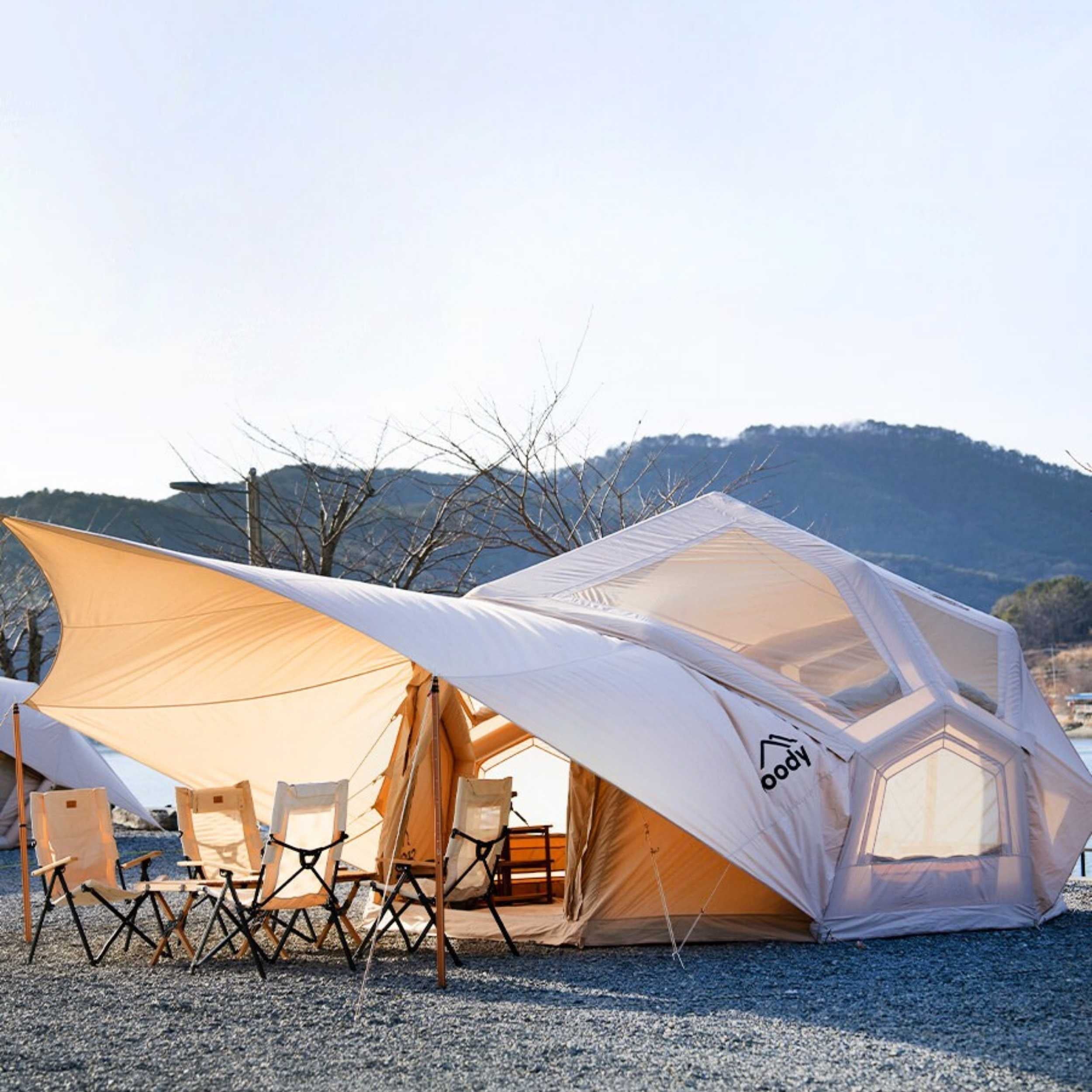
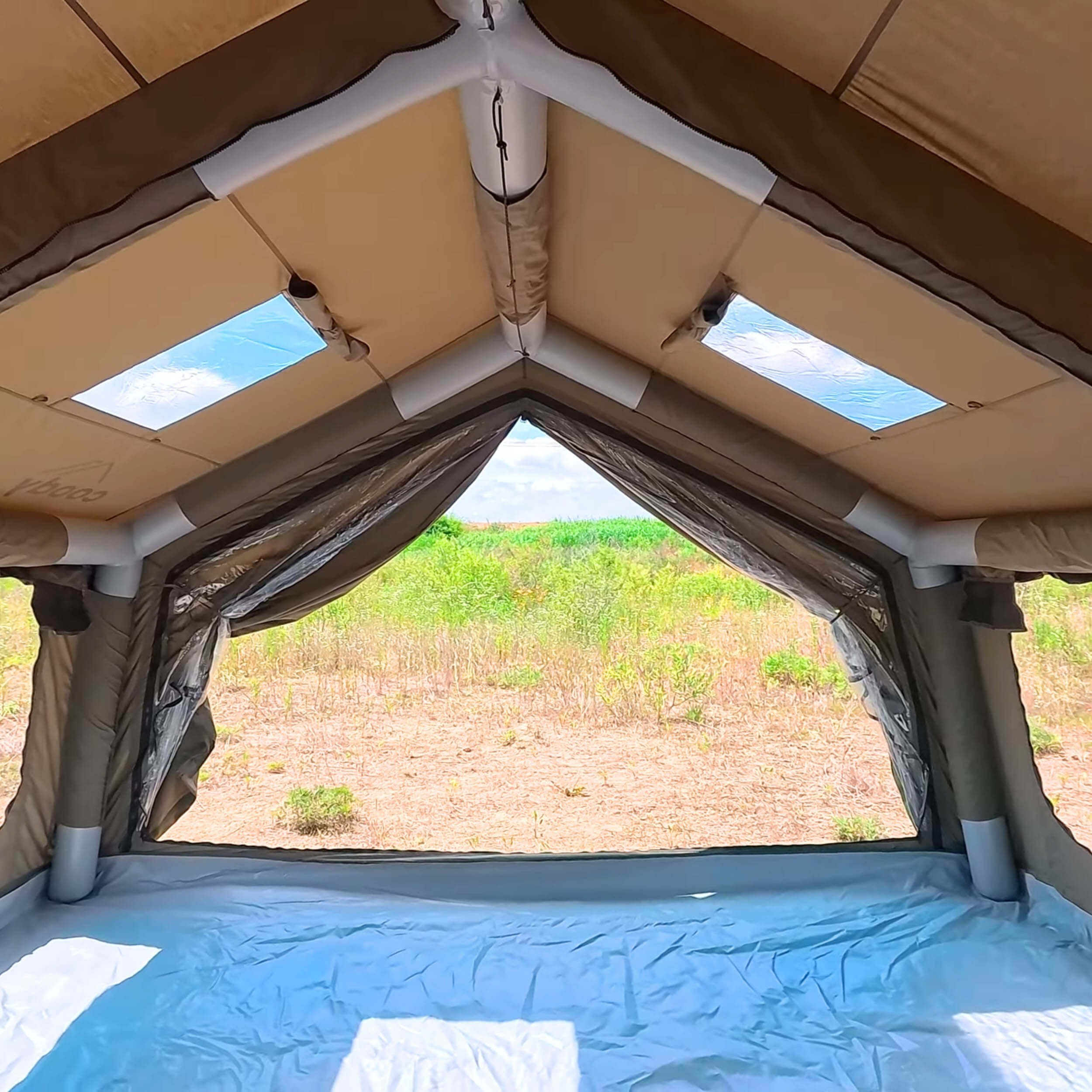
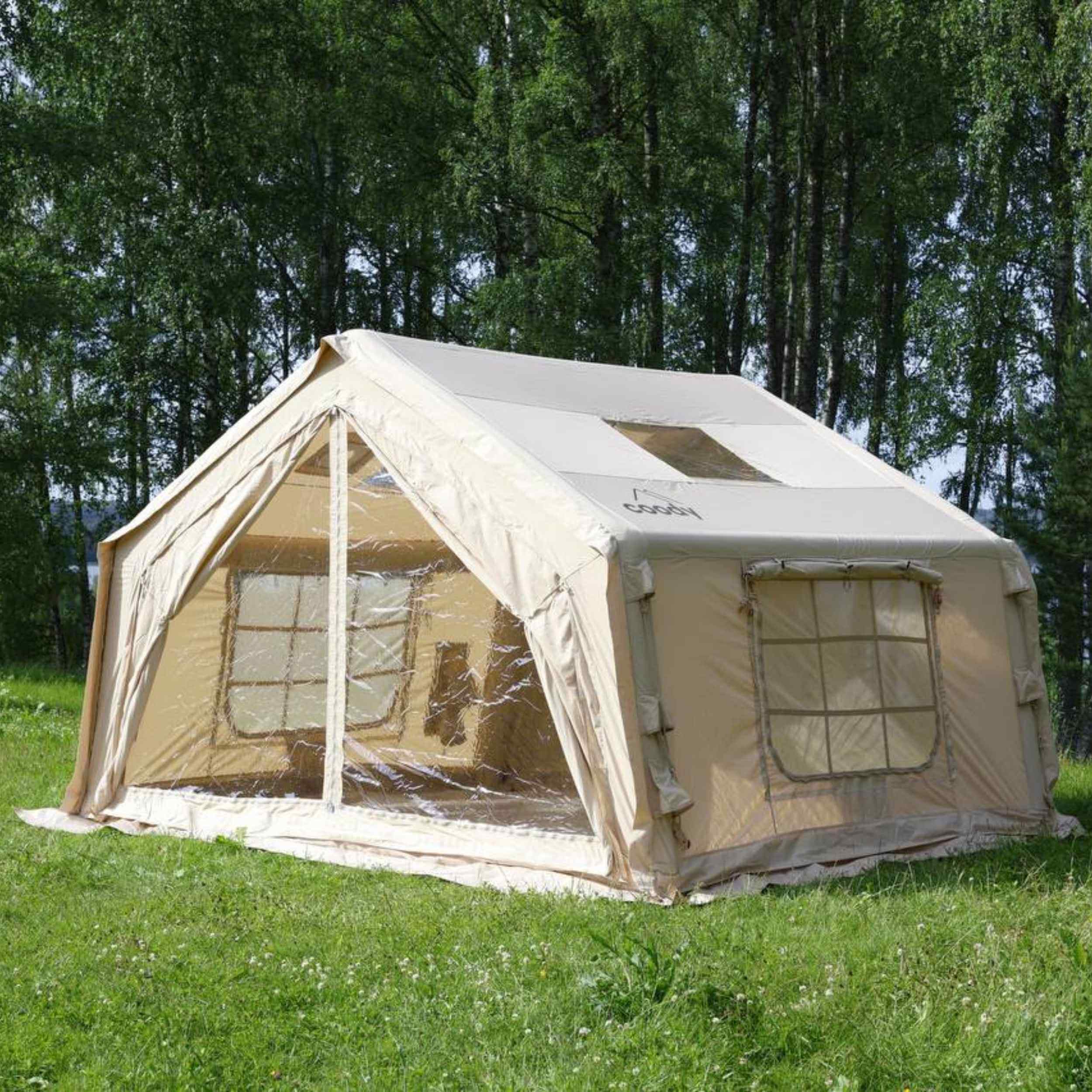
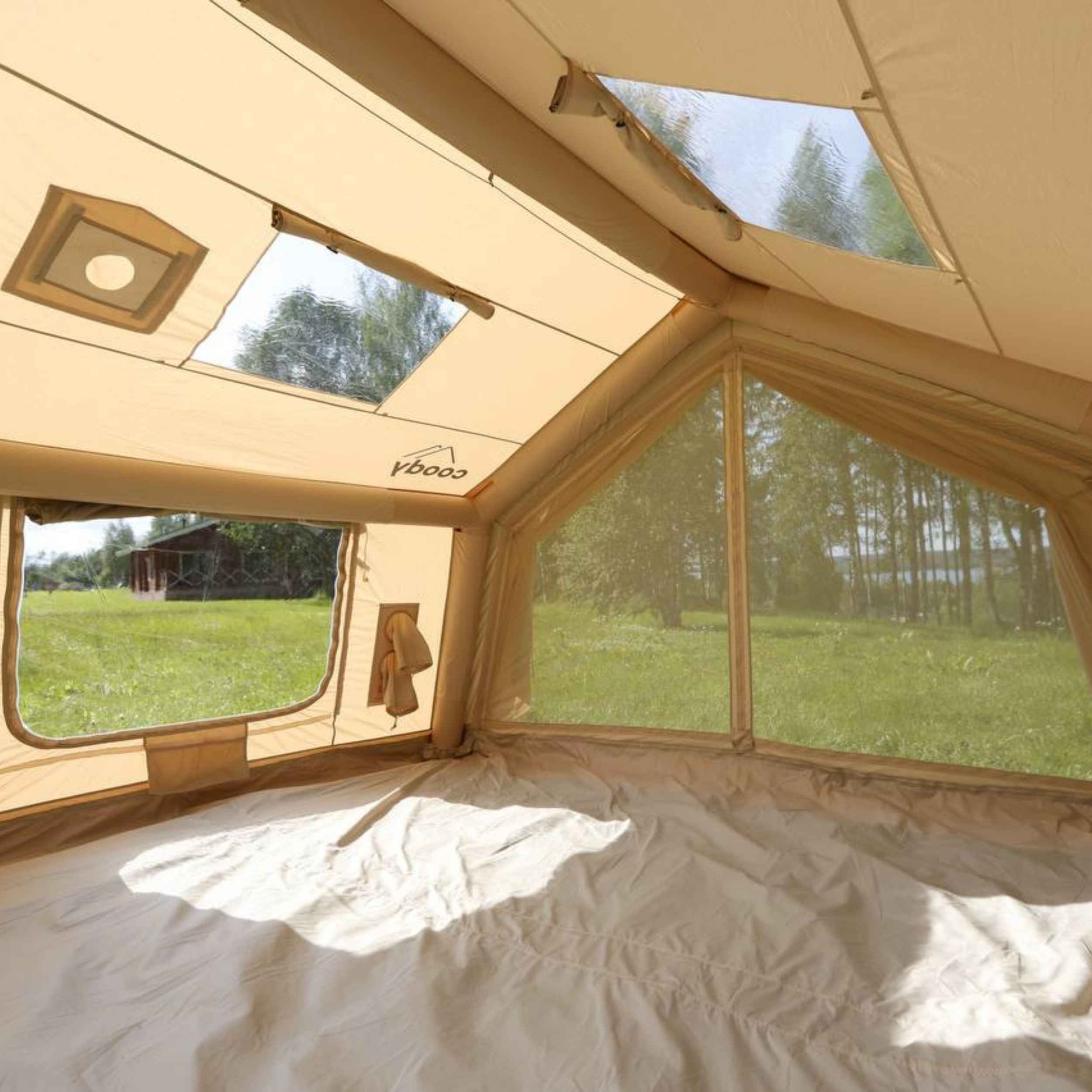
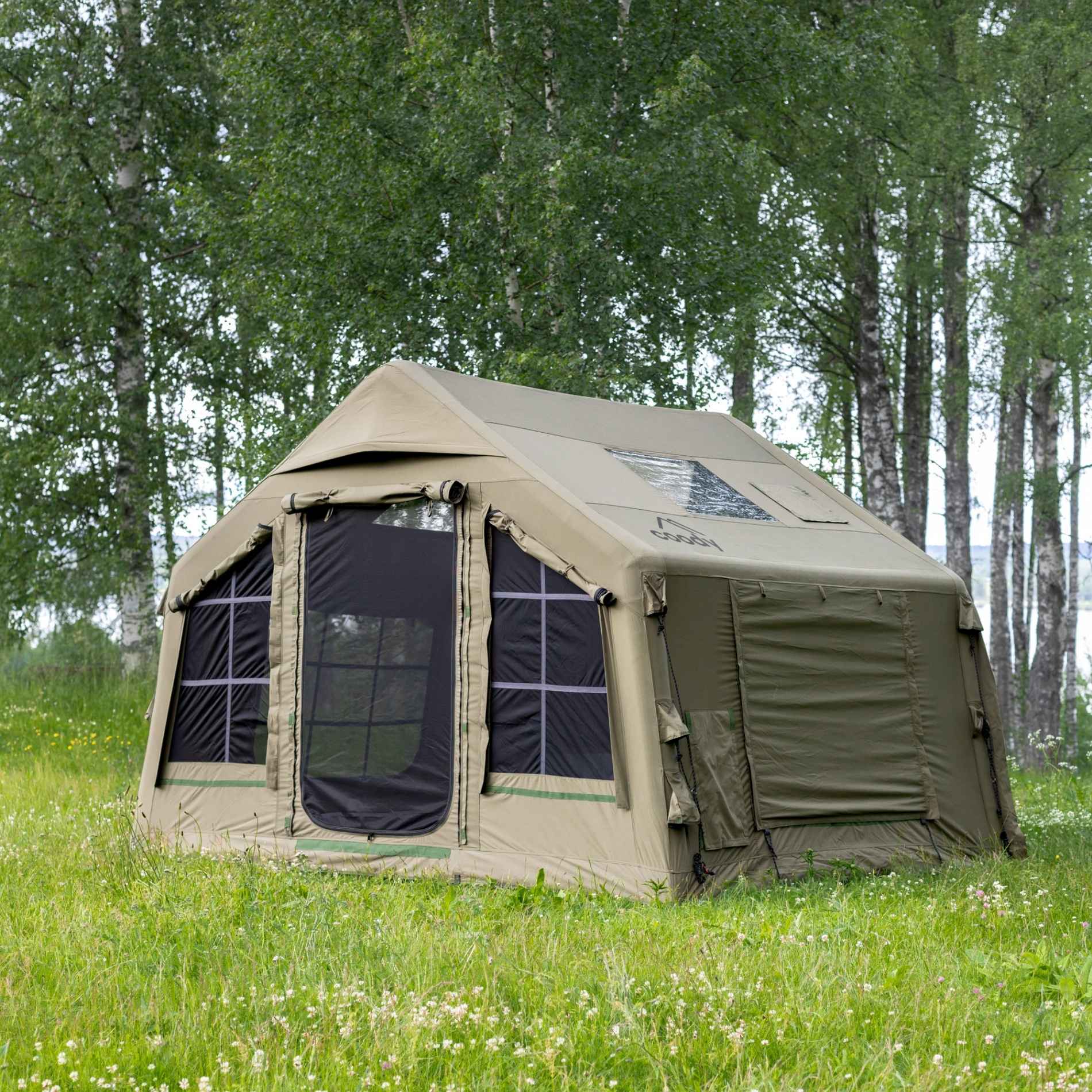
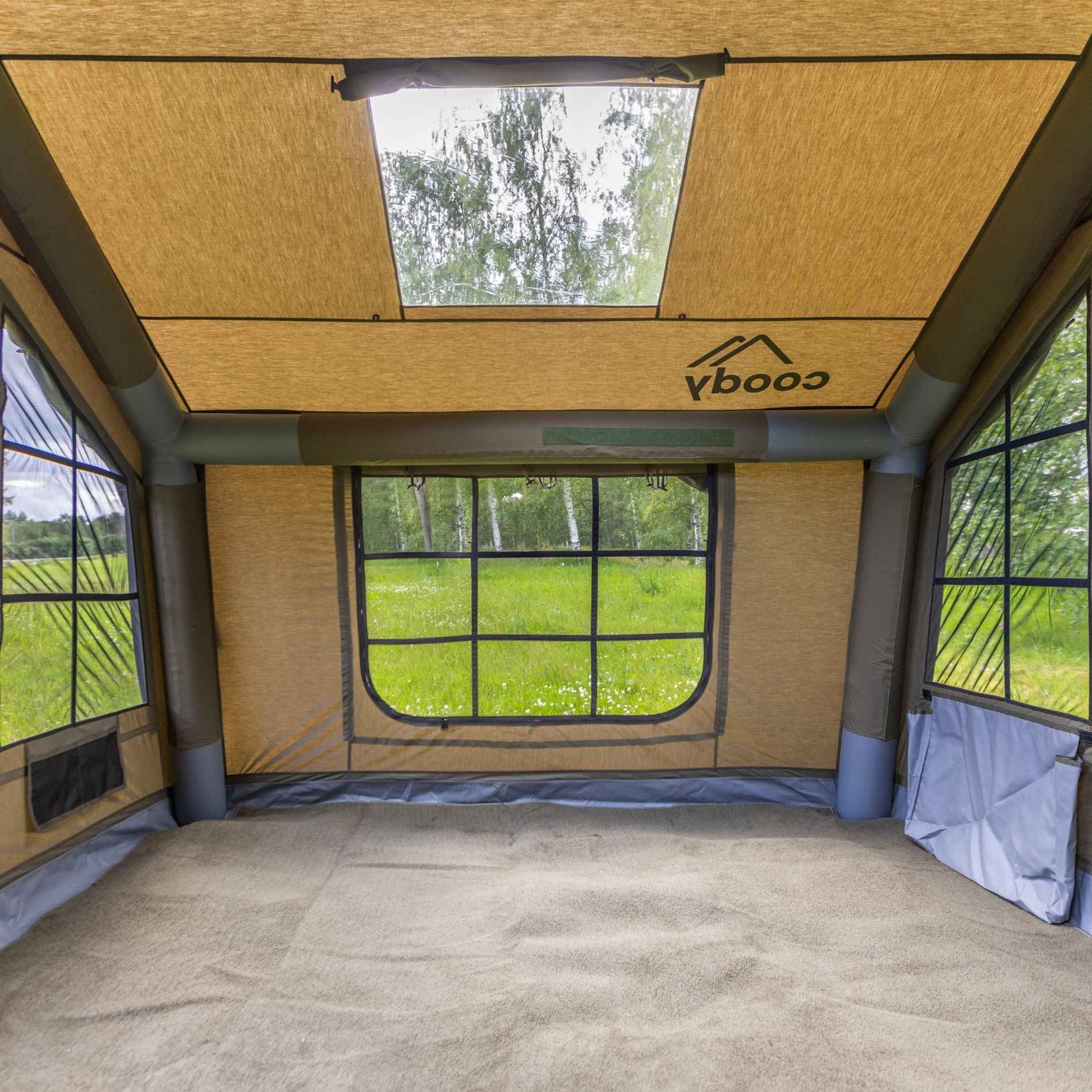
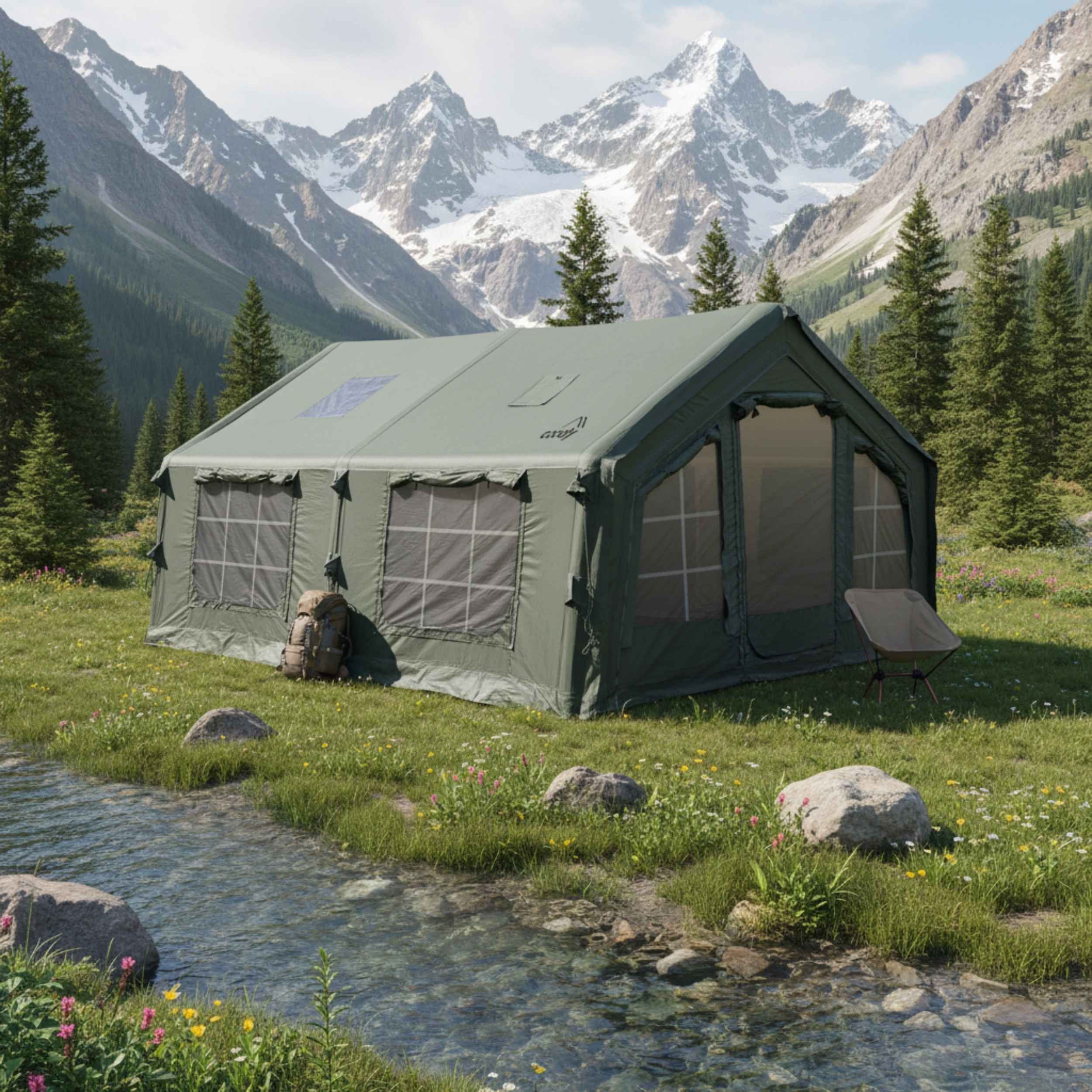
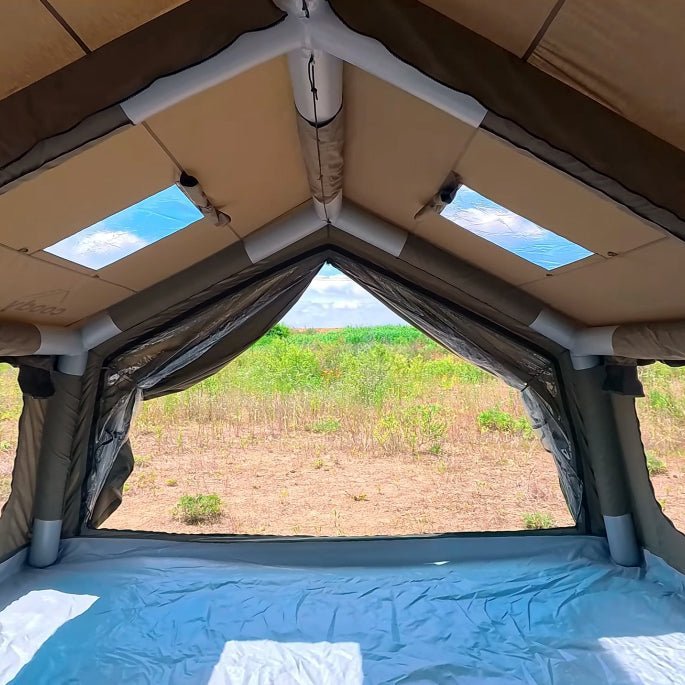
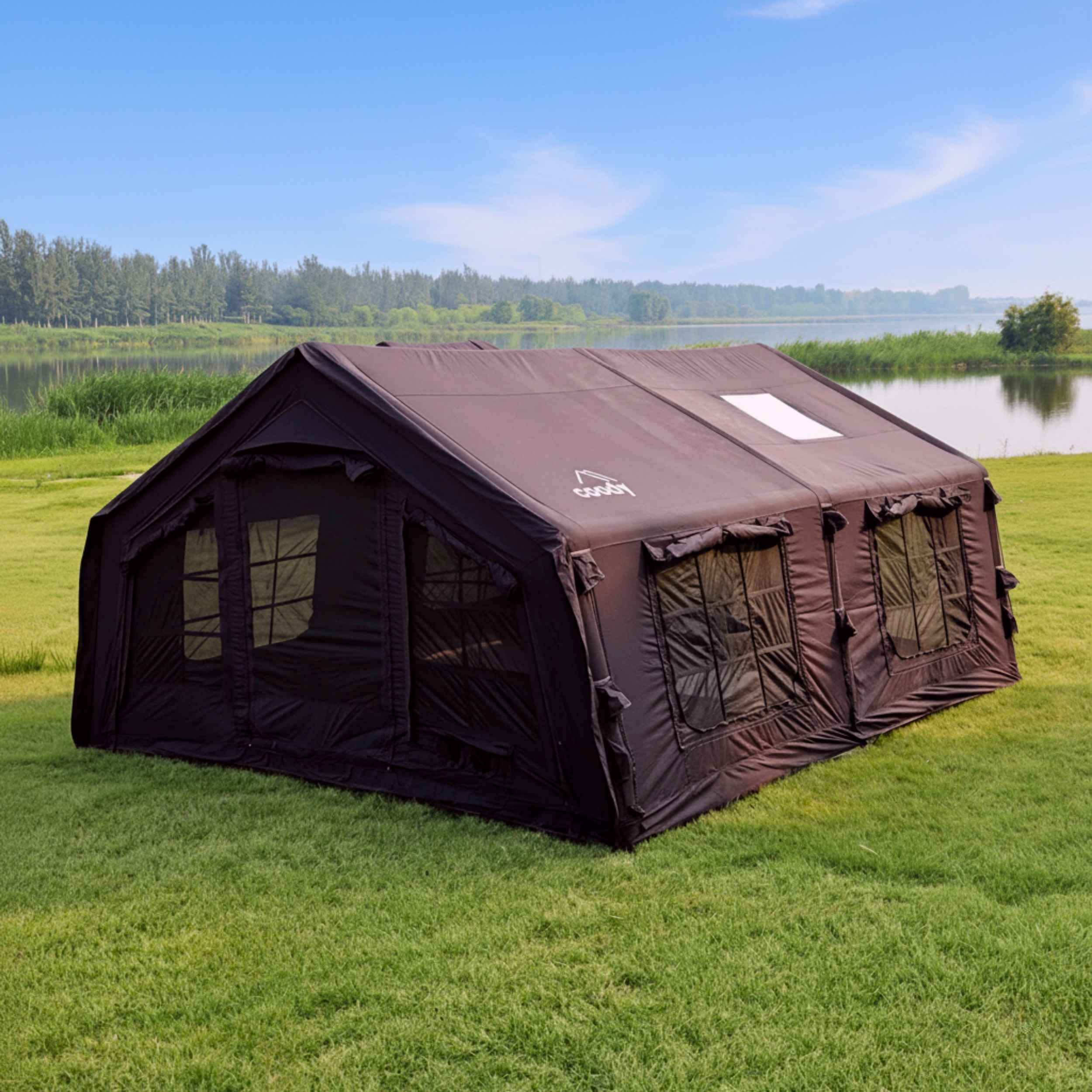
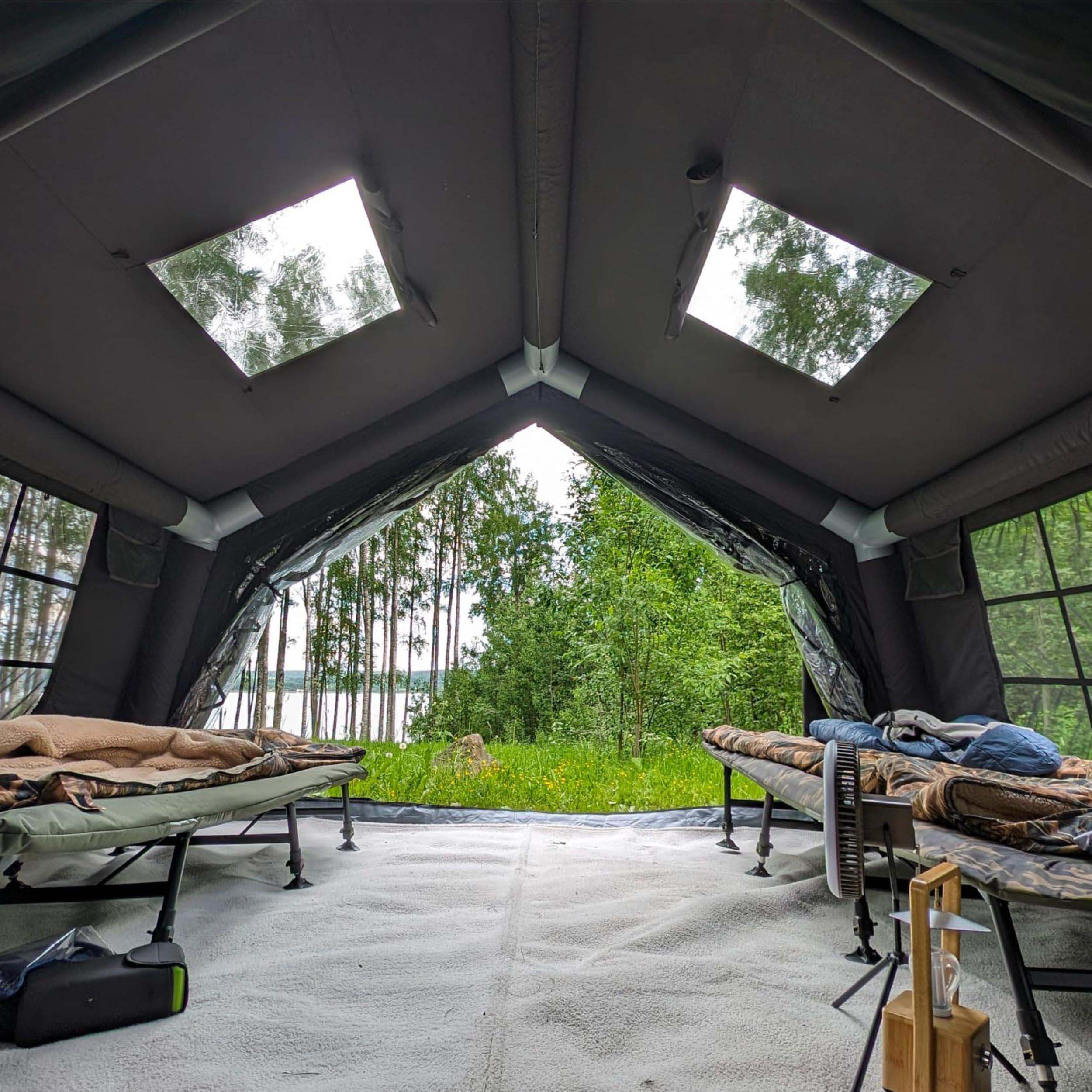
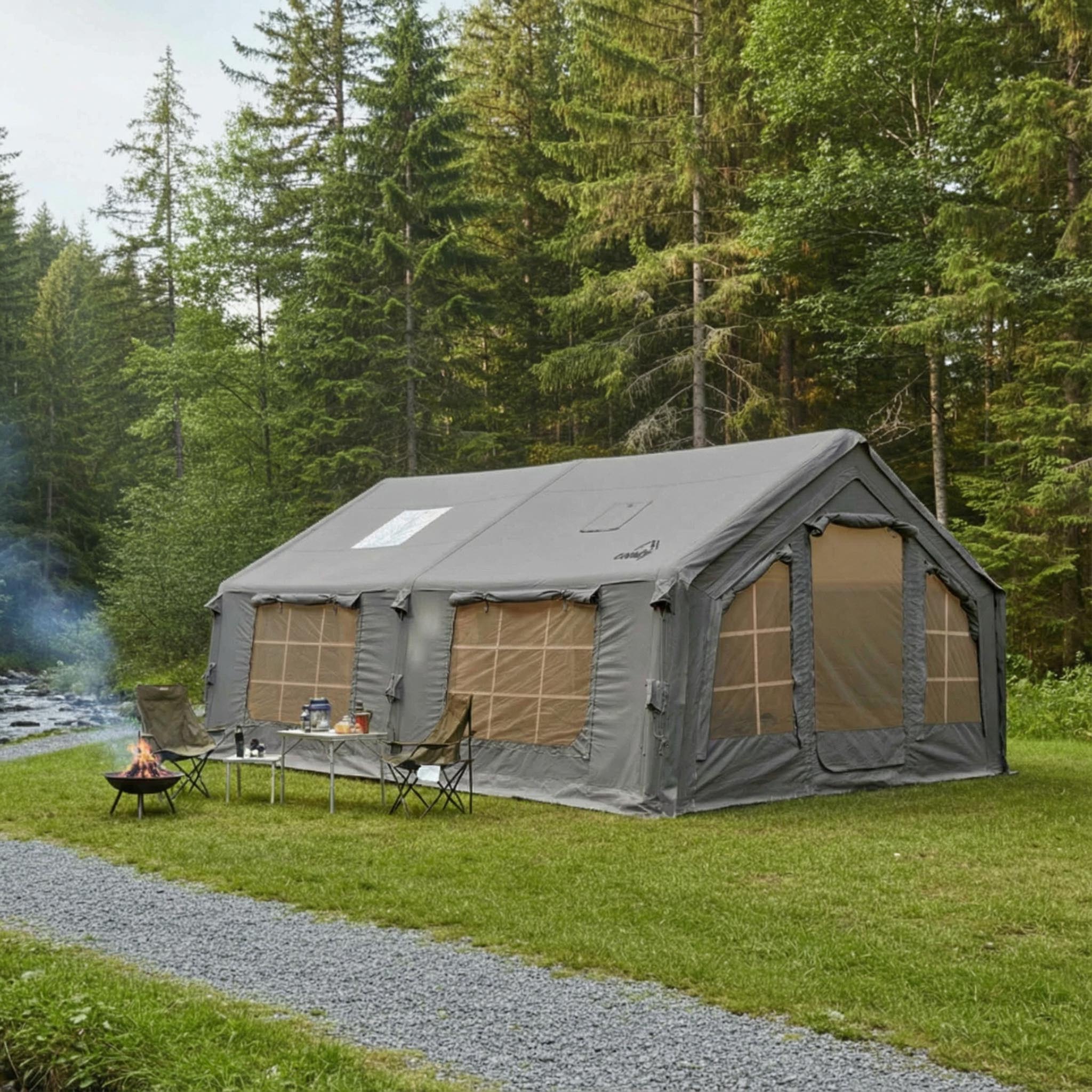
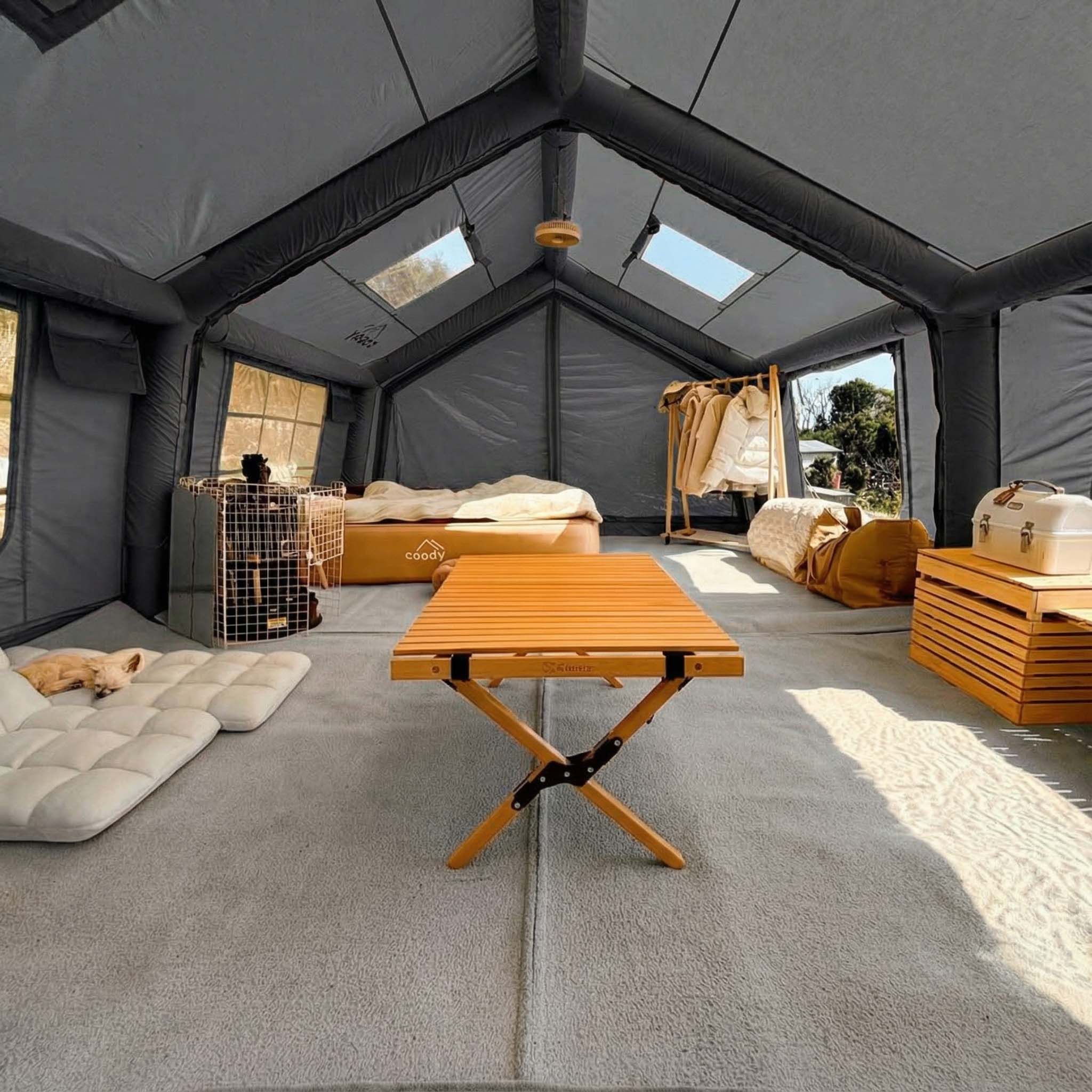
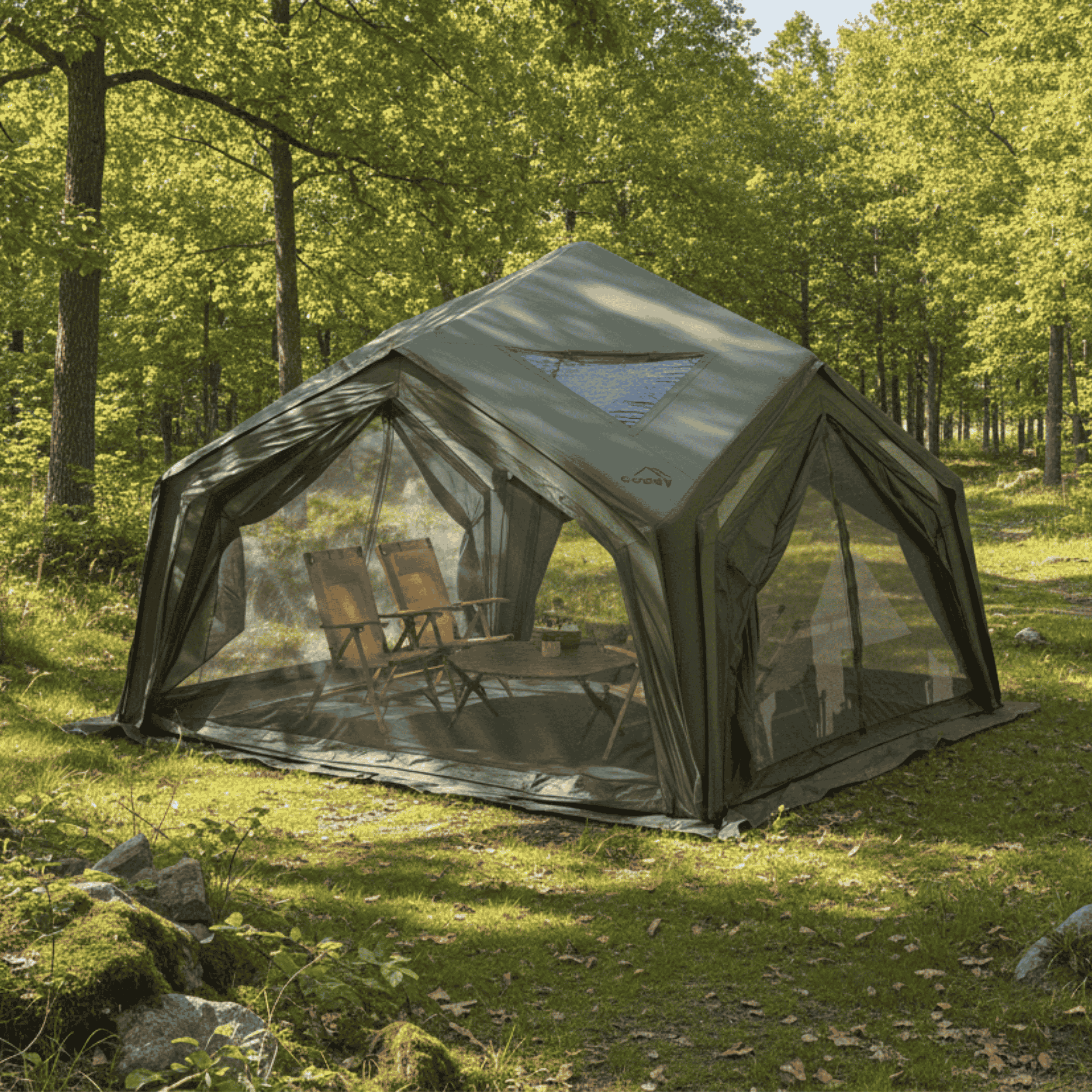
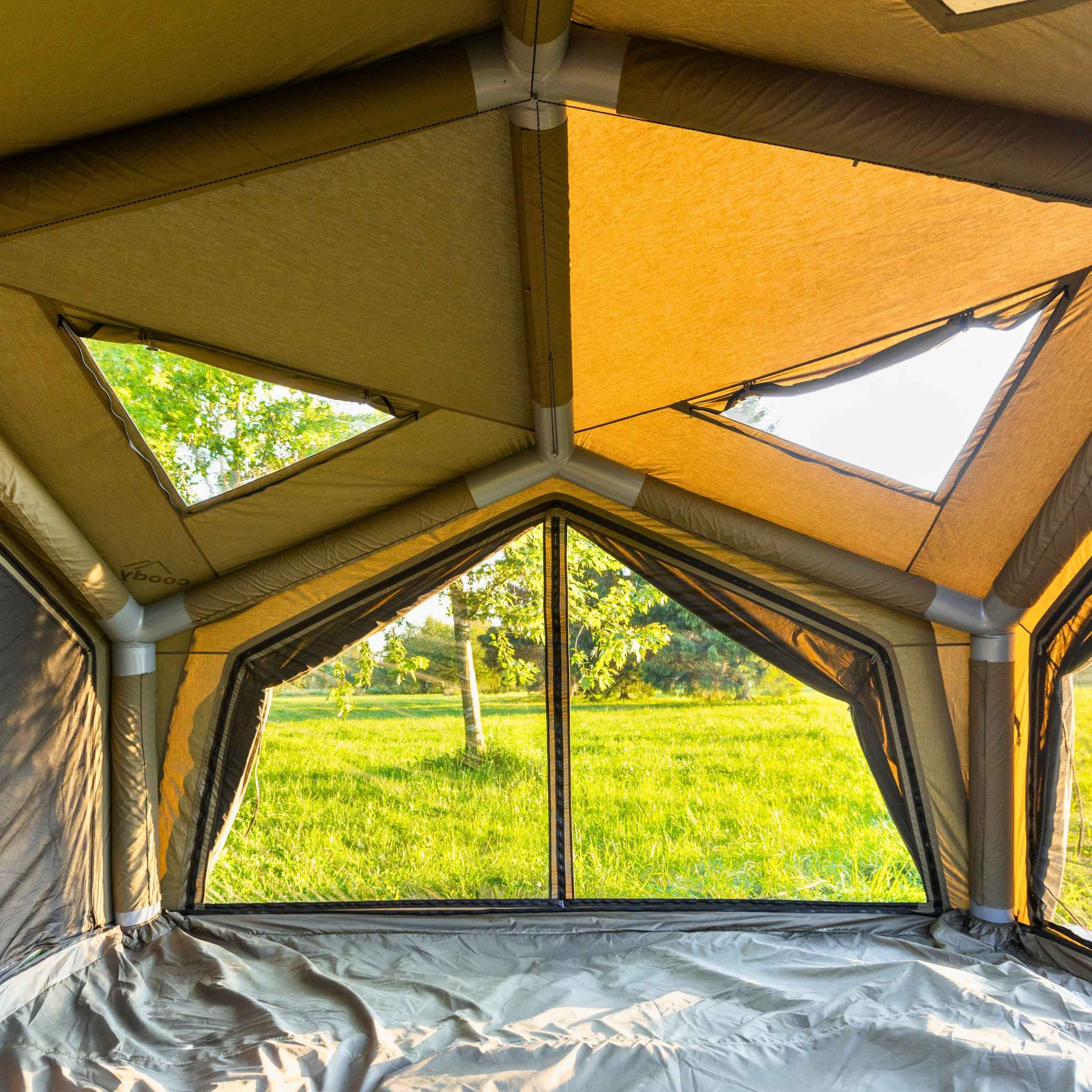
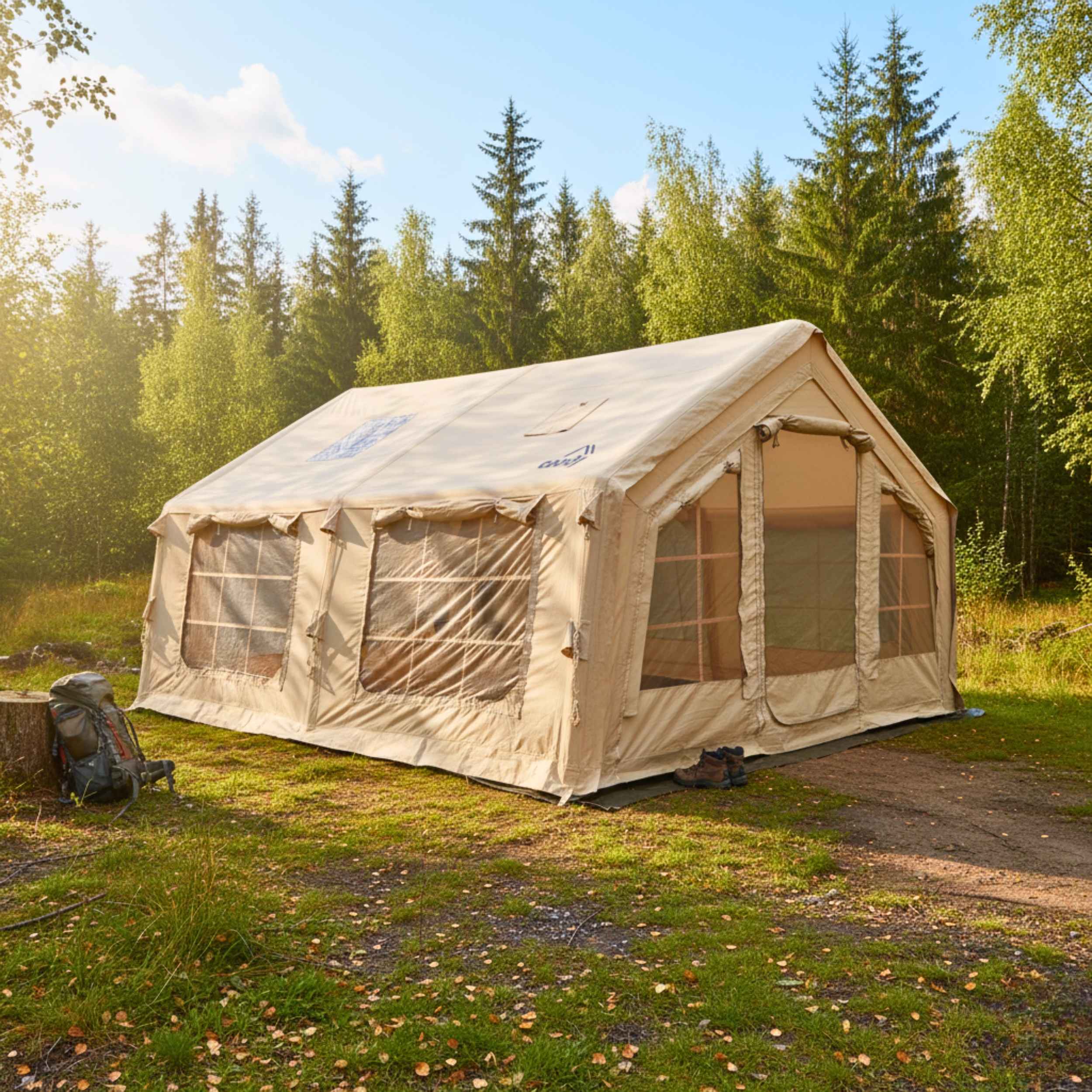
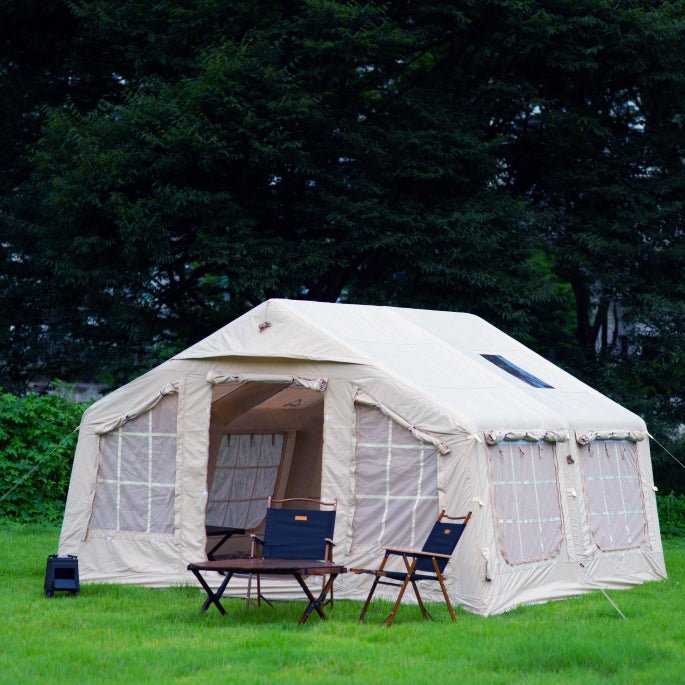
- Trucos para carpas inflables: Las bajas temperaturas hacen que disminuya la presión del aire, lo que puede provocar que las vigas de aire se comben. Infla bien las vigas antes de irte a dormir. Al empacar, no fuerces el PVC rígido y congelado dentro de una bolsa apretada; dóblalo sin apretarlo hasta que se caliente.
El camping de invierno puede ser una experiencia mágica, con paisajes cubiertos de nieve, aire fresco y esa maravillosa tranquilidad envolvente de la naturaleza. Pero también implica un desafío fundamental: mantenerse abrigado. Entender cómo aislar una carpa para el camping de invierno es esencial para tu comodidad, seguridad y, en general, para disfrutar cualquier viaje de camping en esas condiciones. Desglosemos todo lo que necesitas saber.

La importancia del aislamiento durante el camping de invierno
Aislar tu carpa durante el camping de invierno no es solo una cuestión de comodidad; puede ser una cuestión de supervivencia. Las temperaturas pueden bajar significativamente después del atardecer, y la exposición al frío puede provocar hipotermia o congelación. Una carpa bien aislada ayuda a retener el calor corporal, bloquear las corrientes de aire y crear una barrera térmica entre tú y el entorno helado del exterior. Incluso un esfuerzo modesto por mejorar el aislamiento puede aumentar considerablemente tu calor y seguridad.

Cómo elegir la carpa adecuada para el camping de invierno
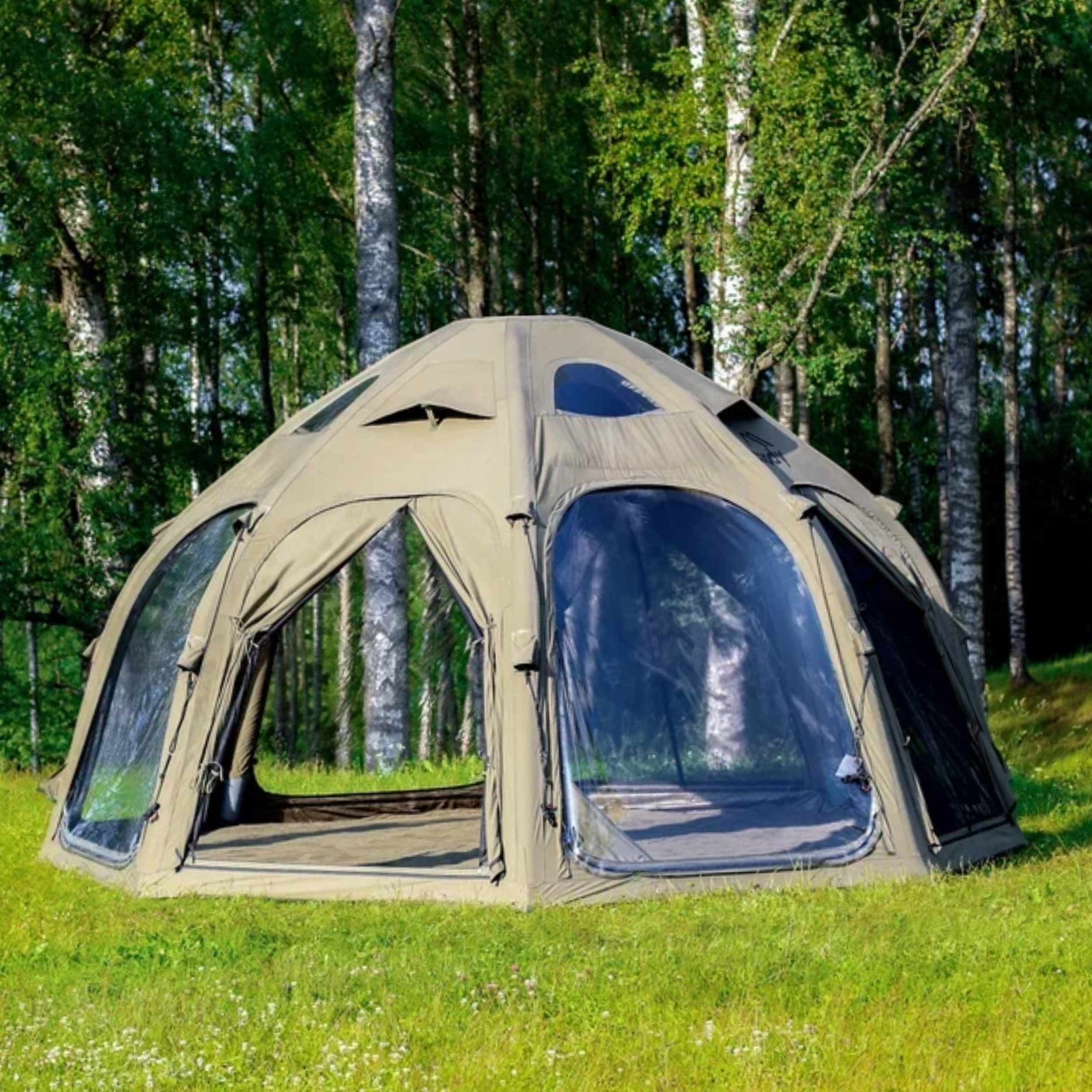
Antes de adentrarte en las técnicas de aislamiento, empieza por elegir la carpa adecuada. Las carpas de cuatro estaciones están diseñadas para el clima frío, a menudo con paredes más gruesas, menos malla y formas que permiten que la nieve se deslice fácilmente. Las carpas tipo Dome o geodésicas son especialmente buenas para soportar los fuertes vientos invernales.
Busca características como:
-
Laterales inclinados para evitar la acumulación de nieve
-
Malla mínima para retener mejor el calor
-
Varillas y anclajes resistentes
Si solo tienes una carpa de tres estaciones, no te preocupes. Aún puedes hacer que funcione con las estrategias de aislamiento adecuadas.
Cómo aislar una carpa para acampar en invierno
1. Elige un buen lugar para acampar
El lugar donde instalas la carpa es importante. Instálala en un sitio protegido, como detrás de una barrera natural contra el viento (árboles, rocas grandes o depresiones del terreno). Evita los fondos de los valles, donde suele acumularse el aire frío, y no la instales en crestas expuestas.
Consulta nuestros accesorios de camping y elige los mejores para tu campamento.
2. Usa una lona protectora para carpa y aislamiento del suelo
La pérdida de calor hacia el suelo es una de las principales causas del frío en una carpa. Siempre comienza con una capa base protectora.
Colchonetas de espuma
-
Las colchonetas de espuma de celdas cerradas son ligeras, económicas y ofrecen un excelente aislamiento.
-
Usa al menos dos capas para una mejor resistencia térmica.
Mantas de emergencia reflectantes
-
Coloca una manta reflectante debajo de tu área para dormir.
-
Refleja el calor de tu cuerpo hacia ti y reduce la pérdida de calor a través del suelo.
Colocar capas de materiales como espuma y barreras reflectantes ayuda a crear una separación entre tú y el suelo congelado.
Nota: Si tu carpa tiene un suelo de PVC integrado (común en algunos modelos), es posible que no necesites protección adicional contra la humedad. Aun así, los tapetes pueden mejorar el aislamiento y la comodidad.
3. Aísla las paredes y el techo de la carpa
Las paredes y los techos de las carpas estándar son delgados y tienen poco aislamiento. Agrega capas internas usando mantas térmicas o aislamiento reflectante (como Reflectix). Sujétalas a las paredes de la carpa con clips o Velcro.
Consejo profesional: deja un pequeño espacio de aire entre la tela de la carpa y el aislamiento para aumentar la barrera térmica.

4. Pasa la noche en la carpa sin perder demasiado calor
Para conservar el calor durante toda la noche:
-
Evita salir de la carpa con frecuencia.
-
Mantén la carpa cerrada con el cierre.
-
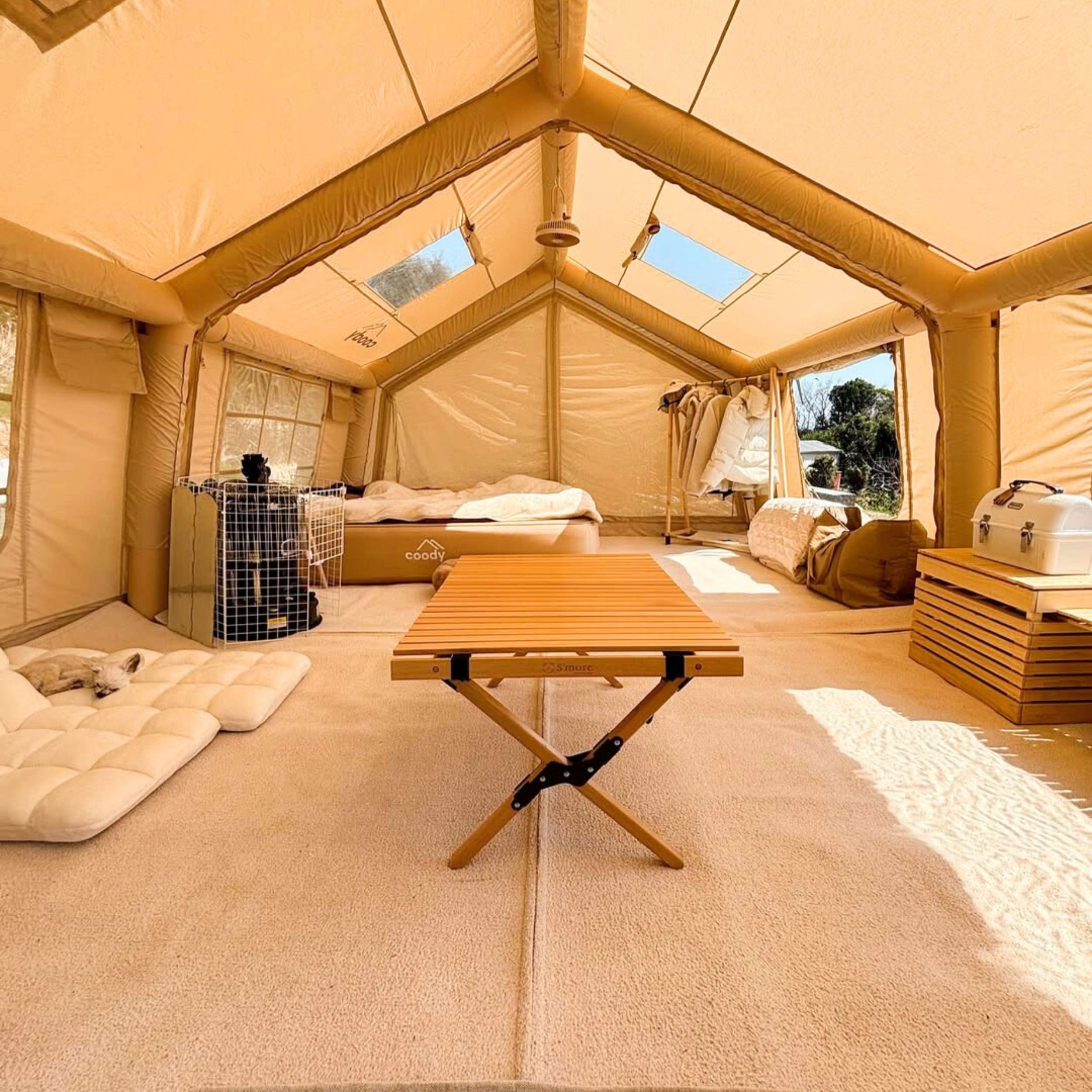
Usa tapetes o losetas de espuma dentro de la carpa para conservar el calor.
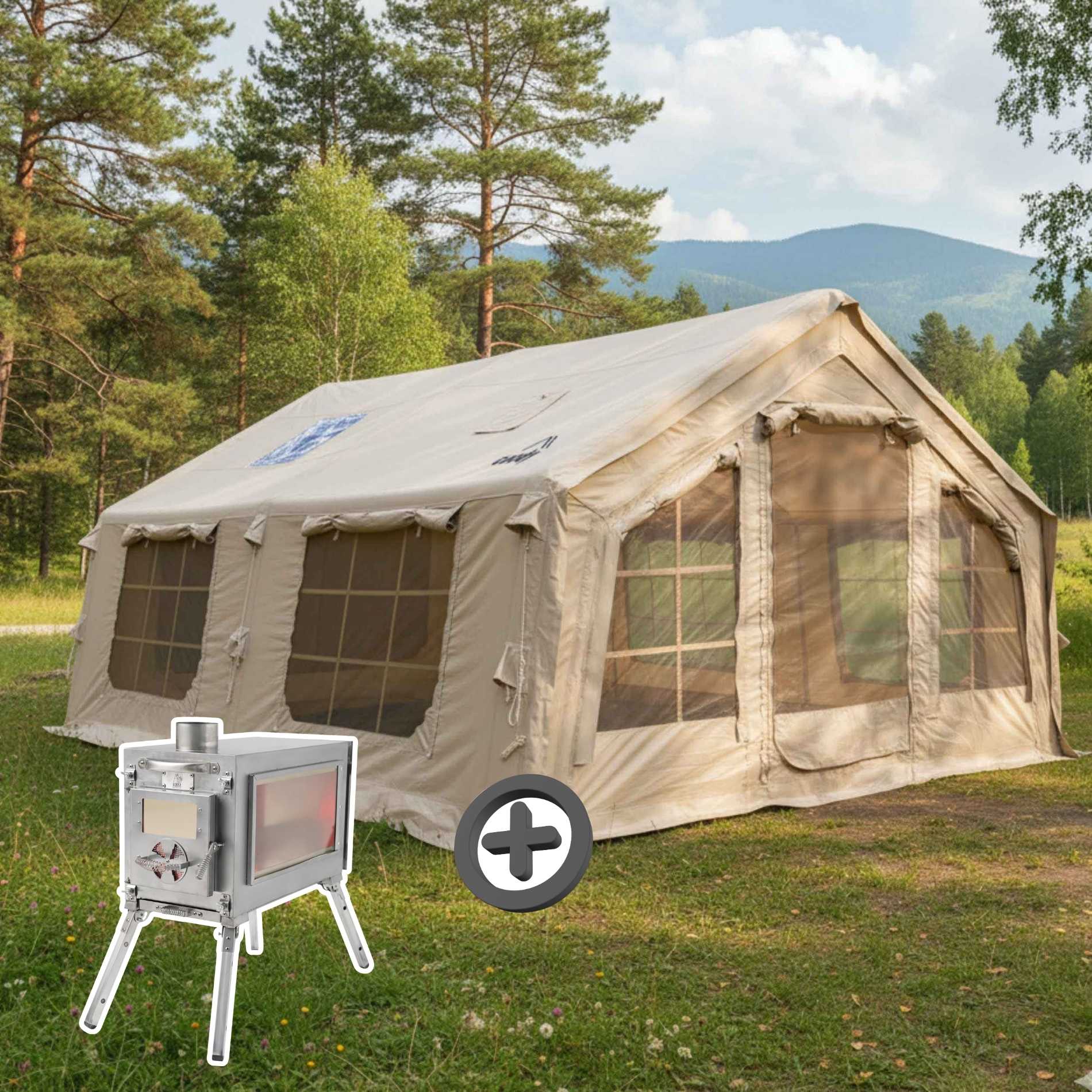
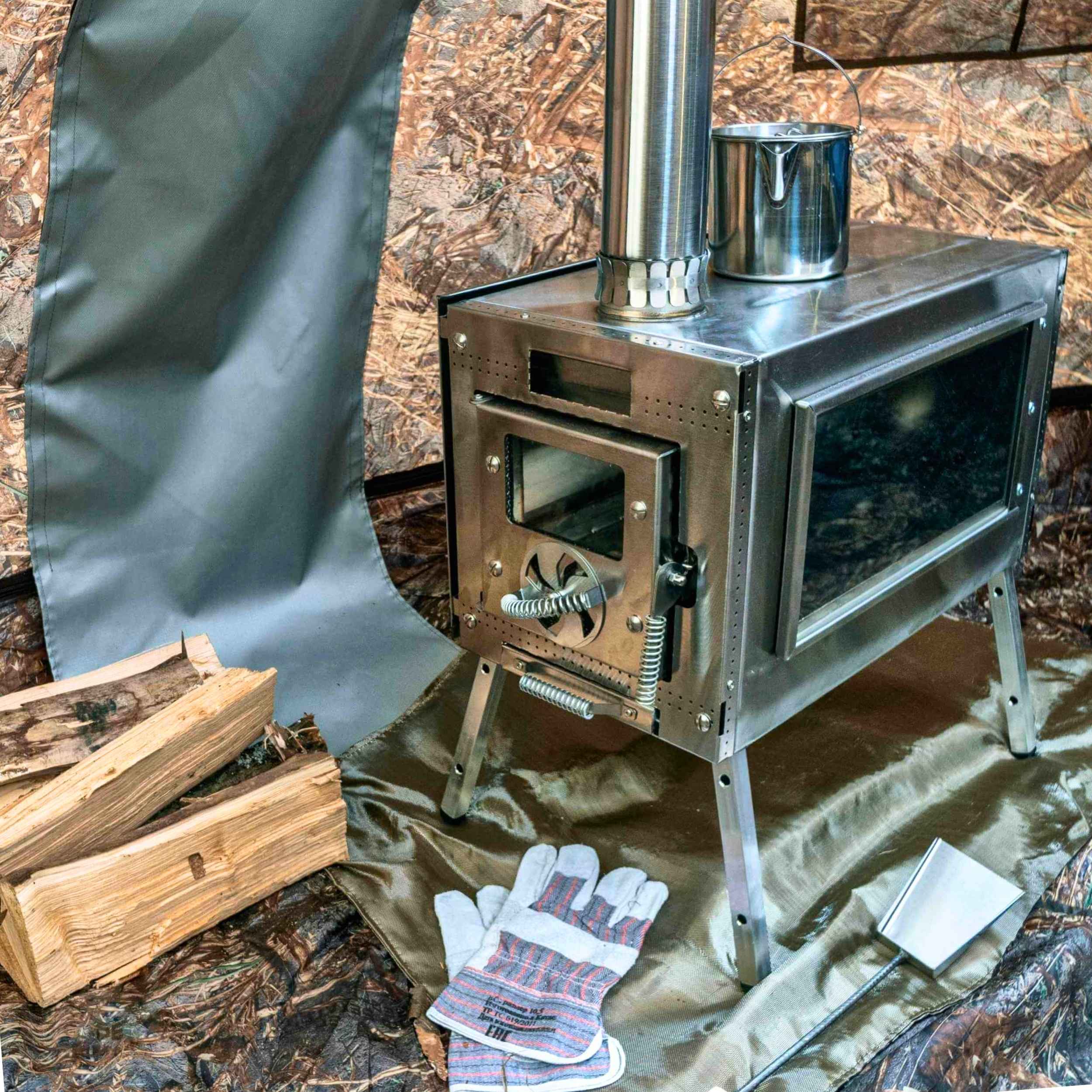
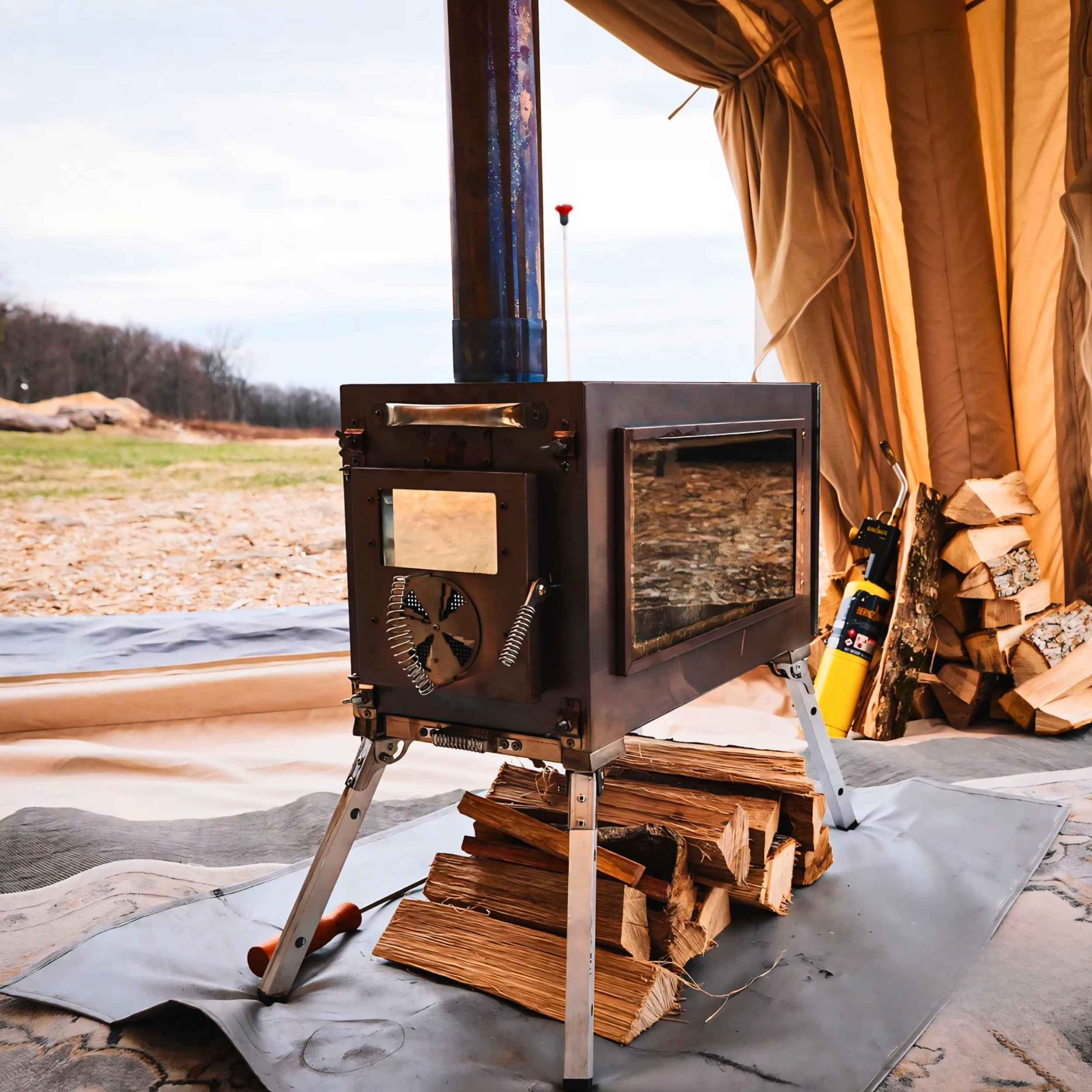
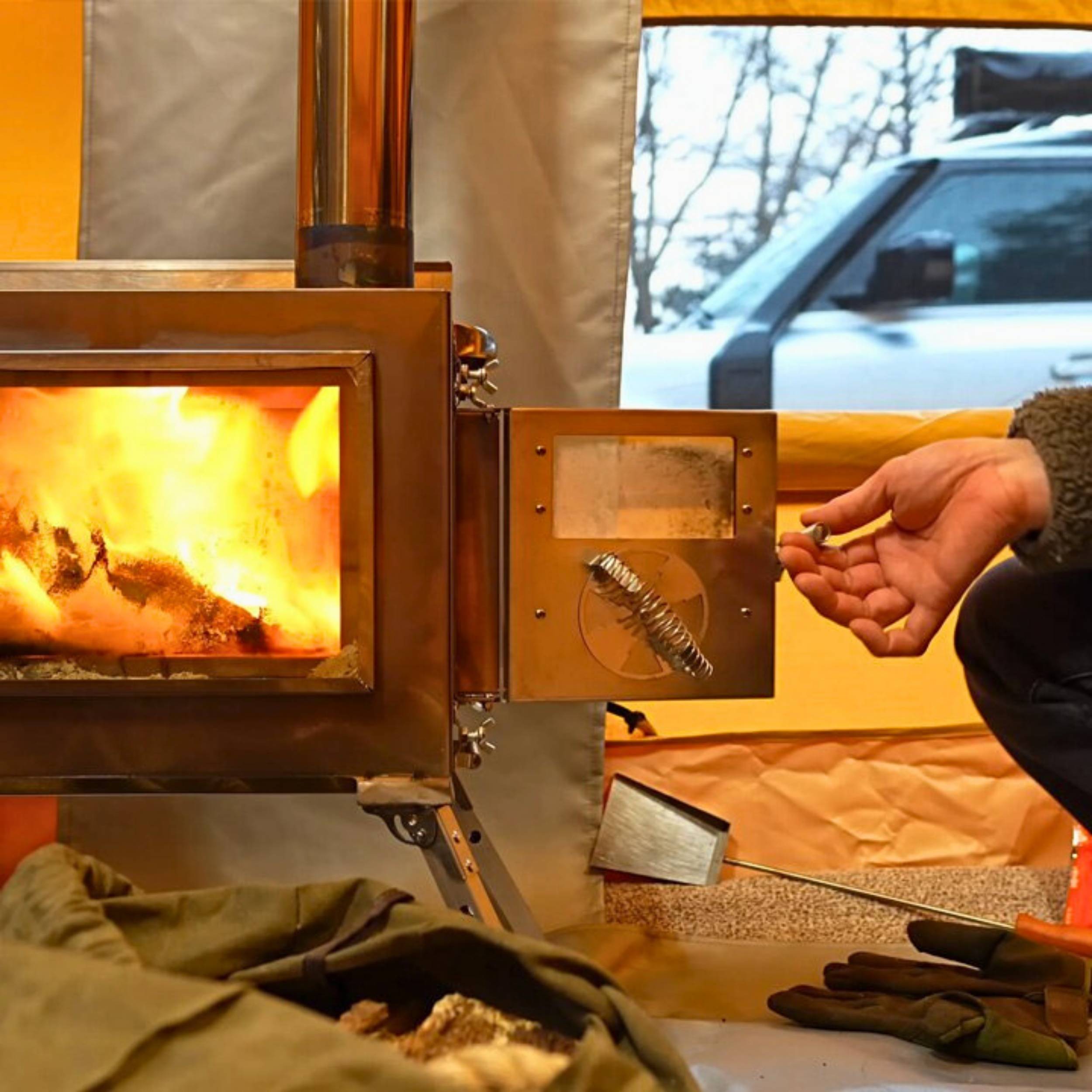
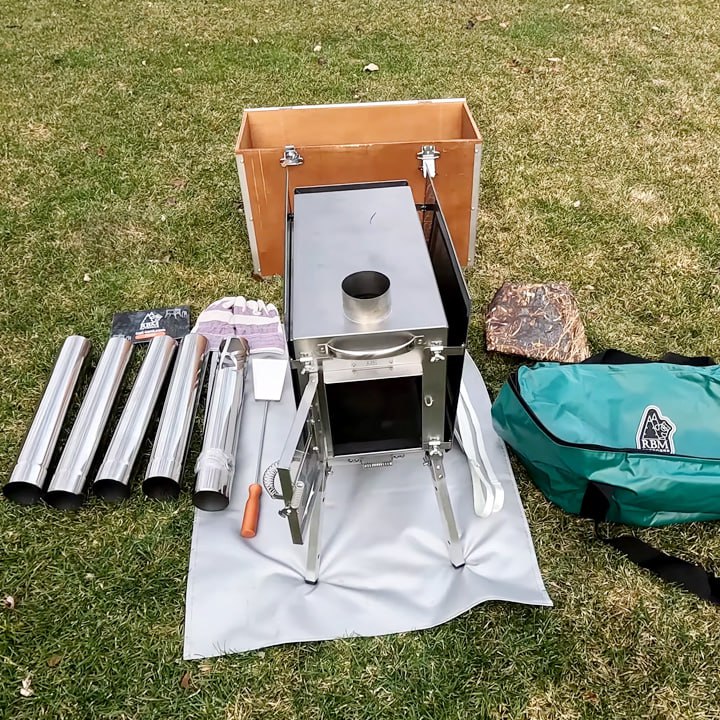
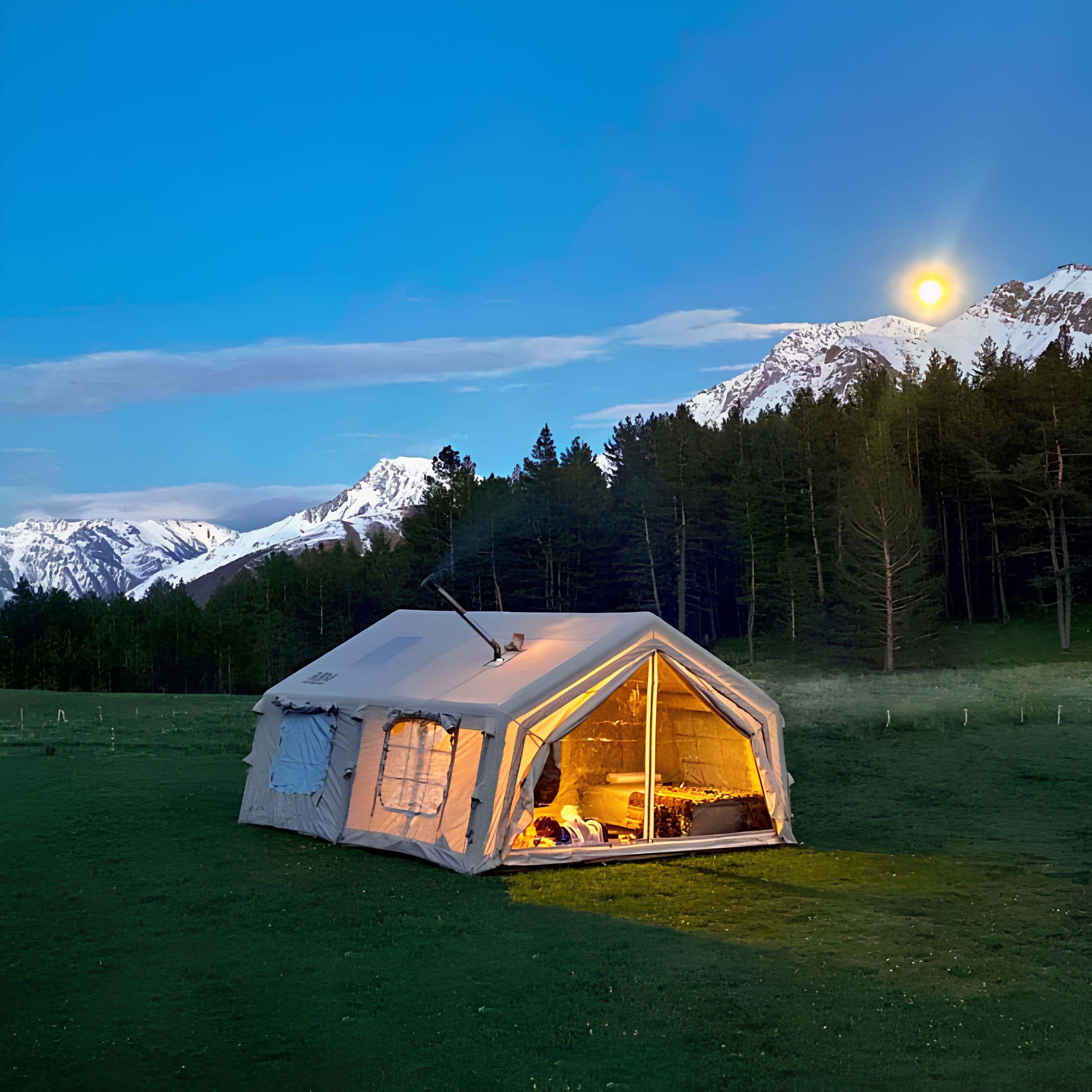
5. Aprende la forma aprobada de usar un calentador para carpa
Los calentadores portátiles pueden ser eficaces, pero requieren precaución.
-
Usa únicamente calentadores diseñados para interiores o para carpas.
-
Nunca dejes un calentador encendido mientras duermes.
-
Asegúrate de que haya suficiente ventilación para evitar la acumulación de monóxido de carbono.
6. Sella las aberturas de la carpa y reduce las corrientes de aire
El aire frío se filtra por pequeñas aberturas.
-
Usa cinta adhesiva o parches de tela para cubrir las zonas de malla o las aberturas.
-
Usa ropa adicional o toallas para bloquear las fugas de ventilación en la base.
7. Elige el equipo adecuado para dormir
Invierte en un saco de dormir para invierno y agrega capas para atrapar el calor.
-
Usa un forro para saco de dormir para obtener más calor.
-
Considera usar un saco bivy térmico sobre tu saco de dormir.
8. Usa ropa adecuada y accesorios térmicos
Usa varias capas de ropa, al igual que en tu carpa.
-
Capa base: tela que absorbe la humedad
-
Capa intermedia: de forro polar o lana
-
Capa exterior: resistente al viento y aislante
No olvides:
-
Calcetines térmicos
-
Guantes o manoplas
-
Un gorro tejido o térmico
9. Crea una fuente de calor dentro de la carpa
Además de los calentadores, considera fuentes de calor seguras:
-
Botellas de agua caliente (llenas con agua hirviendo y envueltas en un paño)
-
Paquetes térmicos para las manos y los pies
10. Mantén una ventilación normal para evitar la condensación
Aunque sellar la carpa ayuda a conservar el calor, cerrar por completo la ventilación provoca condensación. La humedad puede mojar tu equipo para dormir y hacerlo menos eficaz.
-
Usa las ventilas superiores o abre un poco una sección para permitir el flujo de aire.
-
Ventila especialmente si estás cocinando o respirando con intensidad dentro.
11. Supervisa la presión del aire en las carpas inflables
Cuando hace frío, la presión del aire en las varillas de la carpa inflable puede disminuir, lo que provoca que se combe o pierda su estructura.
-
Añade aire según sea necesario, especialmente antes de dormir.
-
Si tu carpa tiene válvulas internas, puedes ajustar la presión sin salir.
-
Asegúrate siempre de que las válvulas estén bien cerradas después del inflado.
Visita nuestras carpas y elige la mejor para tu campamento.
 Coody Aurora Dome
 Carpa Coody 17.2
 Carpa Coody 13.6
 Coody Hub Shelter
 Carpa Coody 10
 Carpa Coody 8.0
Consejos adicionales para mantenerte cálido
-
Usa un sistema de descanso en capas: aislante de espuma + colchón inflable + cobija aislante
-
Bebe algo caliente antes de acostarte
-
Haz ejercicio ligero antes de dormir para elevar la temperatura corporal central
-
Ten un refrigerio a la mano para aumentar las calorías a medianoche
-
Guarda tu ropa dentro del saco de dormir para calentarla por la mañana

¿Qué tan frío es demasiado frío para acampar en una carpa?
Cada persona tiene un umbral diferente. Para algunos, menos de 32 °F (0 °C) es demasiado frío sin equipo especializado. En general:
-
De 20 °F a 32 °F (frío moderado): Es posible con un aislamiento adecuado
-
De 0 °F a 20 °F (frío extremo): Se requiere equipo avanzado y experiencia
-
Menos de 0 °F: Solo para campistas experimentados en invierno y con protección completa
Escucha a tu cuerpo, revisa siempre los pronósticos del clima y no corras riesgos innecesarios.
Cómo empacar una carpa en clima frío
Los materiales de PVC pueden volverse rígidos y difíciles de doblar en condiciones de congelación. Si tu carpa incluye piso de PVC o vigas inflables:
-
No la fuerces dentro de la bolsa de almacenamiento si no entra fácilmente.
-
Empácala sin apretar y vuelve a empacarla cuando las temperaturas estén por encima del punto de congelación.
-
Asegúrate siempre de que la carpa esté completamente seca antes de guardarla para evitar el moho o daños en la tela.
Conclusión
Aprender a aislar una carpa para acampar en invierno implica usar capas, planificar y elegir el equipo adecuado. Con la configuración correcta, incluso las condiciones de congelación pueden sentirse acogedoras. Ya sea que vayas a disfrutar de una escapada nevada de fin de semana o emprendas una expedición más larga, estas estrategias te ayudarán a mantenerte cálido, seguro y cómodo.
Publicaciones relacionadas
-
Las mejores carpas para cuatro estaciones en condiciones extremas
-
Cómo mantenerte seguro al usar un calentador de carpa
-
10 accesorios imprescindibles para acampar en invierno
-
Qué usar para dormir cuando hace frío
- Los mejores sacos de dormir para acampar bajo cero